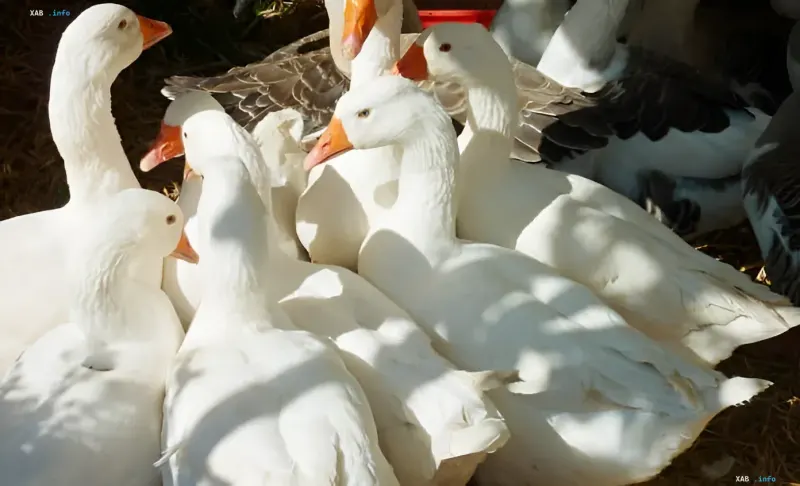
A new dispute has erupted between Warsaw and Berlin, which, at first glance, seems quirky but in reality touches on serious economic interests. The subject of the disagreement is a subspecies of domestic birds — the Polish oat goose. Poland has initiated the procedure to grant it Protected Geographical Indication (PGI) status under European Union rules, but Germany has filed an official objection.
Economic reasons for the conflict
The essence of Berlin's claims is that this subspecies of geese and the specifics of their breeding are not an exclusive feature of Poland. However, experts in the Polish industry see this not so much as a scientific discussion as an economic motivation. In their opinion, Germany fears increased competition from Polish producers who will receive the monopoly right to use the brand.
Statistics confirm the significance of this issue: Germany is the largest importer of Polish goose meat, taking about two-thirds of all exports to its market. Obtaining PGI status could significantly strengthen the position of the Polish product in this market, which is causing concern among German partners.
Characteristics of the 'oat goose'
The Polish oat goose is not just a bird, but the result of traditional breeding. It is fed mainly with greens and oats, which forms a unique meat profile. It is characterized by low fat content and high protein concentration, making it attractive to consumers who pay attention to the quality of their diet.
Diplomatic procedure and deadlines
The European Commission confirmed that in early July, Germany's written arguments were submitted to the Polish side. Currently, the documents are under review, and the parties are negotiating the date for bilateral consultations. Warsaw and Berlin have three months to reach a compromise; if necessary, this period can be extended by another three months.
History of disputes over geographical names
The situation with geese is not unique in the history of the EU. Geographical names often become a cause of tension between partner countries. A striking example is the long-standing dispute between Italy and Slovenia over the rights to Modena balsamic vinegar.
At the same time, the register of protected names continues to grow. Last year, Latvian bread and British wine were added to the list. Previously, Bulgarian sirene brine cheese and Norwegian vodka were included. Now it is the turn of the Polish goose, and the outcome of this case will show how flexible European bureaucracy can be in matters of protecting national brands.