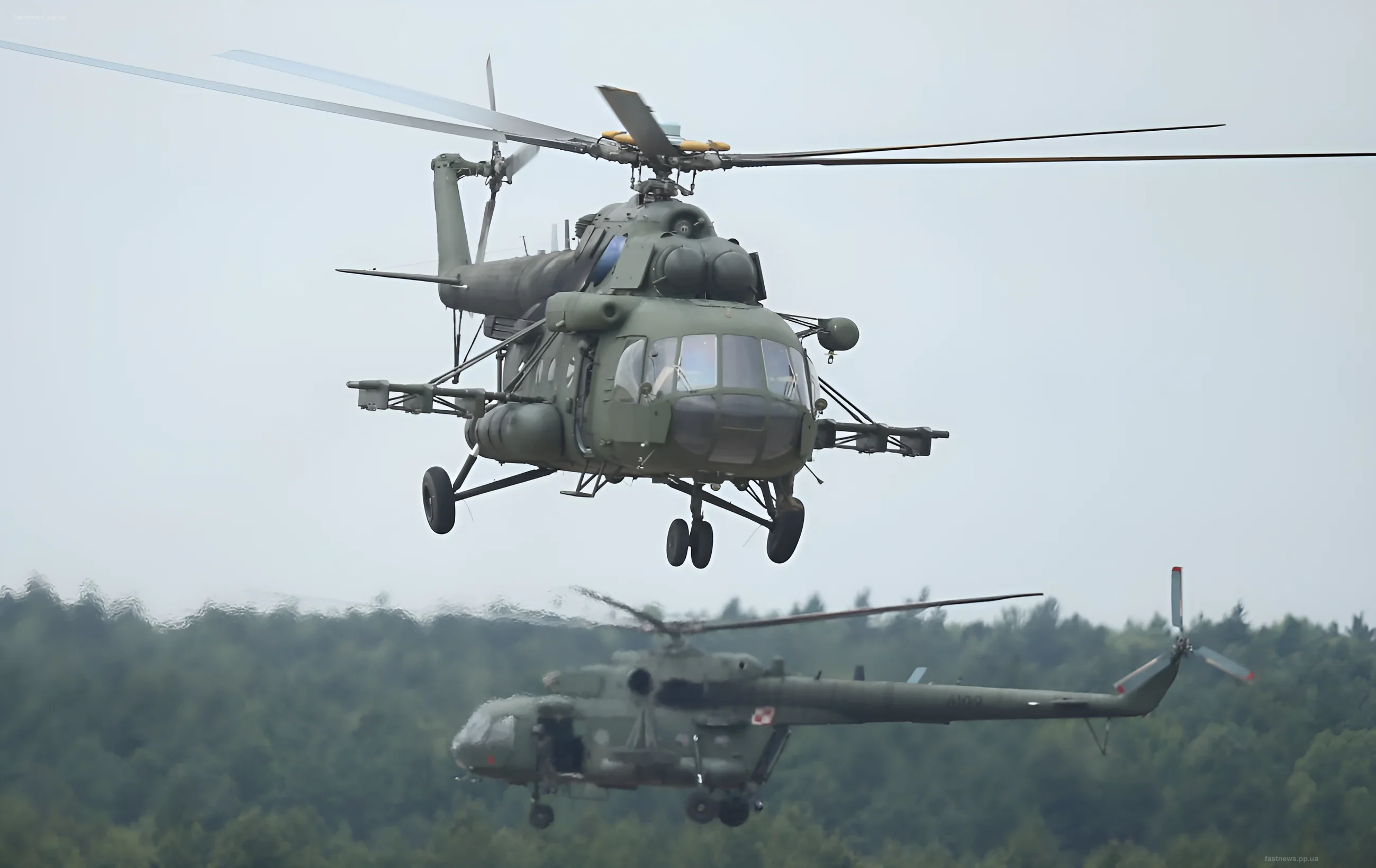
The Baltic Sea, historically an arena for geopolitical maneuvers, is once again the center of attention. This time, the focus has shifted to the Swedish island of Gotland, where large-scale NATO exercises have just concluded. This marks the first major maneuver by the Alliance on Swedish territory following its accession to the organization in 2024. The scenario was extremely harsh: repelling a sudden invasion by Russian forces.
"Unsinkable Aircraft Carrier" in the Crosshairs
Approximately 18,000 military personnel from 13 countries spent weeks on the dusty plains of Gotland, practicing coordination under conditions simulating real combat. The strategic significance of the island is hard to overstate: it is located just 300 kilometers from Kaliningrad. Military experts refer to it as an "unsinkable aircraft carrier" — from its airfields, fighter jets can reach the capitals of the Baltic states in minutes.
The exercises modeled a complex threat: a covert landing of troops from a civilian vessel, the mass use of drones, and radio jamming. Swedish Chief of Defence Michael Klasson, observing the maneuvers, did not hide his concern: "A Russian attack could happen at any moment."
Control Over the Baltic
Niclas Granholm, Deputy Director of the Swedish Defence Research Agency, clearly outlined the stakes: control over Gotland effectively means dominance over a significant part of the Baltic Sea. NATO fears that in the event of the island's capture, Russia would deploy powerful air defense systems there, which would paralyze allied logistics and block access to ports.
At the same time, keeping the island under Alliance control opens up strategic opportunities. According to Politico, this would allow Moscow to be cut off from the Baltic, use long-range missiles to protect the region, and strike deep into Russian territory.
Stress Test and the Ukrainian Lesson
One of the main challenges was not so much the "hypothetical" Russian invasion, but the internal dynamics of the Alliance. Amid uncertainty surrounding US foreign policy and the potential presidency of Donald Trump, US participation in the exercises was reduced. Nevertheless, the multinational nature of the maneuvers was preserved: on the battlefield, Canadians, Danes, Finnish F-18 fighters, British snipers, and Dutch Apache helicopters operated together.
Particular interest was aroused by the demonstration of capabilities by Ukrainian military personnel. Using tactics honed in real warfare, Ukrainian drone operators "destroyed" a Swedish armored unit in a few minutes. This served as a vivid lesson for allies: modern drones are capable of changing the rules of the game even against elite armies.
New Defense Architecture
Sweden's accession to NATO required a review of defense plans for the entire Baltic region. In European capitals, there is growing concern that Vladimir Putin may attempt to expand the conflict beyond Ukraine. Reuters reports that the Alliance is already preparing war scenarios on the territory of the Baltic states.
To strengthen the eastern flank, a new military structure is being created to allow for the rapid deployment of forces to Latvia and Estonia. In Latvia, "dragon's teeth" and anti-tank ditches are already being constructed along the border with Russia. In this coordinate system, Gotland becomes a key node upon which the security of all of Northern Europe depends.


