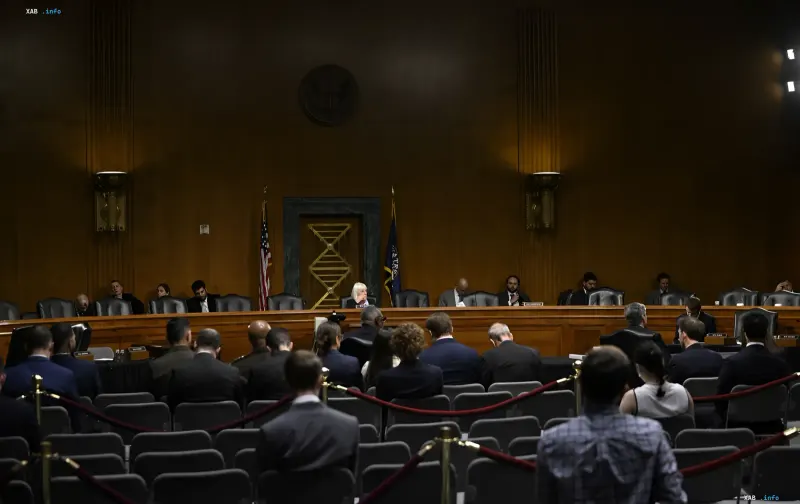
An unexpected struggle has unfolded in the U.S. Senate that could derail the passage of one of the toughest sanctions packages against Russia in recent history. The bill, named after the late Republican Senator Lindsey Graham, garnered massive support — over 80 senators voted "yes," with only 12 voting "no." However, despite a convincing bipartisan majority, the document has not yet become law. The culprit is a controversial clause concerning President Donald Trump's powers in the realm of tariffs.
Tariffs as a Weapon: Why Democrats Are Opposed
The core of the conflict lies in the proposal to grant the head of state the authority to impose high duties on countries purchasing Russian oil and gas. For Democrats, this looks like a dangerous precedent. Senator Elizabeth Warren stated outright that such powers allow Trump to "play a game of 'up and down,' punishing friends and rewarding enemies." According to lawmakers from the Democratic Party, this tool is ill-suited for real pressure on Vladimir Putin but could be used for domestic politics.
The only Republican to support the criticism of the tariffs was Senator Rand Paul. He called this provision a "vote to raise taxes by $500 billion," which causes serious concern among fiscal conservatives.
Attempts at Compromise and Resistance
To address some of the objections, the bill's authors made concessions: they narrowed the tariff provisions, providing exemptions for countries whose share of Russian gas purchases is less than 15% of Russia's total exports. This was intended to protect European allies from being hit. However, even this did not fully remove the resistance. Rand Paul, together with Democrat Ron Wyden, prepared an amendment intended to remove the tariff provision entirely.
Resistance is also observed in the House of Representatives. Top Democrats from relevant committees are criticizing the Senate version, calling it "massive hidden powers for Trump" rather than a real sanctions law. House Democratic Leader Gregory Meeks noted that in its current form, the sanctions remain entirely at the discretion of the president, who has repeatedly hinted that he is more likely to lift restrictions against Russia than to impose new ones.
"Don't Let the Perfect Be the Enemy of the Good"
Despite the caveats, some Democrats continue to support the document, understanding its strategic importance. Senator Chris Murphy acknowledged his concerns but emphasized: "When it comes to protecting Ukraine, I am not ready to let the perfect be the enemy of the good." Minority Leader Chuck Schumer warned that the abuse of these tools would only make both Trump and the country look weak, but added that the overwhelming majority of Americans want to see Russia defeated and Ukraine victorious.
Zelenskyy's Role and Timing of Passage
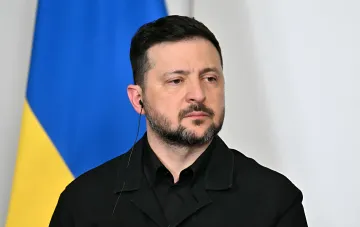
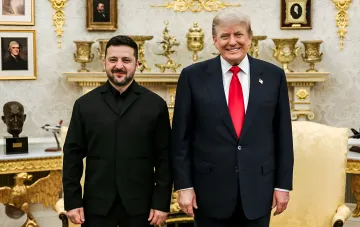
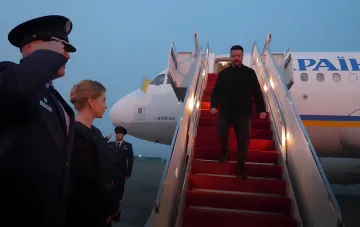
The initiative received a strong boost during the visit to the U.S. by Ukrainian President Volodymyr Zelenskyy. He met with more than 60 senators, noting that the document is not only a tool of pressure on the Kremlin but also an important signal for European partners. According to media reports, it was Zelenskyy, together with Finnish President Alexander Stubb, who convinced American lawmakers to support the initiative for these "hellish sanctions."
Senate leaders are currently working on a compromise that would allow the law to be passed later this week — before the chamber's monthly recess. Experts estimate that the American package of restrictions could prove more painful than the European ones, and a new, tough U.S. sanctions package is expected to be adopted as early as September 2026.