A serious diplomatic conflict has erupted in Brussels, threatening the adoption of a new, 21st package of sanctions against Russia. Greece emerged as the initiator of the breakdown in agreements, categorically refusing to support the proposed restrictions related to the transportation of Russian liquefied natural gas (LNG).
Threat to Dynagas Business
The key factor forcing Athens to take a hard line was the interests of one of Greece's largest shipping companies — Dynagas. During a closed meeting of EU ambassadors, the Greek representative stated that the proposed ban on transporting Russian LNG to third countries would effectively destroy the company's business.
Dynagas belongs to Greek shipping magnate Georgios Procopiou. Its fleet includes 27 gas carriers, a significant portion of which are specialized Arc7-class icebreaking tankers. These vessels are unique: they were developed specifically for operations in the harsh conditions of the Arctic and are critically important for servicing the Russian 'Yamal LNG' project.
Economic Losses and Impossibility of Redeployment
According to the Financial Times, since the beginning of 2025, Dynagas vessels have transported more than 10 million tons of Russian liquefied gas, completing 144 voyages. The Greek side argues that reorienting specialized Arc7 vessels to other routes is practically impossible.
In the event of sanctions being introduced, the company may be forced to sell these assets to buyers outside the West. The market value of such a tanker is estimated at approximately $300 million. The loss of such a fleet would be a colossal blow to the Greek economy.
Breakdown of Consensus and Delayed Decisions
Greece's objection has already led to the adoption of the 21st sanctions package being delayed by at least a week. For any measures to be approved in the EU, a unanimous vote from all member states is required, and a single country can block a decision.
As a result of the lack of agreement, EU countries were forced to temporarily extend the current price cap on Russian oil at the level of $44.10 per barrel. European officials call this a time gained to continue negotiations and assess the consequences of new restrictions.
Political Confrontation
Despite Athens' economic arguments, diplomats from other EU countries insist on the need to increase pressure on Moscow. They note that all member states will incur certain economic losses but consider these measures justified in the current geopolitical situation.
The 21st sanctions package, in addition to gas issues, provides for restrictions on additional Russian banks, cryptocurrency networks, and defense industry enterprises, as well as a new mechanism for controlling oil prices.
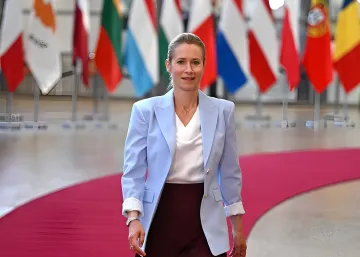
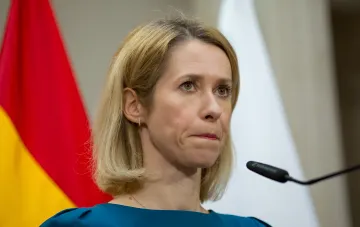
EU High Representative Kaja Kallas expressed regret over the lack of agreement. She stated that Brussels is ready to consider alternative courses of action if a consensus on the full package cannot be reached. On July 15, EU ambassadors were already unable to agree on the text of the document, and the parties are currently continuing to seek a compromise.