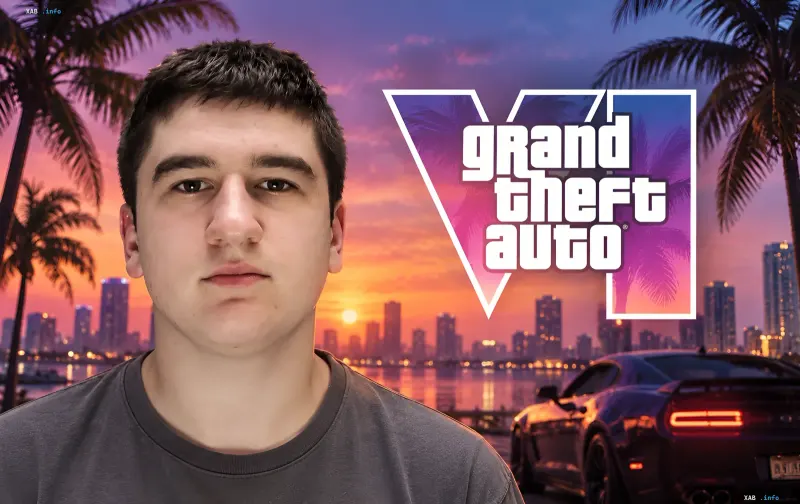
21-year-old Oxford resident Arion Kurtaj, known in the cybercriminal underworld as a member of the Lapsus group, was sentenced to seven years in prison for a series of cyberattacks, but was released on a hospital order the same day. The judge credited him for time already served in custody and psychiatric care. Previously, due to a severe form of autism spectrum disorder, he was sentenced to an indefinite stay in a secure psychiatric facility. Only in January of this year did doctors and the court find him fit to stand trial, after which he was moved to a standard prison, and last week he pleaded guilty to cyberattacks committed at the ages of 16 and 17.
Attack from police custody
The most high-profile episode occurred in 2022, while Kurtaj was on bail and under police protection at a Travelodge hotel in Bicester. He was being hidden from rival hackers who were threatening the teenager over stolen Bitcoin. Despite the fact that police had confiscated his computer, he still managed to carry out an attack on the Rockstar Games infrastructure, stealing internal company data, including 90 video clips totaling nearly 60 minutes of gameplay from the then-unreleased GTA 6.
Blackmail via Slack and Telegram
After obtaining the materials, the hacker breached the studio's corporate Slack and threatened to publish the game's source code if Rockstar did not contact him via Telegram within 24 hours. The company refused to pay the ransom, after which Kurtaj posted the footage and code on a forum under the alias TeaPotUberHacker. According to Rockstar Games, the recovery after the attack cost the firm $5 million and thousands of man-hours. The leak also prematurely revealed a major marketing secret — that one of the game's key characters would be a woman.
Victims beyond Rockstar
Besides the GTA 6 developers, Kurtaj and his accomplices targeted companies such as Uber, Revolut, and BT/EE. To gain access to their systems, the criminals used social engineering, tricking employees into clicking malicious links or handing over confidential data. As a result, the court sentenced Kurtaj to a seven-year term, as well as a five-year Serious Crime Prevention Order, imposing a number of restrictions on him.
A "very talented young man"
During the sentencing, the judge called the defendant a "very talented young man" and warned him "not to repeat anything like this." The defense explained his actions by stating that due to his autism spectrum disorder and isolation during the pandemic, he "felt more comfortable in the online world, where he fell under the influence of cybercriminals." Kurtaj also pleaded guilty to assaulting staff while in custody, including several biting incidents. While in prison, he was caught with a mobile phone after sending mocking messages to police and posting a selfie from his cell on Snapchat.