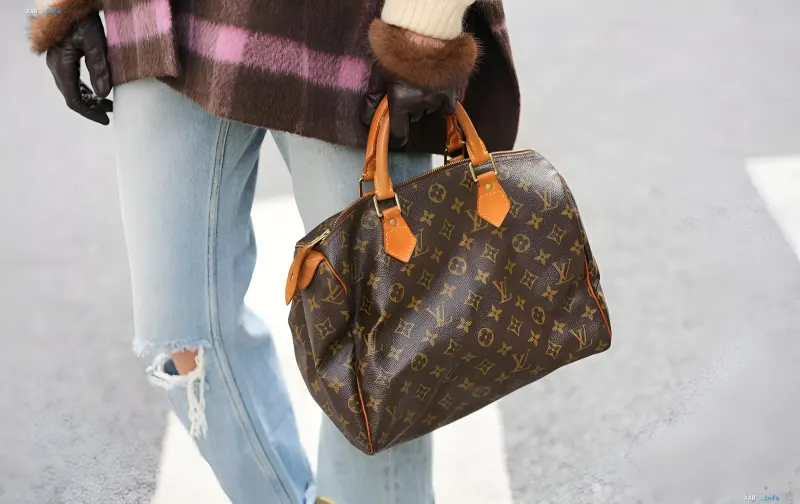
The luxury goods market is experiencing a prolonged downturn, and two major players—Gucci and Louis Vuitton—have chosen fundamentally different strategies to regain consumer interest. Gucci, owned by the Kering group, has started targeted price cuts on a portion of its collection, while Louis Vuitton, the flagship brand of LVMH, is currently holding its prices and focusing on refreshing iconic models. This was reported by Wave RBC.UA, citing The Wall Street Journal and Vogue Business.
Gucci Cuts Prices on Part of Its Collection
According to The Wall Street Journal, Gucci's sales declined for 13 consecutive quarters, and in the third quarter of 2026, the brand's revenue reached 1.29 billion euros, down 6% year-on-year on a comparable basis according to Kering. Against this backdrop, in France, the small Padlock Crystal bag embellished with crystals, which cost 3,500 euros in July, dropped in price to 2,450 euros—a reduction of approximately 30%. Vogue Business cites another example: the medium-sized Mercato leather bag cost 2,900 dollars at the beginning of the year, and in May, according to Bernstein analysts, its price was reduced by about 20–25%.
Kering Chief Financial Officer Armelle Poulou clarified on an October analyst call that prices were lowered 'on a very limited number of items'—referring to products from previous seasons that customers bought alongside new arrivals. At the same time, she noted that the average selling price for Gucci products increased across all regions.
Louis Vuitton Holds Prices and Refreshes Design
LVMH management, according to The Wall Street Journal, is discussing ways to revive sales and is currently leaning towards maintaining Louis Vuitton's price points. Instead, the brand is updating its most recognizable handbags: to mark the 130th anniversary of the monogram, the fashion house introduced Monogram Emblème jacquard, inspired by the canvas used for Louis Vuitton's original travel trunks. Sales in LVMH's fashion and leather goods division, which includes Louis Vuitton, fell by 5% year-on-year on a comparable basis in the third quarter; the group noted that results were impacted by slowing demand in China.
Who Buys Luxury and What Analysts Say
According to Bernstein estimates, more than half of Gucci's and Louis Vuitton's revenue comes from shoppers who spend 2,000 to 3,000 dollars a year on luxury goods. These exact clients have become more cautious with their spending, while demand from the wealthiest buyers remains resilient. Bernstein analyst Luca Solka explained to Vogue Business that direct price cuts could dilute a luxury brand's positioning and suggested that major fashion houses should win back occasional designer shoppers by expanding their product selection in more accessible price brackets.