The Impact of Color: Dark Shades and Blonde
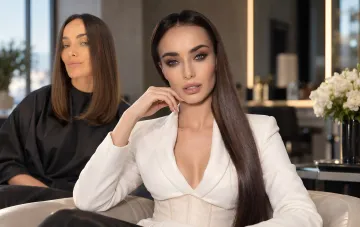
As stylist Renee Valeri Radoi explains in Parade, very dark hair shades without soft tonal transitions can create an excessively harsh contrast with facial skin. Meanwhile, stylist Nick Arroho notes that a monochromatic and uniform color often accentuates shadows on the face due to a lack of shine. Instead of radical black or solid chestnut, experts advise adding delicate lighter strands around the face or opting for a layered chocolate shade with natural highlights. Platinum blonde also requires caution: an overly cold tone can make the face look pale and dull, so it is better to choose a soft beige or honey undertone.
Haircut Mistakes: Length, Layers, and Bangs
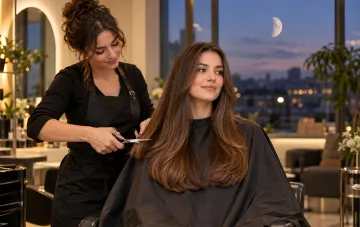
The problem lies not only in color but also in shape. Larry King salon stylist Andreas Wild explains that very long, flat hair without graduation visually pulls facial features downward. A large number of short layers on thin hair is not a solution either, as the ends can look sparse. ELLE stylist Adam Reed recommends keeping a solid bottom line and adding soft transitions mainly around the face. Heavy blunt bangs covering the forehead weigh down the look, whereas longer, softer bangs blending into side strands refresh the appearance.Old-Fashioned Silhouettes and Excess Styling
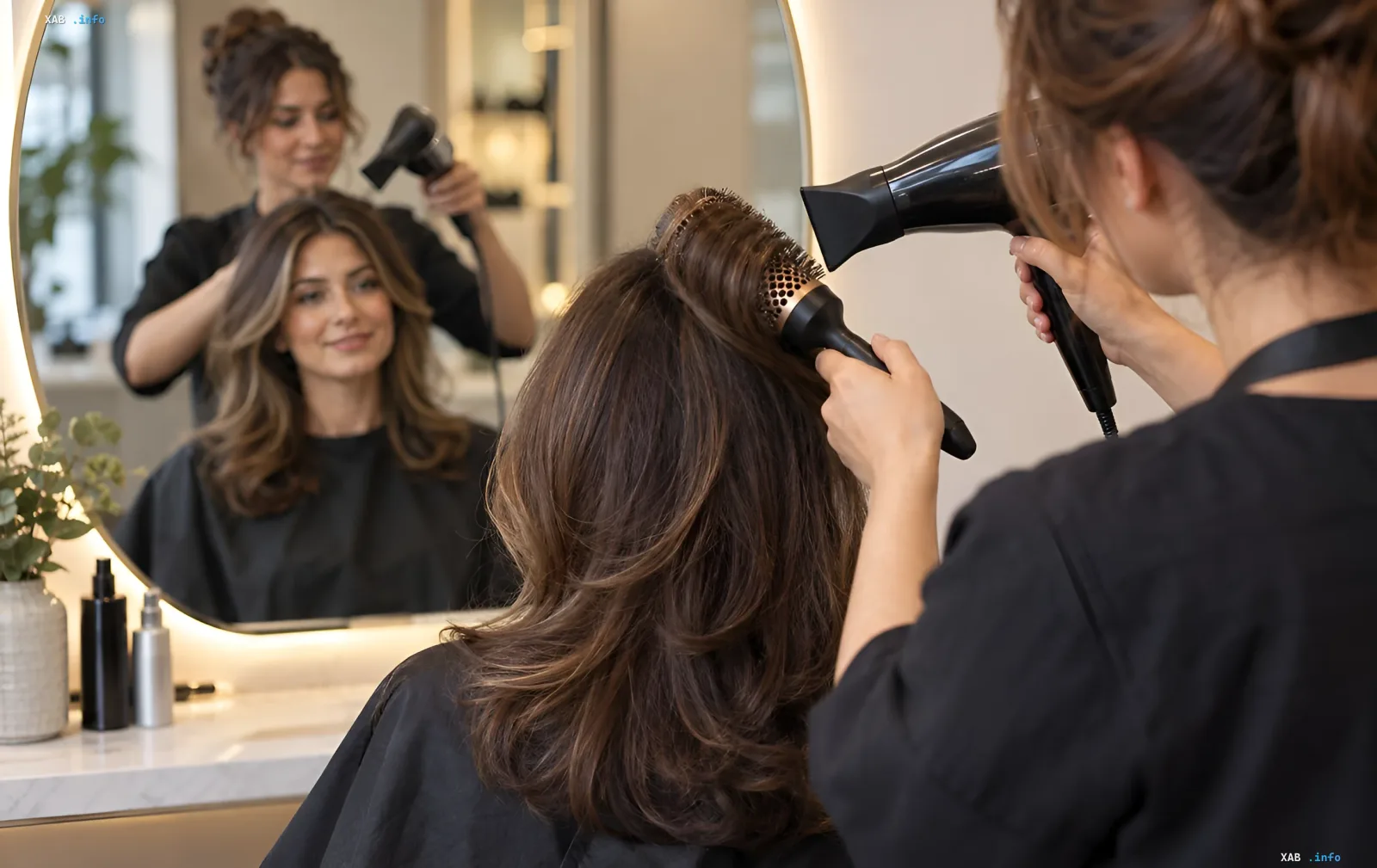
Another anti-trend remains the once-popular bob haircuts with a sharp elongation toward the face and an overly pronounced cutting angle, creating an excessively rigid silhouette. Stylist Gregory Patterson emphasizes that hair completely devoid of movement due to heavy hairspray looks outdated. Current trends for autumn 2026, including chocolate brown, golden bronde, and soft face-framing, focus on naturalness, movement, and harmony with individual features.
Contradictory Data
There are certain discrepancies within the expert community regarding the universality of age restrictions on haircuts. Some sources, such as beauty blogs on Obozrevatel, categorically claim that certain short haircuts or ultra-dark hair colors are strictly contraindicated for women over 50, allegedly instantly adding years. At the same time, leading global stylists interviewed by ELLE and Vogue maintain a more flexible position, insisting that there are no age taboos, and the key factor is an individual approach to skin undertone, hair texture, and natural movement rather than chronological age.