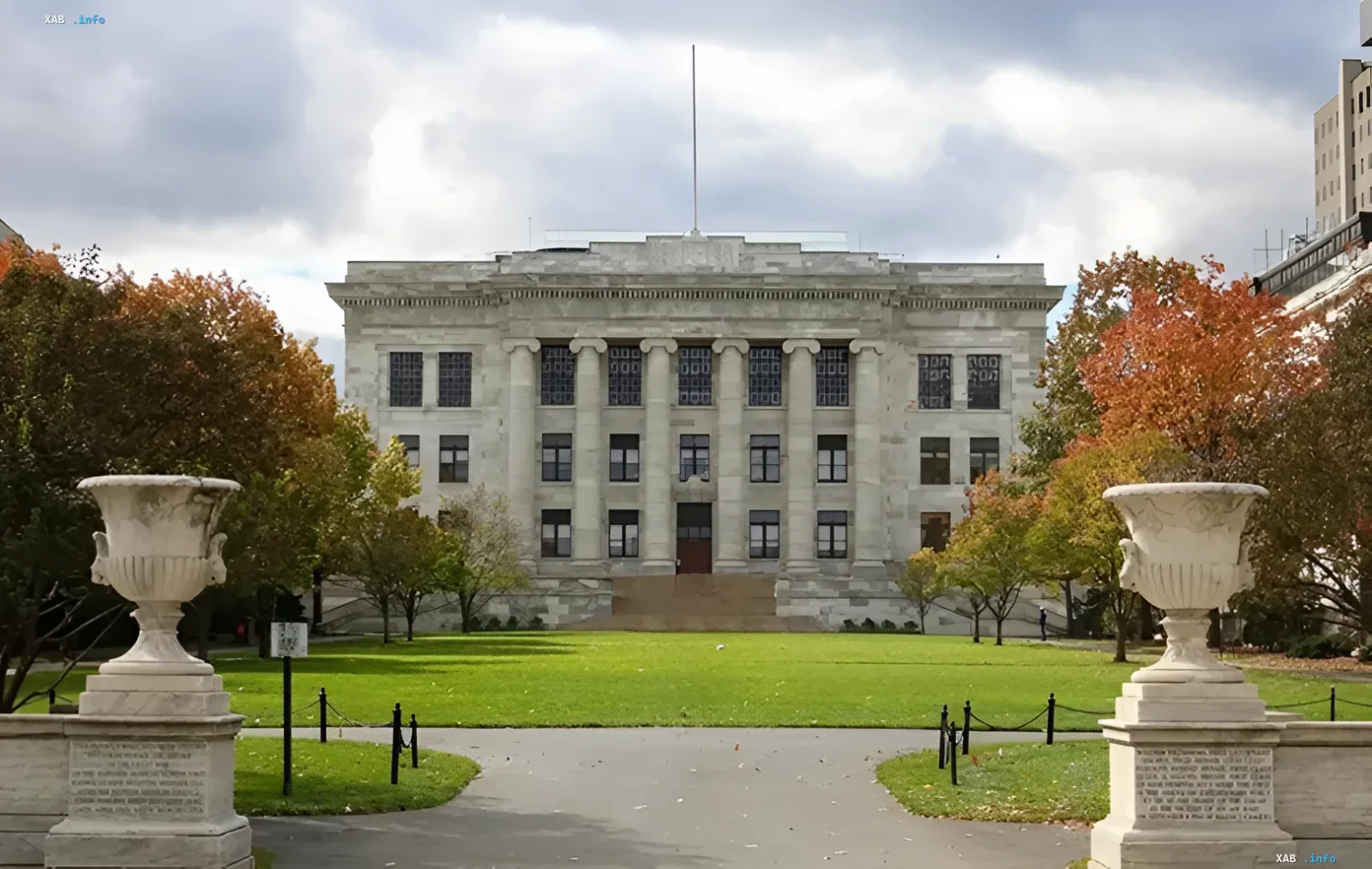
Harvard University and Harvard Medical School have reached a settlement in a class-action lawsuit in which dozens of families alleged that the university was negligent in its handling of the bodies of individuals who had donated them for medical purposes. Under the terms of the deal, two funds will be established to manage the $53 million compensation, along with a third governing body that will take part in distributing the funds. The distribution process is expected to take several months. In parallel, the school announced the creation of an annual scholarship for medical students, which will take effect starting with the 2027–2028 academic year and is intended to "thank everyone who funds surgical operations."
Progress of the Criminal Case Against the Morgue Director
According to the indictment, Cedric Lodge, who worked at Harvard's morgue for nearly three decades and held the position of director, began removing body parts from the morgue between 2018 and August 2022. Among the stolen fragments were heads, faces, brains, skin, and hands. Lodge transported them from the Boston morgue to his home in Goffstown, New Hampshire, where, according to the plaintiffs, he sold them together with his wife. In June 2023, he and his wife were arrested and charged. In December 2023, Lodge was sentenced to eight years in prison for stealing and selling organs and other body parts of donors, and six of his accomplices, who bought and sold these parts, were also convicted of participating in the crime.
Response from the Medical Faculty Leadership
In a statement sent to the school community on August 18, George Daley, dean of the medical faculty, and Bernard Chang, dean of medical education at Harvard Medical School, called Lodge's behavior "a heinous, repugnant, and egregious betrayal of our values as a medical community." This public condemnation became part of a broader package of measures aimed at restoring trust in an institution that had relied for decades on voluntary body donations for training and research.
Compensation Mechanism and New Guarantees
The settlement architecture involves a three-tier structure: two funds directly manage the payment of $53 million, while a third governing body coordinates the distribution. This approach, as intended by the parties, is meant to ensure transparency and fairness in dealing with the families whose loved ones became victims of a long-standing violation. The creation of a scholarship for medical students starting with the 2027–2028 academic year is positioned as a long-term gesture toward the donor community, whose donations form the foundation of medical education.
Context and Significance for the Medical Community
The Lodge case exposed systemic risks in the management of donor bodies: the years-long illegal actions, according to the plaintiffs, went unnoticed, indicating gaps in control and oversight. For Harvard, whose reputation is closely tied to ethical standards in medicine, the settlement and public apologies become a way to minimize reputational damage and prevent similar incidents in the future. The final details of the fund distribution will become known upon the completion of the work of the governing bodies in the coming months.