
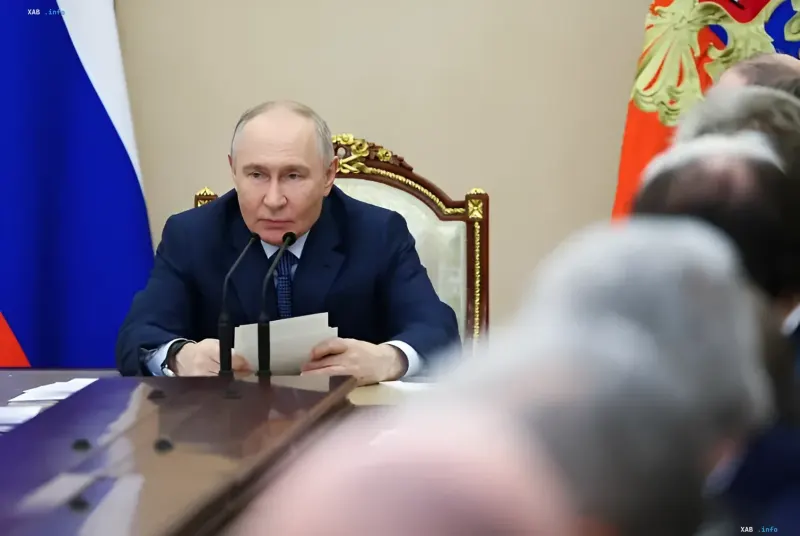
The domestic political situation in Russia has entered a phase of acute tension. According to Reuters, based on insider sources and OSINT analysis, a group of conservative elites, unofficially called "hawks," has intensified pressure on President Vladimir Putin. Their demand is singular: radically change the strategic course regarding Ukraine. The trigger for the radicalization of rhetoric was a series of successful drone strikes on critical infrastructure deep within Russian territory, recorded in June 2026.
Technical Context and Vulnerability of the Rear
The rhetoric of the "hawks" is fueled by real incidents in rear regions. Particular concern is the vulnerability of the fuel and energy complex to modernized air attack means. A striking example was the repeated fire impact on the Linear Production and Dispatcher Station (LPDS) "Vtorovo" in the Vladimir region, which ensures the transit of light oil products. Experts note that these events have caused the conservative wing of the elites to doubt the long-term sustainability of the current strategy.
Demands of the Radical Wing
Representatives of radical political platforms and military bloggers, whose combined audience is counted in millions, have put forward clear programmatic requirements. Their position is based on the belief that continuing negotiations is a sign of strategic weakness.
- Break in Diplomacy: Complete refusal to consult with Washington and withdrawal from the format of peace negotiations discussed at the Alaska summit.
- Escalation of Strikes: Transition to systematic strikes on government quarters in Kyiv and logistics hubs supporting the work of Ukrainian authorities.
- Use of Unconventional Weapons: Ultra-nationalist groups are publicly calling for the demonstrative use of tactical nuclear weapons (TNW) to deter the West.
Kremlin Reaction and Balance of Interests
The top leadership of the Russian Federation is currently distancing itself from the most radical initiatives. Vladimir Putin, speaking to graduates of military academies, confirmed his commitment to the current plan, focused on capturing industrial centers in the Donetsk region, particularly in the Konstantinovka area. The Kremlin seeks to maintain control and keep channels open for diplomatic maneuvering.
However, the defense ministry is partially integrating escalation rhetoric into the official agenda. The Ministry of Defense of the Russian Federation published a list of industrial enterprises in Western Europe involved in the production of components for Ukrainian UAVs. Experts classify this step as a demonstrative warning.
Legal Frameworks and Reality
Despite calls for nuclear deterrence, reality is strictly limited by documents. In accordance with the Military Doctrine of the Russian Federation, the use of nuclear weapons is possible only in response to the use of weapons of mass destruction against the Russian Federation or in the event of aggression threatening the very existence of the state. The current actions of the Kremlin are aimed at maintaining a balance between the demands of the general staff and the pragmatic interests of big business, which is interested in preventing critical destabilization of the financial system.


