
On the night of July 6, Kyiv was subjected to a powerful attack using ballistic weapons and cruise missiles. As of 4:30 AM, three people were killed in the strike. Earlier, on the night of July 2, the occupiers had already launched a massive attack on the capital, during which a missile hit a high-rise building in the Darnytskyi district.
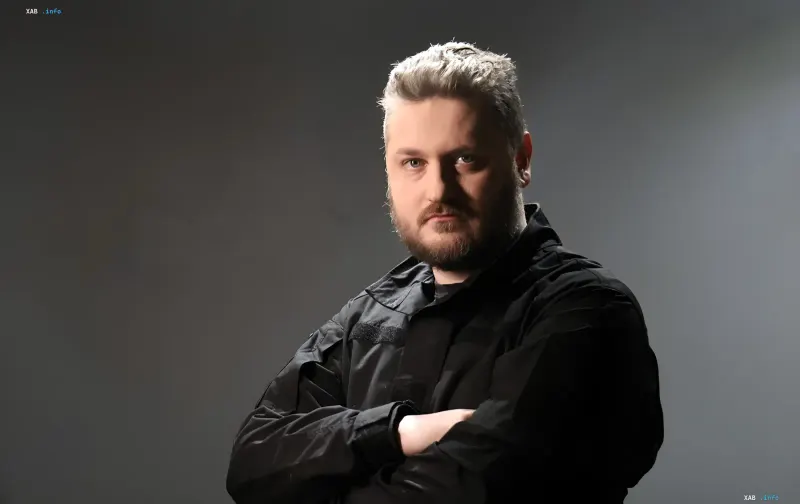
Andriy Kovalenko, Head of the Center for Countering Disinformation (CCD), commented on the recent events, stating that there is no military logic behind the nighttime ballistic attack on the Ukrainian capital. In his opinion, the enemy's actions are purely demonstrative.
Psychological warfare and the "picture" for society
The expert characterized the situation as a war against the civilian population. Kovalenko pointed out the importance of the context: the attack took place at a time when Russian society is increasingly focused on issues with fuel queues. According to the head of the CCD, the goal of the strike was to create a specific "picture" for the domestic audience in Russia.
"We are dealing with a failed state and fanatics," Kovalenko emphasized, describing the enemy's motivation.
Shift in air parity
Kovalenko drew attention to the sharp contrast in the current situation: while Russia strikes Kyiv, the Ukrainian Defense Forces are massively attacking Moscow and other regions of Russia. The expert is confident that "the Russians will have fewer aces in their arsenal the further we go".
The specialist noted that parity in the drone war once seemed impossible, but now the advantage has shifted to Ukraine.
The price of peace and historical parallels
Acknowledging that Russia's attacks bring sorrow and tragedy, the head of the CCD expressed a firm conviction: unilateral strikes by Russia have never brought peace closer. On the contrary, real peace is possible only through strengthening Kyiv's retaliatory actions, including missile strikes.
To support the nation's spirit, Kovalenko drew a historical parallel with Britain during World War II, urging Ukrainians not to lose resilience despite the complexity of the moment.


