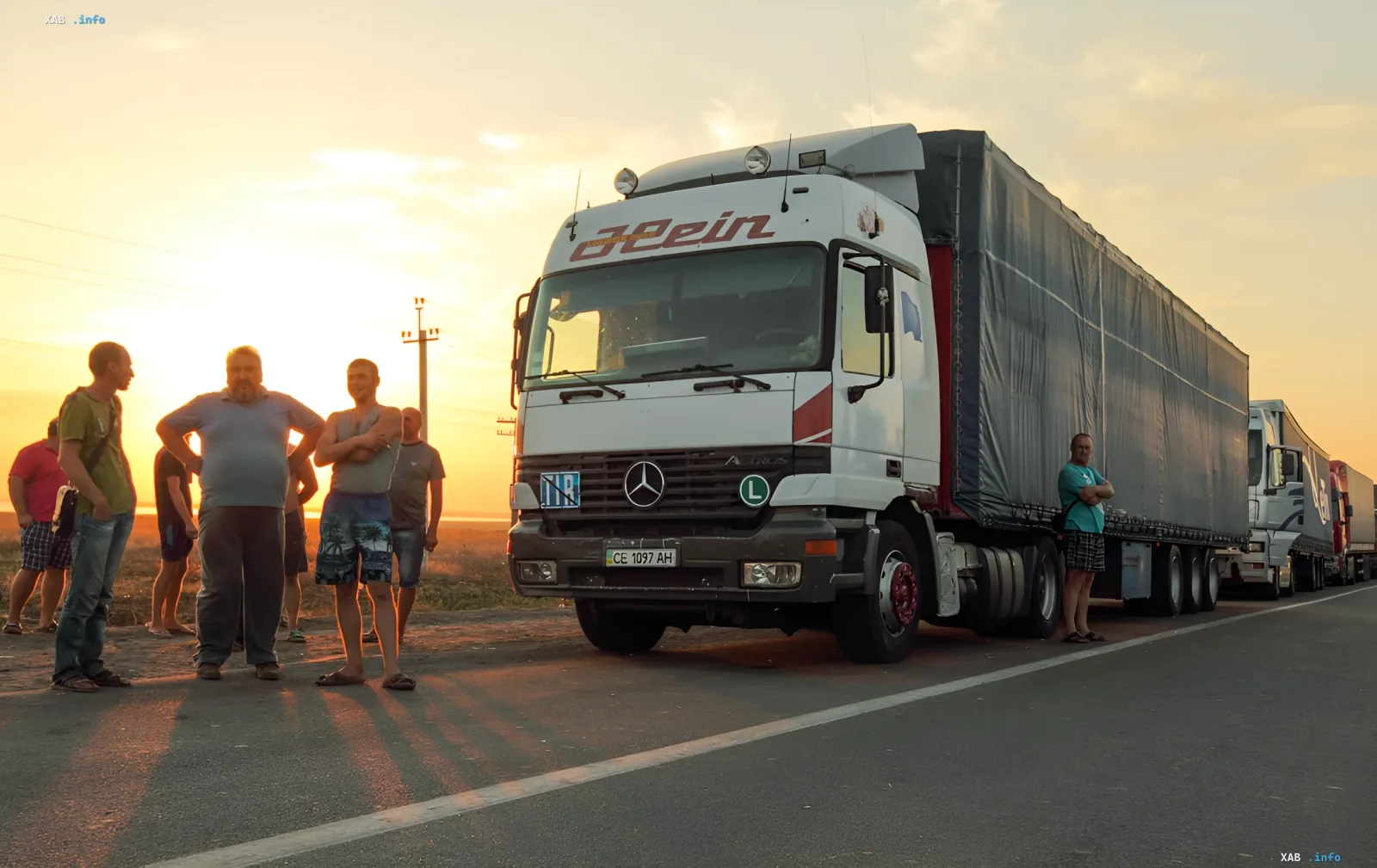
Against the backdrop of established hot weather, new traffic rules concerning heavy transport are coming into force in Ukraine. The State Agency for Infrastructure Restoration and Development of the country has announced the introduction of "summer" restrictions aimed at protecting the road surface from premature destruction.
Why restrictions were introduced
The main reason for the ban is the physical vulnerability of the road surface under high temperatures. As explained by the State Agency, asphalt concrete becomes soft during intense heat and cannot withstand the colossal loads from truck axles without the risk of rutting and potholes.
According to the new rules, the movement of certain categories of vehicles will be restricted on roads of state importance and main logistics routes if the air temperature rises above +28°C.
How the rules will work
During the period of restrictions, special information signs will be installed on highways warning drivers of the ban. To ensure that logistics chains are not completely broken, the authorities have provided places for temporary parking.
Drivers will be able to stop in specially designated areas and wait for the temperature to drop or for nightfall when the asphalt cools down. The list of these locations will be formed in real-time through joint efforts of:
- National Police;
- State Service of Ukraine for Transport Safety (Ukrtransbezpeka);
- Local authorities;
- Owners of road service facilities.
Who is exempt from restrictions
It is important to note that the ban is selective. The State Agency clarified that the introduced measures do not apply to all types of freight transport. There are categories of drivers who will be able to continue moving even when the temperature threshold is exceeded, although the full list of exceptions will be clarified depending on the type of cargo and vehicle marking.
These measures are designed to balance the economy's needs for transportation with the necessity of preserving infrastructure under conditions of climate change.


