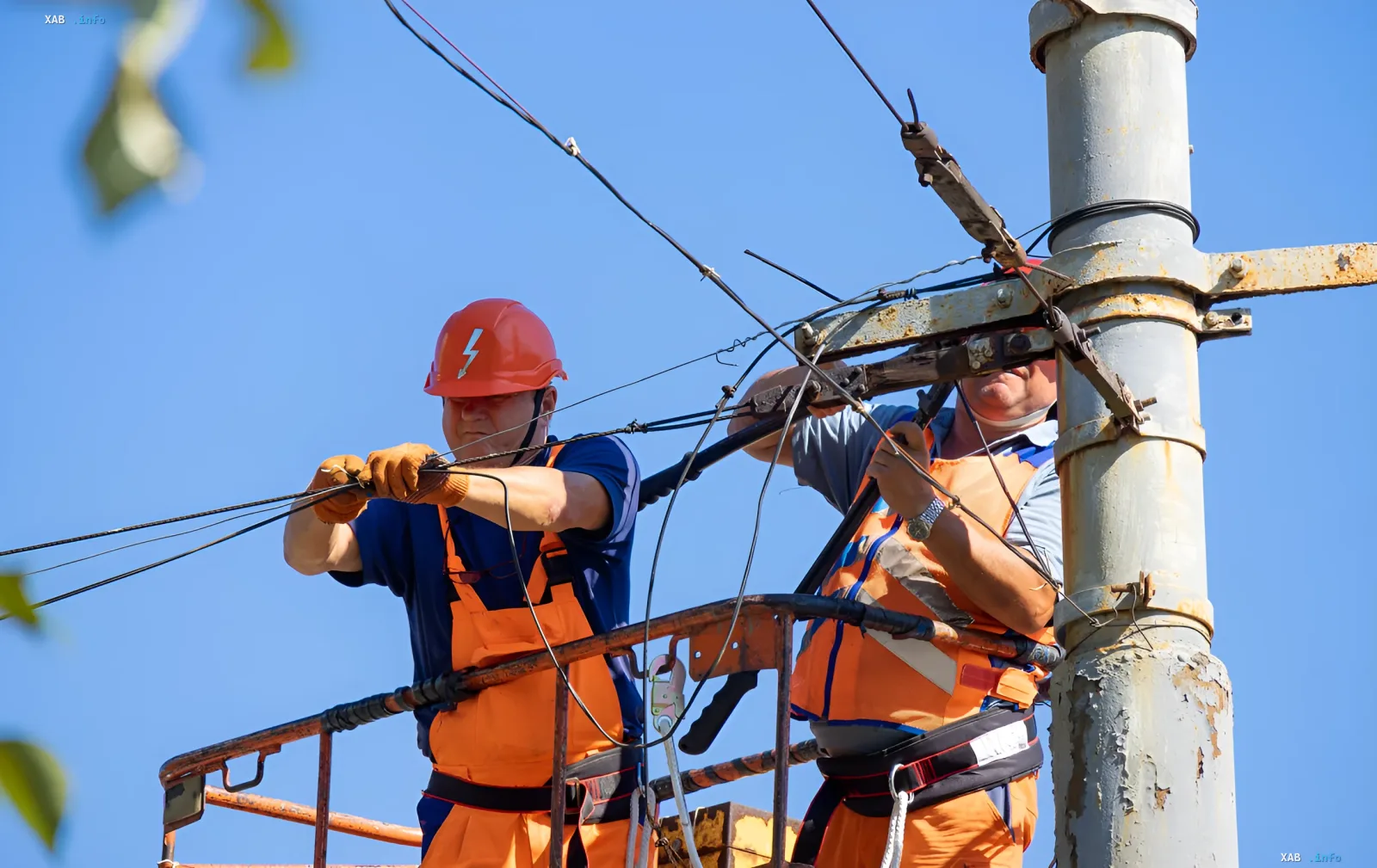
Amid an abnormal heatwave sweeping across Ukraine, the country's energy system is under serious strain. Emergency power outages have already occurred in several regions today, and restrictions are forecast for the entire country tomorrow. Energy experts Volodymyr Omelchenko and Hennadiy Ryabtsev explained to RBC-Ukraine why power cuts are happening right now, how long the interruptions will last, and which regions are at particular risk.
Power deficit and evening peak
The return of power rationing schedules in summer was an expected scenario, notes Volodymyr Omelchenko, Director of Energy and Infrastructure Programs at the Razumkov Centre. The main reason is the critical rise in consumption due to high temperatures. During peak hours, especially in the evening from 18:00 to 23:00, the power deficit can reach 2 GW.
"This doesn't mean outages will be 100%, but the risk is very high," the expert emphasizes. It is precisely in the evening, when people mass-activate air conditioners and household appliances, that the energy system experiences the greatest load.
Not just heat: the generation problem
However, high temperatures are not the only, nor even the main, cause of instability. According to Hennadiy Ryabtsev, Director of Special Projects at the NTSC "Psyche", the key issue lies in the state of generating capacities. Many facilities are undergoing repairs or are in the recovery stage following damage, making the balance between production and consumption extremely precarious.
During the day, roughly from 11:00 to 16:00, the situation is saved by solar power plants, which actively generate energy. But as the sun sets, their efficiency drops, and the system is forced to rely on electricity imports from abroad. Unfortunately, import capabilities are currently limited: abnormal heat and rising consumption are also being observed in Eastern European countries.
Accidents and equipment overheating
Abnormal heat not only increases demand but also physically hinders the operation of energy equipment. Transformers and high-voltage lines overheat, increasing the risk of emergency outages. A prime example is Kyiv, where temporary power losses have already occurred due to equipment overload.
According to Omelchenko's forecasts, such outages are usually short-term — lasting from 2 to 4 hours. In some regions, particularly in western Ukraine, they may not occur at all. However, if Russia continues to strike energy infrastructure, the duration of outages could increase to 5–6 hours in the evening.
Local restrictions instead of nationwide schedules
Despite alarming forecasts, mass stabilization schedules for all of Ukraine are not currently planned. According to Ryabtsev, restrictions will be local in nature and will only arise in regions where a critical imbalance occurs due to excessive consumption.
"This doesn't mean everyone will be cut off. These will be power restrictions in specific regions where a deficit arises. As soon as consumption decreases, power will be restored," the expert explains.
Regions at risk
The most vulnerable remain the frontline regions, as well as major energy-deficit centers: Kyiv and the Kyiv region, the Odesa region, Dnipropetrovsk region, and Zaporizhzhia region. These regions have significant industrial production, but local generation is insufficient. Therefore, energy must be transferred from West to East.
Stability in these regions largely depends on how effectively industry can import electricity. If businesses actively utilize this opportunity, it will help avoid outages for the population or, at the very least, minimize their duration.
What should citizens do?
"Ukrenergo" urges citizens to shift the operation of powerful electrical appliances to daytime or nighttime hours. However, as Ryabtsev notes, in some regions these appeals are ignored, and Ukrainians continue to mass-activate air conditioners in the evening, exceeding limits.
The expert emphasizes: a certain number of emergency outages would occur even without extreme heat due to the need for constant repairs of worn-out equipment. However, high temperatures significantly increase the risk of equipment failure.
Volodymyr Omelchenko concludes: "There is no need to panic. The situation will be difficult but controlled. The main thing is to follow recommendations and not overload the grid during peak hours".


