

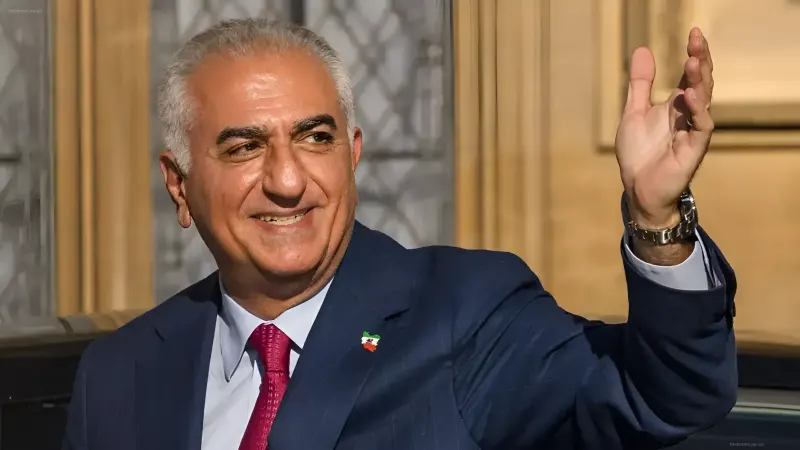
On Saturday, May 30, Odesa became the center of international political attention. Reza Pahlavi — head of the Pahlavi dynasty, the legitimate heir to the Iranian throne, and one of the most influential figures in the Iranian opposition — arrived in the Ukrainian port. His visit coincides with his participation in the Black Sea Security Forum, where politicians, diplomats, military officials, and experts from around the world have gathered.
Pahlavi’s presence at the event was more than a formality. As forum founder Alexey Goncharenko noted, it symbolizes the active stance of the Iranian opposition, which continues to fight against the current regime in Iran. For many participants, Pahlavi’s visit served as a reminder that serious political changes are brewing within Iran, and his name remains a symbol of hope for millions of Iranians.
The History of the Pahlavi Dynasty: From the Throne to Exile
Reza Pahlavi is the son of the last Shah of Iran, Mohammad Reza Pahlavi, who was overthrown during the 1979 Islamic Revolution. Following this, the Pahlavi family left the country, and Reza became one of the key figures in the Iranian opposition. He advocates for democratic reforms, the restoration of human rights, and the replacement of Iran’s authoritarian regime.
His activities extend beyond political statements. Pahlavi actively supports Iranian activists fighting for freedom and regularly speaks at international platforms, drawing attention to Iran’s problems. His visit to Odesa is another step in this direction.
Prayer Breakfast: Unity for Peace
As part of the Black Sea Security Forum 2026, a unique event took place — the Prayer Breakfast. It was attended by government representatives, military personnel, clergy, businesspeople, volunteers, and international guests. Participants prayed for Ukraine, a just peace, and the security of the state. This event became a symbol of unity among different layers of society in the face of global challenges.
Political Context: Protests and Military Operations
In January 2026, large-scale protests erupted in Iran amid economic difficulties. Under these circumstances, Reza Pahlavi announced the beginning of a “new stage of national resistance” aimed at overthrowing the Islamic Republic regime and restoring the country. However, the situation changed dramatically after the launch of a joint U.S.-Israeli military operation against Iran in late February. These events added a new level of tension to the region and heightened interest in Pahlavi’s figure.
Reza Pahlavi’s visit to Odesa is not merely participation in a forum. It is a signal that the Iranian opposition remains active and ready for new challenges. His presence on the international stage underscores the importance of supporting democratic processes in Iran and the necessity of dialogue between countries to achieve peace and stability.


