
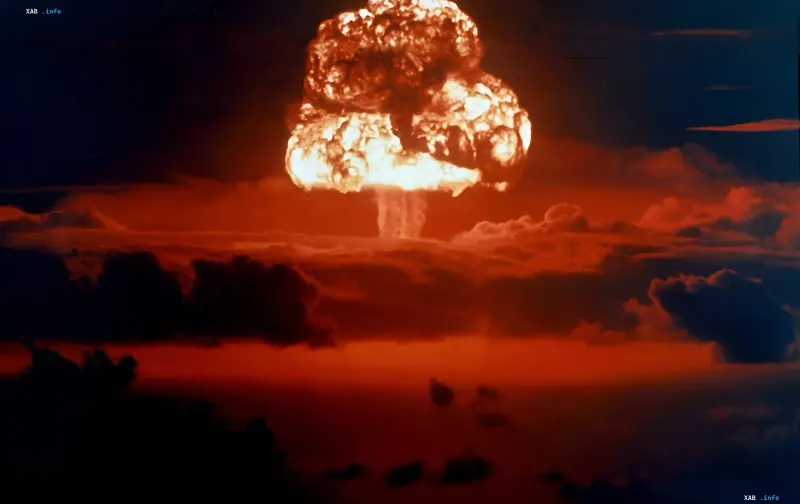
Finland demonstrates one of the highest levels of emergency preparedness in Europe. As reported by RBK-Ukraine citing the British newspaper The Times, the country has created a unique civil protection system capable of sheltering a significant portion of the capital's population from military threats in the shortest possible time, including scenarios involving the use of nuclear weapons.
Dual-purpose urban environment
Special attention in the publication is paid to Helsinki, where an extensive network of underground structures has been formed over decades. In peacetime, these facilities function as a familiar part of the urban infrastructure. Located underground in the Finnish capital are swimming pools, sports complexes, playgrounds, parking lots, and other public spaces used daily by residents.
However, in the event of a threat, these facilities can be quickly converted into reliable shelters. This concept allows the presence of a powerful defense system to remain hidden in the city's daily life while maintaining a high speed of reaction.
Technical autonomy and history
A key factor in the system's effectiveness is its technical equipment. According to The Times, Helsinki's underground infrastructure is equipped with autonomous power supply, ventilation, and water supply systems. This allows the shelters to function for a long time independently of external conditions and surface destruction.
The newspaper emphasizes that such a system is not an immediate reaction to current geopolitical events. It is the result of years of state policy in the field of civil defense. Finnish authorities have consistently developed the network of protective structures since the Cold War, regularly modernizing it to suit modern realities.
Context of European security
The strengthening of civil defense measures in Finland is taking place against the backdrop of a general increase in attention to security issues in Europe. In particular, Poland and France recently took a step towards deepening cooperation in this area by holding the first meeting of a joint group on nuclear interaction in Paris. During the meeting, representatives of the two countries discussed the coordination of efforts aimed at strengthening the continent's defense potential.


