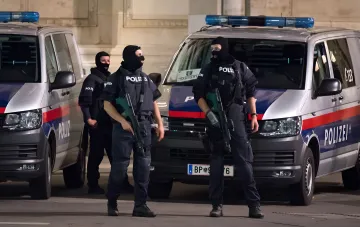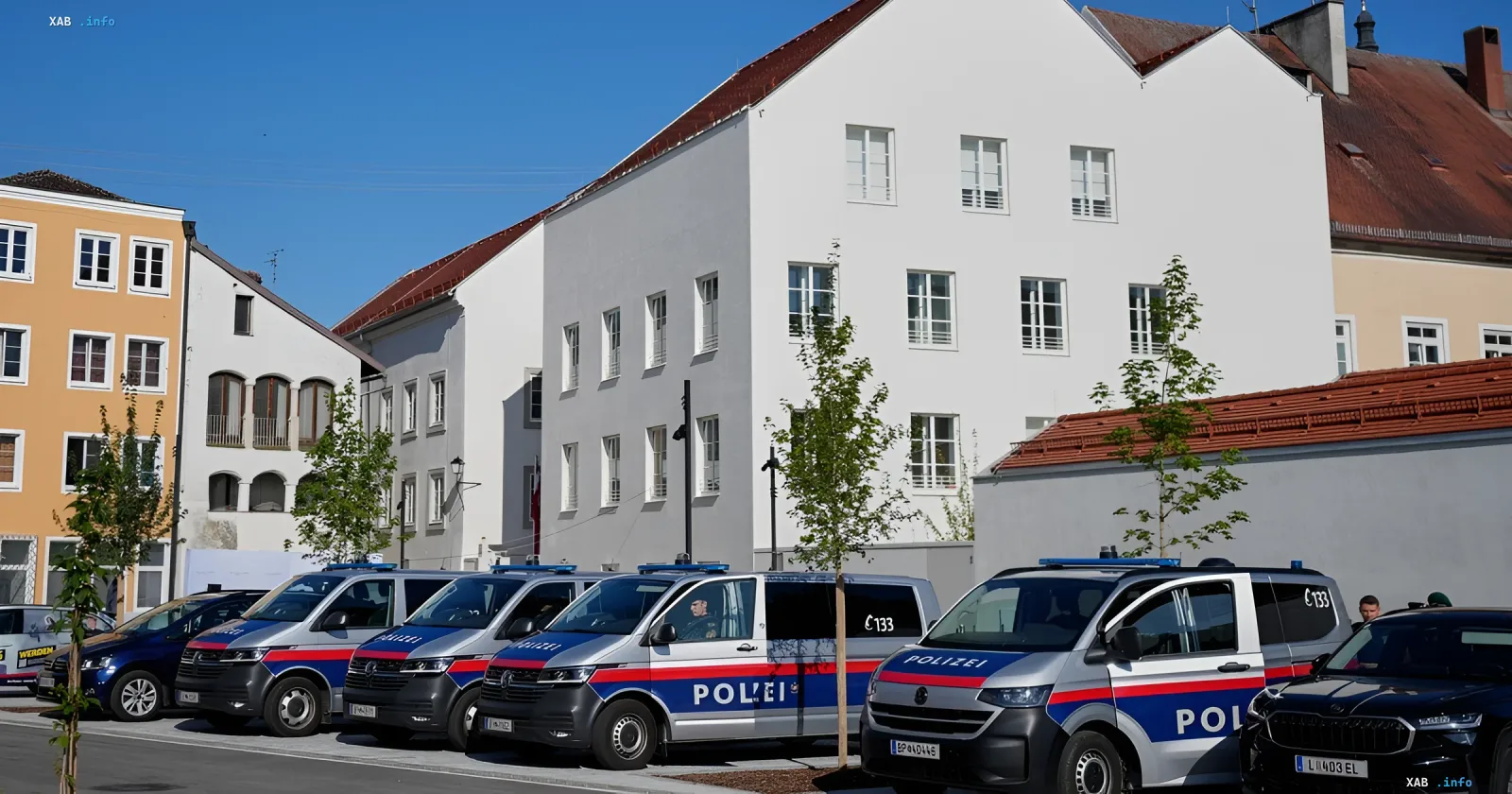
In the Austrian town of Braunau am Inn, on Salzburg Vorstadt street, house number 15 has found a new purpose. The building where Adolf Hitler was born in April 1889 now functions as a police station. This decision was the result of years of debate on how best to protect society from the house of the dictator becoming a pilgrimage site for neo-Nazis.
From Debate to Implementation
Austrian authorities have spent years looking for a way to prevent the cultivation of Nazi symbolism around this address. Hitler lived in the house for only a few weeks and left the town forever at the age of three, returning only in 1938 after the Anschluss. To ensure the building did not become a magnet for the far-right, it was significantly renovated, with the facade altered and any hints of historical significance to Nazis removed.
Interior Minister Gerhard Karner and local officials participated in the opening ceremony. The event took place to the sound of a police brass band. The head of the Ministry of the Interior emphasized that Austria is taking responsibility for the "horrors of the past." According to Karner, the building will now become a symbol of democracy, the rule of law, and human dignity.
The History of the Struggle for the Building
The path to opening the police station was long and difficult. For a long time, the Ministry of the Interior rented the property from a local resident, Gerlinde Pommer, to prevent the development of "far-right tourism." Workshops and a day center for people with disabilities operated in the building; however, in 2011, the charitable organization was forced to leave the premises due to the owner's refusal to approve repairs.
Pommer systematically rejected the government's offers to buy the property, leaving the house empty for years. The situation was resolved only in 2016 when the Austrian parliament passed a law on the compulsory expropriation of real estate. The owner received compensation of 812,000 euros, but her attempt to appeal the amount in court was unsuccessful.
Why Wasn't It Demolished?
At one point, Interior Minister Wolfgang Sobotka proposed completely demolishing the building. However, the initiative sparked a wave of criticism: opposition members and historians noted that destroying the house would be tantamount to an attempt to erase the memory of the Nazi past. Ultimately, in 2019, the government approved a plan to establish a police station and held a pan-European architectural competition to update the facade.
The decision to house the police was met with mixed reactions. Part of the public considers this a wrong signal, suggesting instead the creation of a center for responsibility for understanding history. Local historian Florian Kotanko, for example, advocated for the return of the charitable organization.
Symbolism and Security
There are no commemorative plaques on the facade of the house mentioning Hitler. The only reminder remains a commemorative stone installed on the street in 1989. It reads: "Never again fascism; in memory of the millions killed." The stone was brought from the Mauthausen concentration camp, and Hitler's name is not mentioned on it. Surveillance cameras have been installed on the building to record possible visits by neo-Nazis.
Echoes of History: Myths About the Führer's Survival
Interest in the figure of Hitler has not waned. In the 1950s, US intelligence services conducted searches for the dictator in South America, considering the version of his survival. Declassified CIA materials, published by the Daily Mail, contain information from former SS members and a 1954 photograph of a man named Adolf Schrittmayr, whom some identified as Hitler. There was also a version of his stay in an Argentine hotel.
Although the Führer officially committed suicide in Berlin, the topic remains relevant. In March 2025, Argentine President Javier Milei announced the declassification of national archives concerning Nazis who hid in the country after World War II. This could shed new light on the history of the hunt for war criminals.