The Honor Magic9 Lite+ smartphone is being prepared by Honor for the European market. The device has already appeared in the Google Play Console database, and now 91mobiles has revealed its design, full list of specifications, and even estimated pricing. Based on the aggregate stated parameters, the new device is positioned as an "autonomy monster" in the mid-range segment, where the record-breaking battery capacity for its class becomes the key selling point.
Design and Build
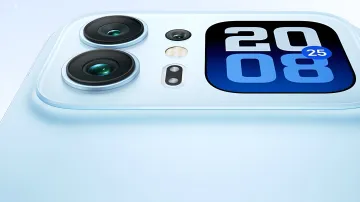
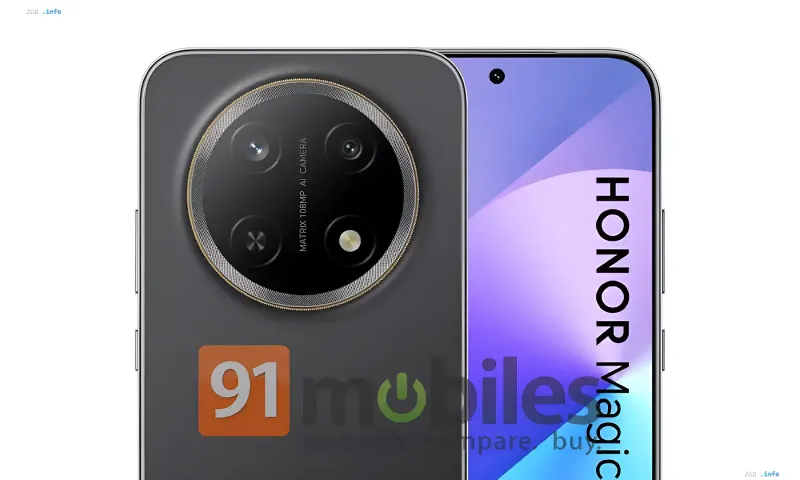
According to 91mobiles, the Honor Magic9 Lite+ will feature a distinctively large round camera module on the rear panel and flat side edges. The smartphone will be available in two finishes: dark gray and an unusual beige-red. This design continues the signature Magic line with an emphasis on the circular "island" camera surrounded by a decorative ring.
Display and Performance
The device is built around a 6.8-inch AMOLED panel with a 120 Hz refresh rate. Performance is driven by the Snapdragon 6 Gen 5 platform, which is focused on balanced performance in daily tasks and mid-tier demanding games. The combination of a large screen and a mid-range chipset highlights multimedia and battery life over flagship raw power.
Cameras
The main camera will feature a 108 MP resolution, paired with an additional 5 MP sensor. The front camera is equipped with a 16 MP sensor. Thus, Honor is betting on a high-resolution main sensor, which is typical for the Lite series, aimed at high-quality photography at a minimum price.
Battery and Protection
The main highlight of the Honor Magic9 Lite+ is the 9530 mAh battery with support for 80W fast charging. Water and dust resistance according to the IP68 standard, an NFC module, and dual SIM support are also claimed. Software-wise, the MagicOS 10 shell based on Android is mentioned (the source specifies Android 10 version).
Pricing and Launch
According to 91mobiles, the Honor Magic9 Lite+ will go on sale in January 2027 for 700 euros. The main competitor in this market will be the Poco F9 Pro, which sells for 650 euros. The 50-euro difference makes the race for customers in this segment particularly intense, where battery life and camera quality could prove decisive.