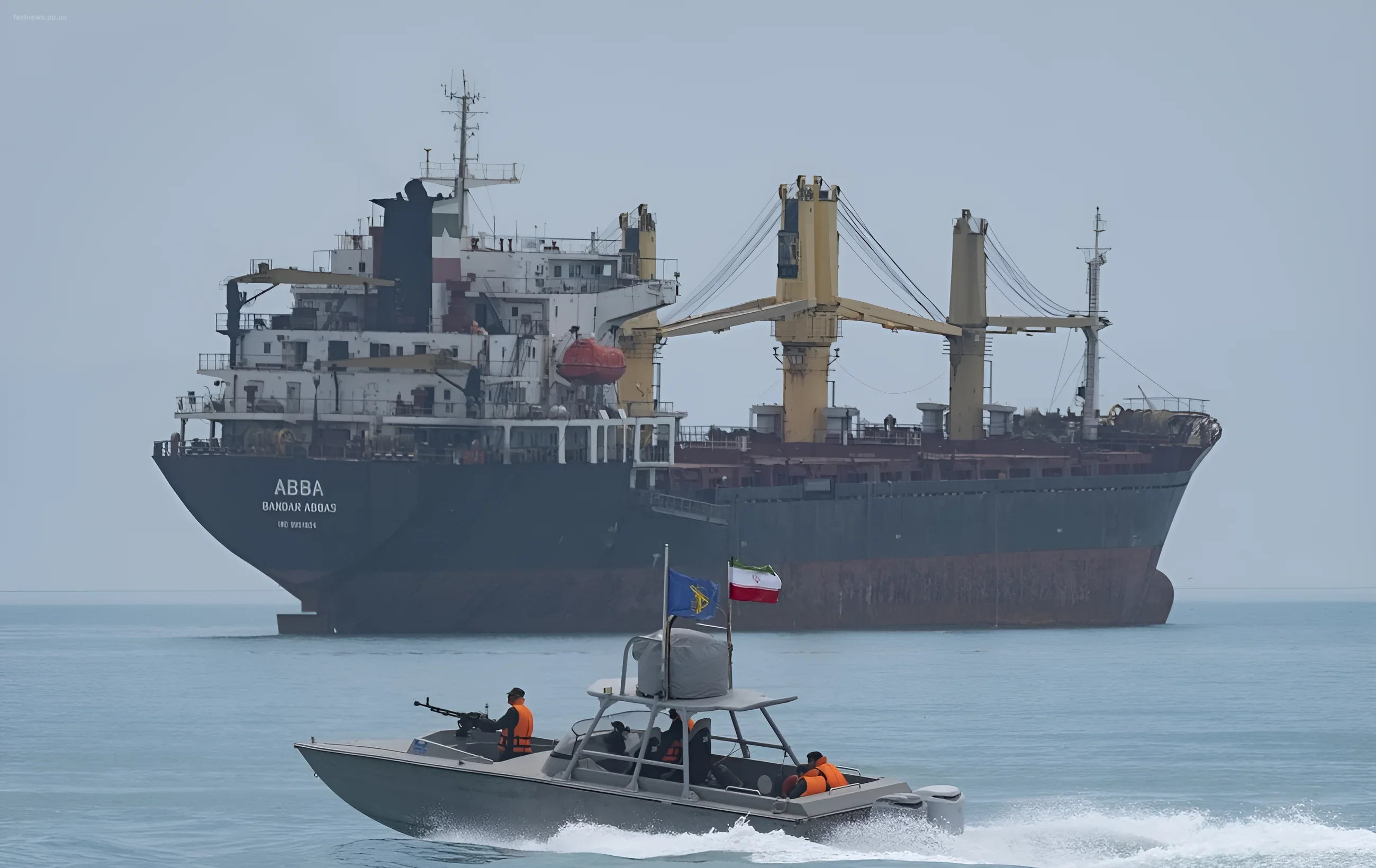
The situation in the Persian Gulf, which has kept the global energy market on edge for months, may undergo radical changes. Iranian state television has released details of an unofficial draft agreement with the US capable of fundamentally altering the rules of the game in the region.
One Month to "Normalization" of Shipping
According to Tehran media, the document outlines clear deadlines: the regime of free and safe passage of ships through the Strait of Hormuz could be restored within 30 days of signing the final version of the document. This is a key point that was immediately reflected in stock market quotes.
The draft also provides for the complete lifting of the naval blockade of Iranian ports by Washington and the withdrawal of the US fleet from adjacent waters. However, it remains unclear how relevant this text is and whether the US administration is ready to accept such strict conditions.
Who Will Be the Master of the Strait?
The central point of the negotiations remains the issue of sovereignty over the strategic waterway. Tehran insists that control over the route will remain with Iran. The draft mentions the possibility of creating a joint shipping monitoring mechanism with the participation of Oman.
Washington, in turn, demands guarantees of unimpeded passage for all international vessels, unwilling to allow a scenario where Iran could use the strait as a lever of pressure again.
Market Reaction and Trump's Position
The market reacted to rumors of a possible deal instantly and painfully for sellers. The price of Brent crude futures plummeted by almost 5%, falling below the $95 per barrel mark. Over the week, quotes lost more than 8% as traders began to massively factor in the scenario of de-escalation of the conflict.
Information about progress in negotiations coincided with statements by Donald Trump, who stated that the document is "mostly agreed upon" and only details remain to be clarified. Nevertheless, Tehran has already rushed to refute information about the full opening of the strait, emphasizing that control over it will remain exclusively with Iran.
According to the Financial Times, mediators are currently working on a memorandum to extend the ceasefire for another two months, which should create a basis for further discussions on the Iranian nuclear program.


