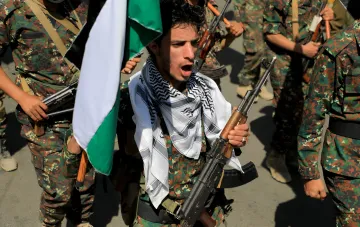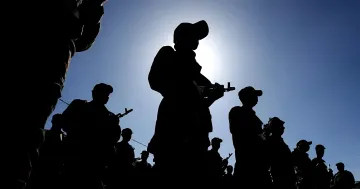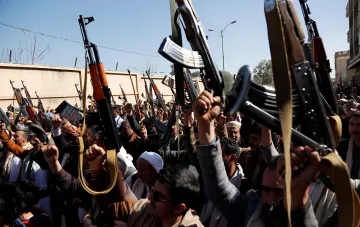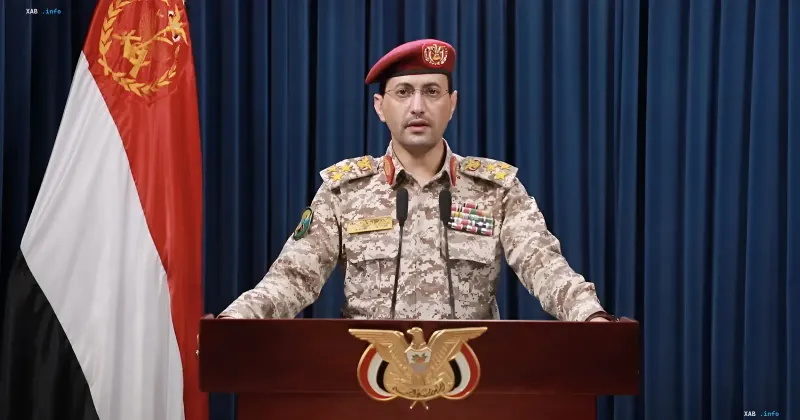
The armed conflict in Yemen, which had been experiencing a period of relative calm since July 2026, is undergoing a sharp escalation. The Houthi rebels, having entrenched themselves in the strategically important Red Sea port city of Mukalla and established control over the entire Hodeidah Governorate, have moved to active strikes on Saudi Arabian territory. A representative of the Houthi armed forces, Yahya Sary, stated on the X platform that the group launched "a large number of ballistic missiles and drones" at the Sharurah military base in the south of the kingdom. According to him, the attack targeted weapons depots and command-and-control points and was a response to Saudi offensive operations in Yemen. Sary warned that the rebels would extend their strikes deeper into "enemy territory" if hostilities continue. Saudi officials did not comment on the Houthi statement at the time of writing.
Consequences of the Shelling in Al-Tuwaij Governorate
Even before Sary's statement, on Saturday morning, Saudi Arabia confirmed the fall of an artillery shell in Al-Tuwaij Governorate, part of the Jazan region in the southwest of the kingdom. As a result of the incident, two people were injured, and a mosque, several buildings, and vehicles were damaged. This confirmation became the first public acknowledgment by Riyadh of the consequences of Houthi strikes on its own territory during the current phase of escalation.
Rapid Houthi Advance and Control over Hodeidah
The military dynamics on the ground in Yemen indicate a turning point in favor of the rebels. After intensifying their offensive in the Taiz area, Houthi forces captured Mukalla — a key Red Sea port city — and took control of the entire western Hodeidah Governorate. By September 11, the rebels continued their advance toward Perim Island in the Bab el-Mandeb Strait, approaching the southwestern coastal areas of Yemen. At the same time, government forces reported advances in the northern Al-Jawf Governorate, which borders Saudi Arabia, and an offensive toward the administrative center Al-Hazm. Thus, the front of the conflict is expanding simultaneously in the west and the north of the country.
Threat to the Bab el-Mandeb Strait and the Global Market
Houthi control over the port of Mukalla and the surrounding islands gives them direct access to the Bab el-Mandeb Strait — a waterway about 32 kilometers wide, connecting the Red Sea with the Gulf of Aden and serving as a trade artery between Asia and Europe. The risk of a de facto blockade of the strait may force cargo ships to round the southern tip of Africa, significantly increasing voyage times and putting pressure on global logistics. Analysts link the ongoing conflict and the attacks on Saudi Arabia to rising oil prices above the $100-per-barrel mark.
Diplomatic Maneuvering by Washington, Riyadh, and Sanaa
The diplomatic track is no less tense. On September 12, US President Donald Trump stated that the Houthi rebels initiated a phone call with the American side, expressing a desire to avoid hostilities and not wanting US intervention in the conflict. The Houthis did not provide an official comment at the time of publication. Earlier, on September 10, sources reported that Saudi Crown Prince Mohammed bin Salman called Trump twice, requesting a military strike on the Houthis. According to the same sources, Washington refused direct combat action, limiting itself to a promise to provide Riyadh with intelligence and assistance in identifying targets. Neither the White House nor the Saudi side publicly confirmed these talks.
Contradictory Data
Discrepancies in key figures and statuses are recorded in available sources. According to the International Organization for Migration (IOM) data from September 11, about 46,000 people in the Taiz and Hodeidah Governorates were forced to leave their homes. Meanwhile, the British newspaper The Guardian reports on nearly 50,000 displaced persons — a difference of 4,000 people that may be related to different counting methodologies or to differences in the dates of recording. In addition, Trump's statement about a phone contact with the Houthis and reports of MBS calls to Trump are based on the president's own words or anonymous sources; none of the parties — neither the Houthis, nor the White House, nor Riyadh — has provided official confirmation of these dialogues. Finally, Saudi authorities confirmed only one incident involving a shell in Al-Tuwaij, while the Houthis claim a massive missile-drone strike on the Sharurah base; independent verification of the scale of the attack is currently absent.
Humanitarian Crisis and the UN Assessment
The rapid Houthi advance has turned into a humanitarian catastrophe for the civilian population. According to IOM data, hundreds of people have been killed, tens of thousands have been forced to leave their homes, and many vital roads and communication networks have been blocked. The UN Special Envoy for Yemen, Hans Grundberg, stated that the country is entering a "new and extremely dangerous phase of the war," emphasizing that half of Yemen's population is facing acute food shortages. Against the backdrop of the expanding front and the threat to maritime communications, the international community is facing growing pressure: the escalation in Yemen is already going beyond the bounds of a regional conflict and is becoming a factor of global economic instability.