
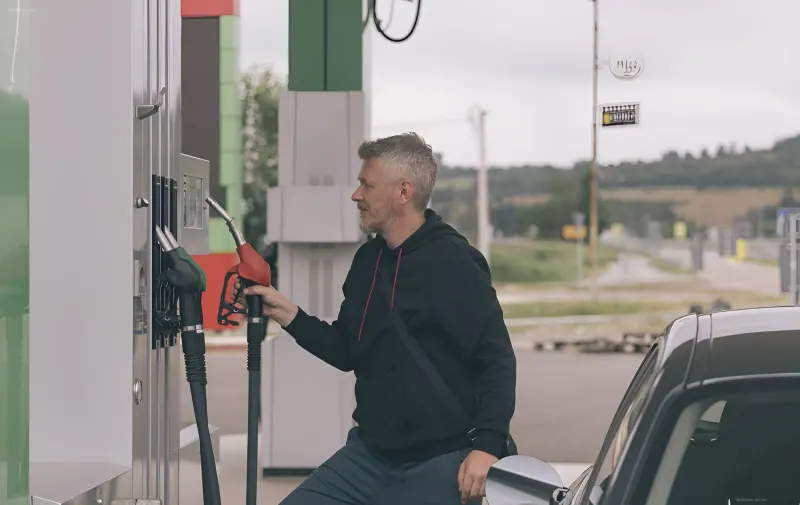
The question of who and how much earns on every filled canister concerns every car owner, especially against the backdrop of high prices. However, the real picture of fuel cost distribution differs significantly from popular stereotypes about "greedy" network giants. Experts have conducted a detailed analysis of the price structure, and the results may surprise you.
Where is the bulk of the cost hidden?
If you break down the price of gasoline or diesel fuel into components, it turns out that the profit of the gas station itself is only a small part of the bill. According to analysts, the lion's share—about 50%—is the cost of imported petroleum products. Given the shutdown of the Kremenchuk Refinery, Ukraine is fully dependent on imports, which automatically raises the base cost of the resource.
The second most significant factor is taxes. The state takes a substantial portion: excise duties and VAT account for 35% to 40% of the final price per liter. The remaining part goes to logistics, staff maintenance, and equipment depreciation.
Real Margin: Less Than It Seems
How much is left for the networks themselves? The Director of the consulting company "A-95", Serhiy Kuyun, names specific figures: the net profit of most market players is only 5–7%. In monetary terms, this is approximately 3–5 hryvnias per sold liter. Thus, the main income is formed due to huge turnover, not due to price markups.
Segment Battle: From Premium to Discounters
The fuel market is heterogeneous and is clearly divided into three categories, each with its own pricing strategy:
- Premium segment: Includes brands SOCAR, OKKO, and WOG. They offer an extended service and often maintain higher prices.
- Mid-range segment: Includes networks AMIC, UPG, KLO, and the state-owned "Ukrnafta". The latter plays a special role, acting as a price regulator and selling fuel with minimal markup by government decision.
- Discounters: Networks like "BRSM-Nafta", Avantage 7, and Marchal. They control about 15% of the market and offer some of the lowest prices.
The strategy of "Ukrnafta" has proven its effectiveness: thanks to minimal markup and station rebranding, the state company became the leader in sales in April. The price difference for A-95 gasoline between "Ukrnafta" and premium networks reaches 5–6 hryvnias, which for many drivers becomes a decisive factor.
Reserve Situation
Despite anxious sentiments, experts report that there is no fuel shortage in the country. There is enough diesel fuel accumulated in warehouses to meet needs for a month, and gasoline for almost two months. This indicates that current prices are dictated not by the lack of goods, but by global import factors and tax burden.


