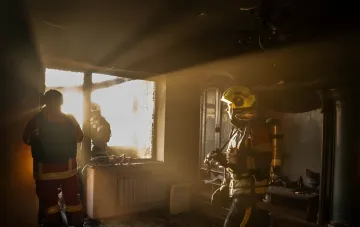
Russian shelling can begin suddenly, catching a person off guard in an open area. In conditions of constant threat, it is critically important to know a clear algorithm of actions that can save a life. The State Emergency Service of Ukraine (SES) regularly publishes recommendations on how to behave during a sudden missile or artillery attack.
How to Act During Shelling on the Street: Detailed Instructions and Survival Rules from SES
Key Points
- It is urgent to look for a capital shelter, metro, underground crossing, or parking lot.
- When shells land nearby, lie down on the ground, cover your head, and open your mouth.
- Transport, bridges, and overpasses are not safe places during shelling.
- If children are present, cover them with your body in a safe depression.
Verified Sources
-
What was verified: Официальный материал РБК-Украина со ссылкой на ДСНС Украины.
-
What was verified: Детализированные рекомендации Государственной службы по чрезвычайным ситуациям.
Frequently Asked Questions (FAQ)
What to do if shelling catches you in an open area?
You need to find a shelter, metro, or underground crossing as quickly as possible. If there are none, lie down in a depression on the ground.
What posture should be taken when dropping to the ground during shelling?
Lie on your stomach, cross your legs, cover your head with your hands, close your eyes, and open your mouth to protect against the blast wave.