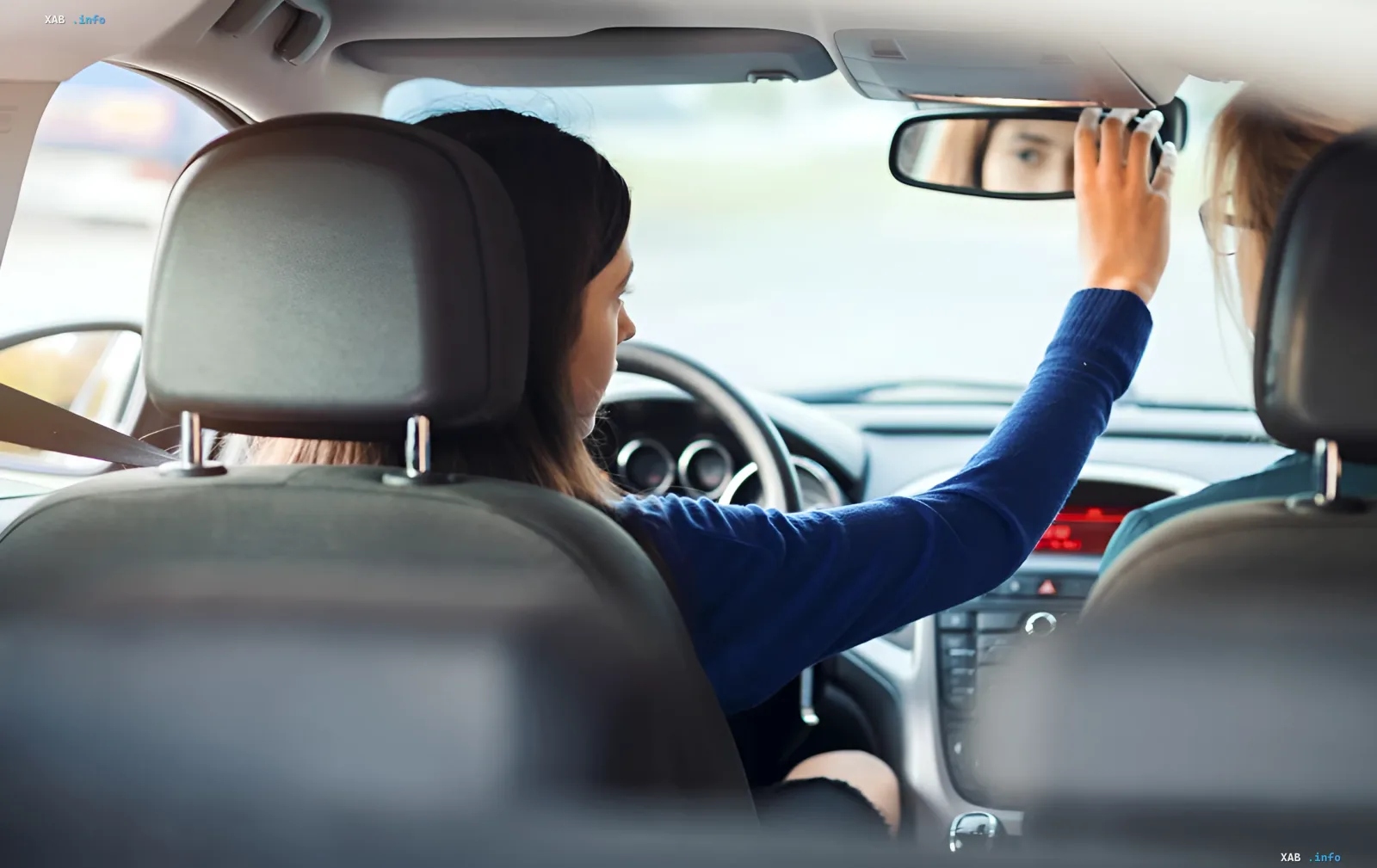
The situation is familiar to many: you lent your car to a relative, friend, or colleague, and a few days later, a fine for speeding arrived in your mailbox. Traffic cameras cannot see who is behind the wheel and automatically assign liability to the vehicle owner. However, the Main Service Center of the Ministry of Internal Affairs of Ukraine has explained that there is a legal way to avoid such issues, and it can be done in just a few minutes.
What is a "proper user"?
The solution lies in the service of appointing a "proper user." In everyday life, this function is often referred to as car sharing. The concept is simple: you officially indicate that the vehicle is currently being operated by a specific person who is not its owner.
It is important to understand the legal nuances: ownership of the vehicle does not change. The car remains registered to you in the registry. However, all fines recorded by automatic traffic cameras (speeding, running a red light, etc.) will be sent directly to the person appointed as the proper user. In other words, the actual driver will have to pay for the violations.
Who can obtain this status?
To register for this service, a valid driver's license of the appropriate category is required. This can be a national Ukrainian license or a document from a foreign state, provided it meets the requirements of the 1968 Vienna Convention on Road Traffic.
The initiator of the process can be either the vehicle owner or the driver themselves, wishing to obtain the legal right to operate someone else's vehicle.
How to register the status online?
The Ministry of Internal Affairs offers two main channels for remote registration: via the "Driver's Cabinet" web service or the "Diia" mobile application.
Via the Driver's Cabinet:
- The vehicle owner will need the Certificate of Registration of the Vehicle (technical passport).
- The future user will need a driver's license.
- The procedure takes place in the format of exchanging an application via email, followed by confirmation with an electronic signature from both parties.
Via the "Diia" application:
- The owner will need a passport (ID card or international passport) and the vehicle registration certificate.
- The driver will also need a passport and a driver's license.
The application is processed automatically. The Ministry of Internal Affairs promises that the entire process takes no more than five minutes. After successful registration, the driver will see a digital Certificate of Registration of the Vehicle in the application or on the website.
Limitations and nuances
The validity period of the status is determined by the owner and the driver themselves. If the need to transfer the vehicle ceases, the registration can be terminated early. This action is available online or by visiting a Ministry of Internal Affairs service center, and either party can initiate it.
However, there are important limitations:
- Only one proper user can be appointed for one vehicle at a time.
- This status does not grant the right to cross the border in someone else's vehicle. Additional documents from the owner will be required to cross the border.
With this information, vehicle owners no longer need to fear being "set up" by relatives or colleagues, and drivers can obtain official status, eliminating the risk of receiving fines in the owner's name.


