Autumn downpours and damp weather often cause your favorite pair of shoes to get soaked through and fail to dry overnight. The urge to speed up the process by placing wet shoes or sneakers near a radiator seems obvious, but experts warn that intense heat can hopelessly ruin materials and destroy adhesive bonds. To maintain shape and extend the lifespan of your items, you must follow proven rules regarding preparation, the use of absorbents, and proper air circulation.
Shoe Preparation for Drying and Initial Steps
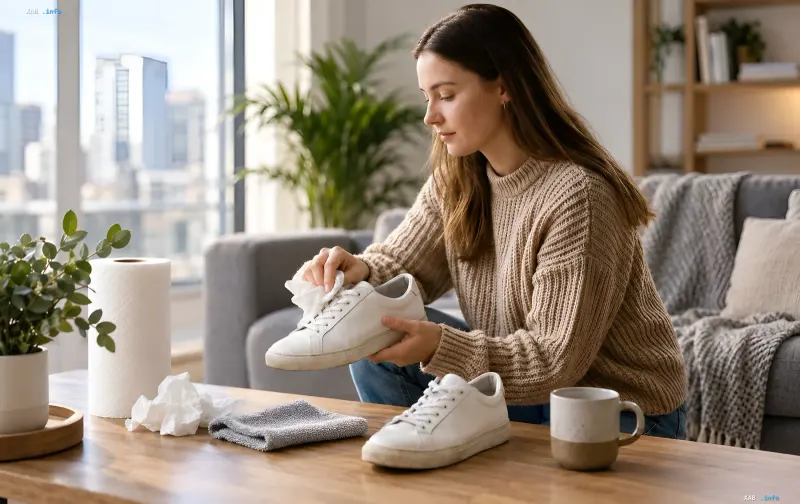
Upon returning home, do not leave a wet pair in a closed hallway hoping the moisture will evaporate on its own. First and foremost, experts from brands Clarks and Nike recommend removing removable insoles and loosening the lacing or unzipping zippers as much as possible to allow airflow inside. Next, gently remove excess water from the outer surface using a dry cloth or towel. Leaving a pair as is without prior blotting is impractical as it delays the drying process.
Using Paper and a Fan
A classic and effective way to pull moisture from hard-to-reach areas, especially around the toe box, remains paper. It is recommended to stuff the shoes with crumpled newspaper or paper towels, using clean white paper for light-colored linings to prevent printing ink stains. Do not pack the pair too tightly to avoid deformation. Replace the paper with dry sheets as it gets wet. To speed up drying without thermal exposure, specialists advise using a regular household fan, directing a stream of air at the open shoes for several hours.
Specific Care for Leather, Suede and Sneakers
Different materials require a strictly individual approach to restoration after rain. Natural leather must dry exclusively naturally at room temperature, after which it is useful to treat it with a special protective agent to maintain softness. Suede must never be rubbed intensively while wet — let it dry in its original state and only then clean it with a brush. Sports shoes and sneakers must never be put in a tumble dryer, as high temperatures destroy the glue and deform the structure.
The Importance of Proper Drying and Moisture Control
Avoiding heaters and radiators directly impacts the durability of shoes by preventing leather cracking and sole detachment. Before putting the pair away in a closet or wearing them the next day, it is important to thoroughly check the inside with your hand to ensure the lining and insoles are completely dry. Neglecting this rule and storing damp shoes in closed boxes will guarantee the appearance of an unpleasant odor and fungus.