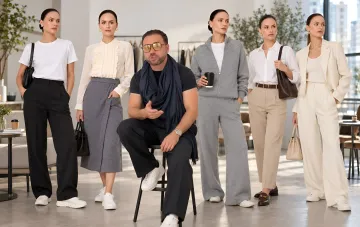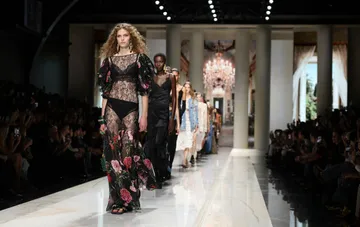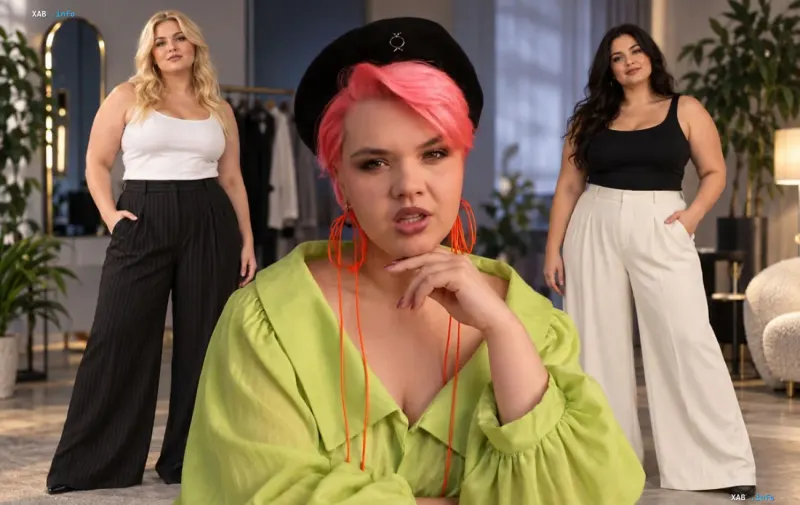
Wide-leg palazzo pants have remained one of the most prominent fashion trends for several seasons now. They add elegance to any outfit, pair wonderfully with both heels and sneakers, and can visually elongate the silhouette. However, sometimes during a fitting, instead of the desired effect, the mirror reflects a shapeless volume that hides all the benefits of the figure. Ukrainian stylist Olena Shevchenko shared her professional secrets on how to correctly choose and style this popular wardrobe staple.
Secrets of the Right Cut and Fit
If wide trousers don't look appealing on you, it doesn't mean the style is entirely wrong for your body type. The issue often lies in the poor cut of a specific model. Styles that flare out sharply right from the waistline can create unwanted volume around the abdomen and hips. Consequently, proportions may appear less expressive and the overall silhouette looks overly massive. Experts recommend looking for palazzo pants that fit cleanly at the waist, gently follow the contour of the buttocks and upper hips, and only flare downward starting from the widest point of the hip.
This thoughtful cut helps balance proportions, visually lengthen the legs, and emphasize natural body lines. The trousers remain wide and airy without creating an impression of excessive fabric accumulated around the body. Choosing the right material is equally important: overly thin and soft fabrics can cling awkwardly or gather in unsightly creases, whereas a fabric that holds its structure while gracefully moving during a walk is generally a much better choice.
Color Palette and Monochromatic Combinations
Color choices significantly influence the overall impression of an outfit, even though color itself cannot change the anatomical cut of the garment. Universal options like black, dark blue, and graphite are easy to combine with various tops and look especially striking in models with long straight legs. If you want to add depth to your wardrobe while steering away from standard black, chocolate brown and dark olive serve as stylish alternatives.
Fans of lighter tones—such as beige, milk, and light gray—should carefully assess fabric density so the material does not become translucent or highlight unwanted folds. Creating monochromatic combinations, where pants and top share close shades, builds a continuous vertical line that can make the figure appear taller. Moreover, you should not shy away from light-colored palazzo pants out of fear of adding bulk; proper fit and quality dense fabric solve this issue successfully.
Details, Pant Length, and Proper Footwear
Particular attention during shopping and fitting should be paid to pant length and minor details. Excessively short wide trousers can visually shorten the legs, while overly long versions bunch up messily around the shoes. The ideal length is when the pant legs fall gracefully without forming a large accordion fold at the bottom. It is crucial to try palazzo pants on with the exact shoes you plan to wear them with. If the trousers feature front pleats, tucks, or pockets, check whether they pull or gap apart during movement to ensure a true fit.
The Significance of the Trend and Style Rules
The main takeaway from modern stylists is that you shouldn't hide your figure under unnecessary layers of fabric or abandon trends due to a single unfortunate fitting. Well-chosen palazzo pants do not mask the body; instead, they work with its natural proportions. As fashion experts note, palazzo pants have deep historical roots and continue to evolve as an essential part of a modern woman's capsule wardrobe.