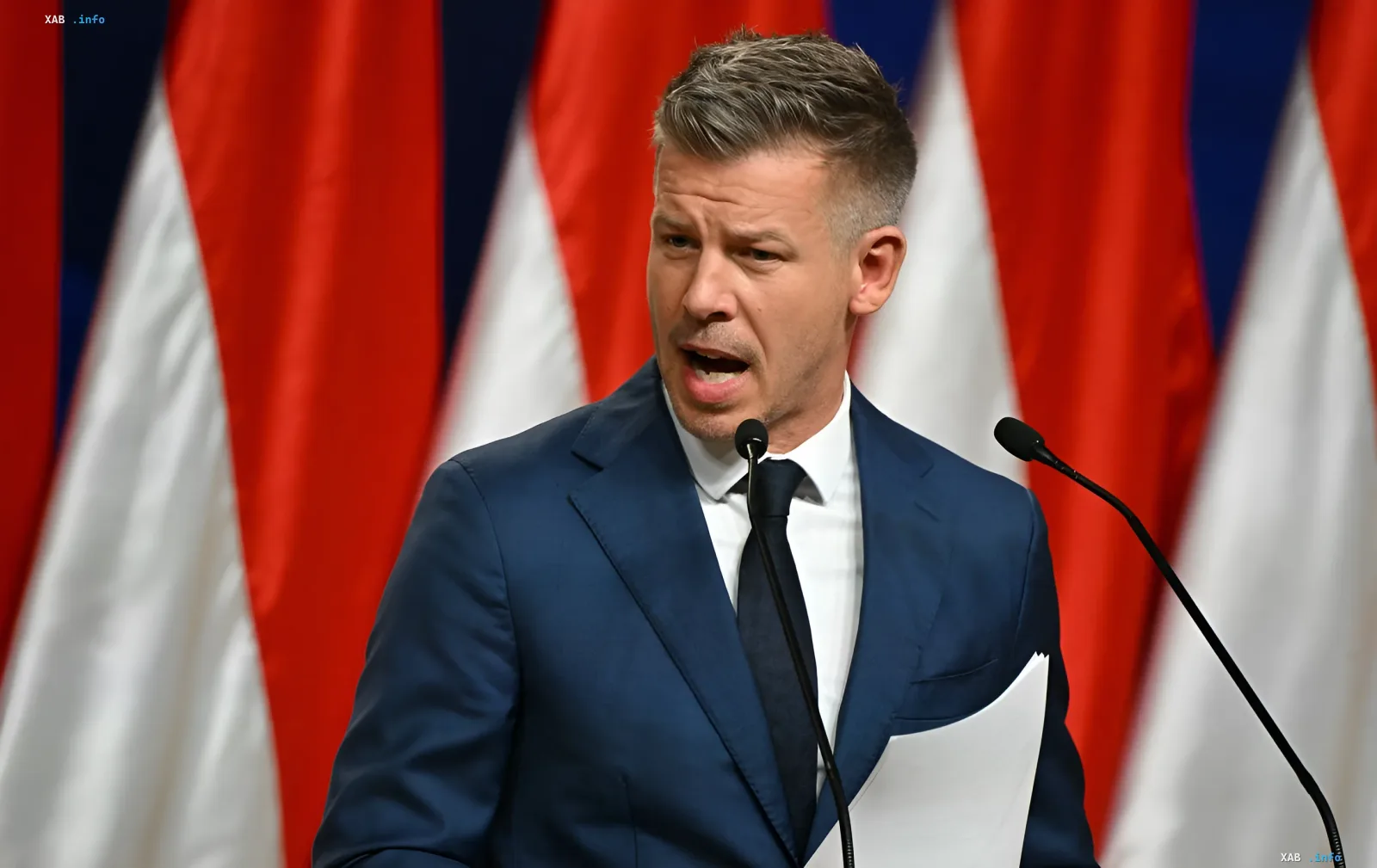
A precedent has been set in Hungarian political life: lawmakers have unanimously voted for a massive reduction in their own income and the abolition of certain privileges. The initiator of this radical measure to save budget funds is the country's new Prime Minister, Péter Magyar.
Salaries to drop by 40%
The changes will take effect next month. The basic salary of a parliamentarian will be reduced by 40 percent. The politician's monthly income will now be equivalent to €3,690 before tax. Prior to this decision, the income of Hungarian lawmakers exceeded the country's average salary by three times.
The cuts affected not only ordinary MPs but also top officials: the Prime Minister, the Speaker of the Parliament, and committee chairs. Furthermore, politicians have had their mobile phone expense reimbursements completely abolished. Allowances for the rent of office premises and housing, as well as funds for maintaining personal staff, have been significantly reduced.
Unanimous decision
189 out of 199 MPs voted in favor of the bill, indicating full support for the initiative. The Prime Minister himself explained the necessity of such strict measures as a desire to show humility to the voters.
According to government calculations, the funds saved by these measures cover the state's operational expenses for an entire year. Magyar directly links the reform to the consequences of years of corruption and has announced plans to reduce mayors' salaries, although this decision has already met with resistance at the local level.
Fighting Orbán's legacy
The main goal of the new government is declared to be the fight against the misappropriation of state funds. Experts cite shocking estimates of the damage caused by systemic corruption: during the 16 years of the former head of state, Viktor Orbán, in power, the country lost about €186 billion.
Diplomatic breakthrough with Ukraine
Alongside internal reform, Hungary is demonstrating activity on the foreign policy front. The country's authorities have announced an agreement with Ukraine regarding the rights of the Hungarian minority. This issue, which previously blocked negotiations on Hungary's accession to the EU, is close to resolution.
Magyar noted that the Ukrainian government has agreed to introduce agreed-upon changes into the legislation. Now, students in classes taught in the languages of national minorities will be able to use their native language not only during lessons but also in communication with each other and with teachers during free time.
Furthermore, Hungary has unblocked funds from the European Peace Facility, which can be directed towards the purchase of air defense systems for Ukraine. The decision on the use of these funds has already been agreed upon at the level of European ambassadors.


