

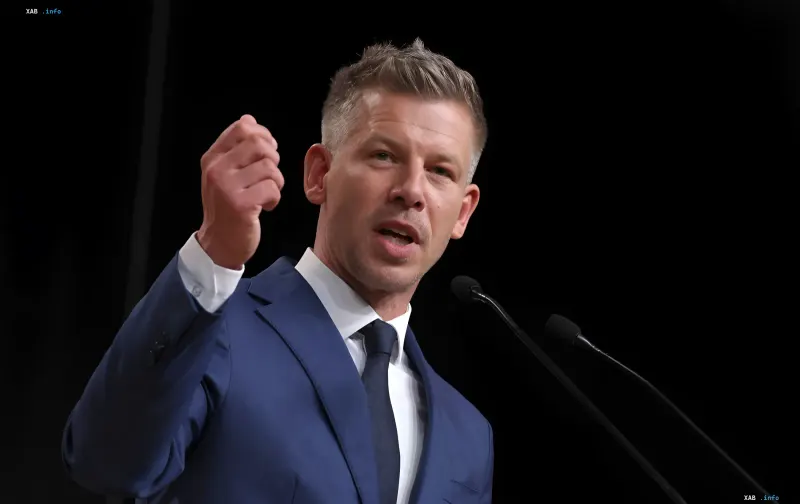
The political landscape in the European Union has undergone significant changes following the change of power in Hungary. The new government, led by Prime Minister Péter Magyar, has begun to adjust the country's foreign policy course, which was previously shaped by Viktor Orbán. One of the first and most resonant steps by the new leadership was the lifting of the blockade on key decisions within the framework of the European Peace Facility (EPF).
The end of a two-year blockade
For two years, Budapest has used its veto right to block compensation payments to EU member states that transferred weapons to Ukraine. The European Peace Facility mechanism was created to reimburse states for about 40% of the cost of ammunition and equipment transferred from national army stocks. However, since decisions on the fund are made unanimously, Hungary's position paralyzed the system.
According to Politico, due to the blockade by Orbán's government, unpaid compensation totaling more than €40 billion has accumulated. Lifting the veto by the new Hungarian leadership allows for the immediate unblocking of approximately €6.6 billion. The change in Budapest's position became known during a meeting of the EU Committee on Political and Security Affairs.
Reaction of European diplomats
European diplomats confirmed the information about the lifting of the veto, calling this step an important signal for the entire bloc. According to one of Politico's sources, this decision will serve as "positive reinforcement" for countries that have provided the most support to Kyiv.
"Now they will finally receive certain compensation, which will also make the burden sharing more even," noted a diplomat. This means that states actively involved in military aid will be able to compensate their expenses and replenish their stocks.
What will the unblocked funds be used for?
After the veto is lifted, EU countries must agree on further rules for the use of fund resources and the procedure for new compensations. However, Ukraine has already outlined its priorities. Kyiv has called on partners to direct part of the unblocked resources to the purchase of additional Patriot air defense systems and missiles for them.
Ukrainian Foreign Minister Andrii Sybyga proposed using the reimbursed funds to purchase air defense systems in the US. This should take place within the framework of the "Ukraine Priority Requirements List" (PURL) program, led by NATO. This approach will allow for the rapid strengthening of the protection of Ukrainian cities from missile attacks.
Prospects for European integration
The change of course in Hungary concerns not only issues of military aid but also the process of Ukraine's accession to the European Union. Politico reports that Budapest is ready to unblock the start of negotiations on Ukraine's accession to the EU. This decision will be made after consultations on the rights of the Hungarian minority.
In the event of this scenario, Ukraine and Moldova will be able to move to the next stage of European integration — opening the first negotiation cluster. This will be a significant step forward in the process of the countries' accession to the Union, which was previously frozen due to Hungary's position.


