A unprecedented political scenario is unfolding in Hungary. The country's parliament has adopted the 17th amendment to the Constitution, which effectively initiates the procedure for removing the incumbent president, Tamás Sulyok, as well as the President of the Constitutional Court. This decision marks the first step in a radical restructuring of state power.
Opposition Boycott and the Will of the Majority
The vote passed with an overwhelming majority: 139 deputies voted in favor of the amendment, while only six parliamentarians voted against. Representatives of the former ruling party, Fidesz, and their allies decided not to participate in the session, declaring a boycott. However, their absence failed to stop the process initiated by the new government.
Accusations of Betraying the Constitution
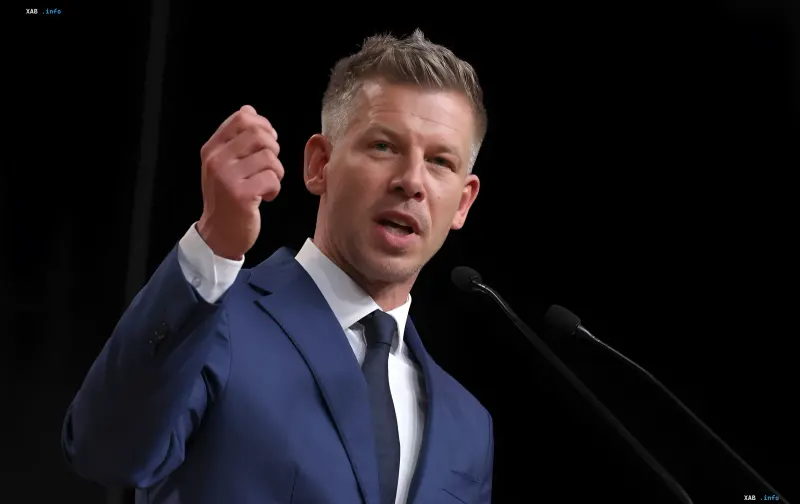
The initiator of these sweeping changes is the incumbent Prime Minister and leader of the Tisza party, Péter Magyar. In his address to the parliament, he severely criticized the country's leadership, accusing them of serving narrow party interests. According to Magyar, President Tamás Sulyok has ceased to be a guarantor of the constitution and has become a tool in the hands of the old system.
"Every time he had to choose between constitutional principles and the interests of Fidesz, Tamás Sulyok repeatedly chose the interests of Fidesz and continues to do so to this day," Magyar declared.
Five Days Until Impeachment
The situation for President Sulyok is becoming critical. He has only five days to sign the document accepting the amendments. If he does not sign, Magyar has promised to launch the impeachment procedure directly in the parliament hall. A similar fate awaits the head of the Constitutional Court, Péter Polt, who will also leave his post as part of the new reform.
Liquidation of the "Political Mafia"
The new political reform introduces strict term limits for deputies. The mandate of a people's representative is now limited to 12 years. This innovation puts an end to the careers of many allies of the former Prime Minister, Viktor Orbán. Magyar calls these measures the liquidation of the "mafia" built during the last 16 years of Fidesz rule.
The law is aimed at the complete dismantling of the opposition party's influence. Deputies who have "sat in their chairs" for more than 12 years will no longer be able to run for elected office. The amendments also exclude the possibility of Viktor Orbán returning to the post of Prime Minister.
Media Purge and Declassification of Archives
Following his election victory, Péter Magyar began a global purge in politics and the media inherited from the Orbán era. State broadcasters are undergoing reform. One of the TV channels, previously controlled by Orbán, has already publicly apologized for years of spreading lies.
Furthermore, the government plans to declassify files from the communist-era secret services and publish the names of former informants. Access to these archives was closed specifically due to Orbán's position. Despite his defeat, Viktor Orbán does not intend to leave politics and will continue to lead the Fidesz party as the opposition leader.