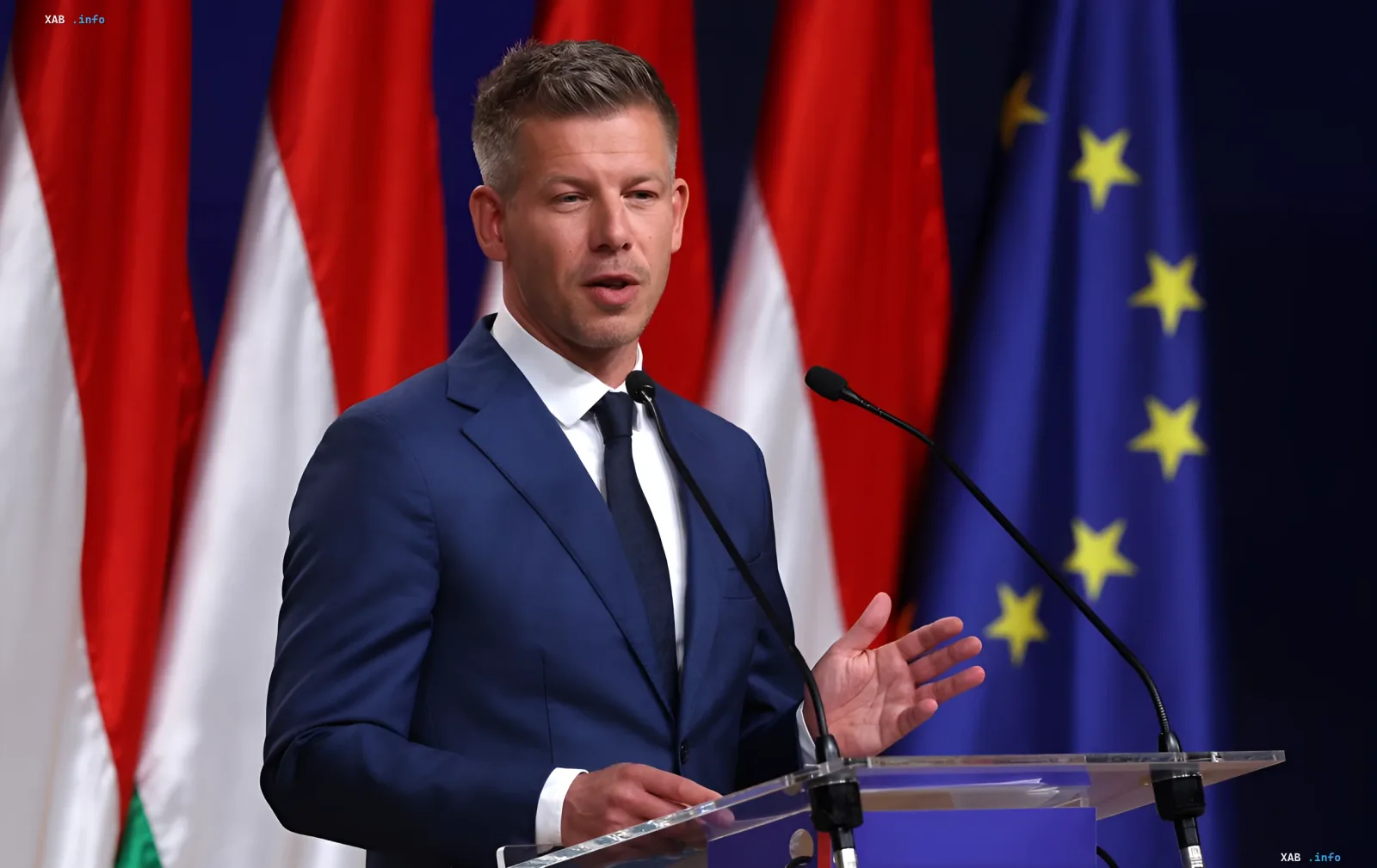
Hungary is preparing for a historic event that could reshape the country's understanding of its past. New Prime Minister Péter Magyar has announced plans to declassify files from the communist-era secret services and reveal the names of informants. This step, awaited for over 37 years, will be part of a process of national cleansing and the restoration of historical justice.
70 Years Later: Time for Truth
The documents will become available by October 23 — the anniversary of the 1956 Hungarian uprising against Soviet domination. This event, which became a symbol of the struggle for freedom, will now be re-examined from a new perspective. Magyar emphasizes that the nation must "face the truth" and understand how secret mechanisms of influence shaped its destiny.
Independent Committee and Transparency
To implement this large-scale project, an independent committee will be established to analyze the archives. The governing majority in parliament guarantees the adoption of the relevant law, making the process practically inevitable. The committee will include experts from various fields to ensure objectivity and completeness in the disclosure of information.
A Mistake of the Past: Concealing Archives
The concealment of archives is called Hungary's greatest mistake. It was precisely this that allowed former elites to maintain influence, manage the economy and government for decades. Even Viktor Orbán, the former Prime Minister, was no exception in this game. His administration frequently appointed former communists to key positions, which drew criticism from the opposition and civil society.
New Steps: Lifting Bans and Investigations
Since coming to power, Péter Magyar has already begun implementing his plans. Budapest has lifted the ban on Ukrainian media introduced under Orbán. Now, the Ukrainian community and refugees in Hungary will be able to receive news in their native language without restrictions. In addition, Magyar has ordered an immediate investigation into the National Tax and Customs Administration, the Anti-Terrorism Center, and other agencies involved in past cases.
What's Next?
This step opens a new chapter in Hungary's history. The declassification of archives could lead to unexpected discoveries and changes in public consciousness. However, it will also create challenges for the political system, which has long been built on informal connections and compromises. The future will show how successfully the country will cope with this process and whether it can use the information obtained to build a more transparent and fair society.


