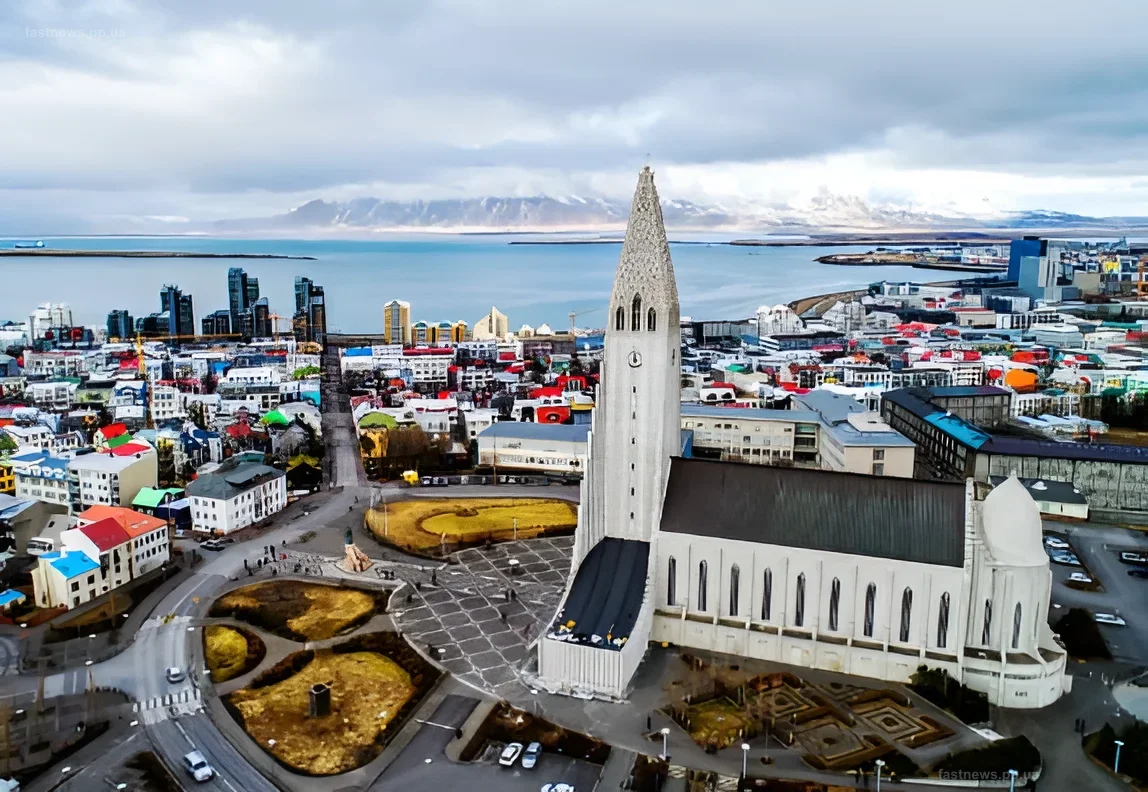
The global economic landscape has shifted: Iceland has reclaimed its status as the most expensive country on the planet, surpassing Switzerland for the first time in several years. This paradoxical turn of events, reported by Bloomberg, is the result of a rapid surge in prices in the Scandinavian republic that has outpaced even the famous Swiss cost of living.
Prices Higher Than in Zurich
Calculations by the Viska trade union, based on data from Eurostat and the Central Bank of Iceland, show that the price level in the country now exceeds that of Switzerland by three percentage points. The last time Icelandic prices were higher than Swiss prices was in 2018. While Eurostat data for 2024 still showed Switzerland's purchasing power-adjusted price level to be more than 7 points higher than Iceland's, the reality of 2025 has already changed this picture.
Tourism as an Engine of Inflation
The main driver of this economic phenomenon has been the post-pandemic tourism boom. For Iceland, tourism is not just an industry but the primary engine of growth, though it has a downside. Williammur Hilmarsson, an economist at the union, explains the situation simply: tourism drives inflation in the service sector. Demand pressure forces businesses to raise wages, which ultimately makes goods and services more expensive for everyone.
The housing sector has been hit particularly hard. Tourists booking accommodation through services like Airbnb compete directly with locals, draining available apartments from the market and driving up rental rates. The Central Bank is trying to curb this growth, but the task is becoming increasingly difficult.
The Paradox of Popularity
The situation has reached the point of absurdity: Iceland is becoming so expensive that it begins to deter the very tourists it is developing for. A recent survey by the National Tourism Council confirmed that high costs are already affecting the country's attractiveness to travelers.
A Turn Towards Europe?
Against the backdrop of internal economic turbulence, Iceland is considering external options for stabilization. On August 29, a referendum will be held in the country on resuming negotiations to join the European Union. The country applied for membership back in 2009 following the financial crisis but suspended the process in 2015, citing problems within the Eurozone. Now, facing its own inflationary challenges, Reykjavik is once again contemplating integration with the European market.


