Video games have long ceased to be a niche entertainment for a narrow circle of enthusiasts — their heroes have turned into global cultural symbols recognized by people who have never held a gamepad. Some characters gained fame thanks to Nintendo consoles, others became the faces of PlayStation, and still others received Hollywood adaptations and their own animated series. The stories of Lara Croft, Mario, Sonic, Pikachu, and Geralt clearly demonstrate how the gaming industry creates heroes that go far beyond screens. The Styler editorial team has gathered a selection of characters whose popularity has many times over exceeded the audience of their original games.
Lara Croft: From Tombs to Hollywood Screens
The British archaeologist who devoted her life to searching for ancient artifacts has become one of the most recognizable female images in pop culture. Lara explores abandoned tombs, lost cities, and dangerous ruins, solves riddles, and regularly finds herself in situations not everyone could escape from. The first Tomb Raider game was released in 1996: according to the plot, the heroine sets off in search of the mysterious Scion artifact, and her adventure turns into a large-scale confrontation with those who want to use ancient power. The character quickly became an international celebrity — Lara appeared on magazine covers, in advertising campaigns, and on the big screen. In 2001, she was played by Angelina Jolie, making the image even more recognizable outside the gaming audience. In a BAFTA poll summarized during the 20th BAFTA Games Awards, Lara Croft was named the most iconic video game character, surpassing Mario.
Mario: From Jumpman to Nintendo's Main Symbol
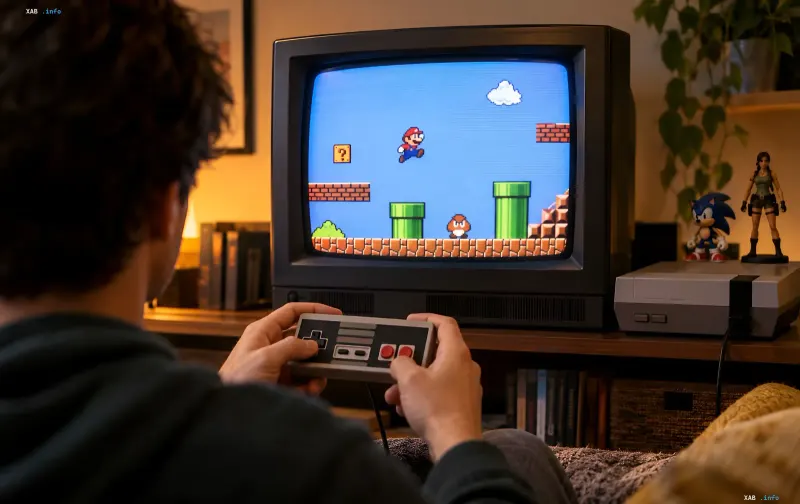
The mustached plumber in a red cap is one of the most famous characters in video game history. Notably, at first he didn't even have the name Mario: in 1981, the hero appeared in the arcade game Donkey Kong under the name Jumpman. Later he received his own series of games, and in Super Mario Bros he went to the Mushroom Kingdom to rescue Princess Peach from the villain Bowser. Along the way, he overcomes obstacles, collects power-ups, jumps across platforms, and fights various enemies. Mario's popularity became so massive that he turned into Nintendo's main symbol: his image appeared in animated series, comics, theme parks, and movies. Even people far from gaming usually easily recognize this hero.
Sonic: The Blue Hedgehog Who Changed the Industry of the 1990s
The blue hedgehog in red sneakers became one of the main symbols of the 1990s gaming industry. Sonic is distinguished by incredible speed, a daring character, and a readiness to challenge any rival. In the first Sonic the Hedgehog game released in 1991, the hero opposes Dr. Robotnik, who kidnaps animals, turns them into robots, and tries to seize the powerful Chaos Emeralds. Sonic has to overcome dangerous levels, collect rings, and ruin the enemy's plans. The character became Sega's response to Nintendo's popularity of Mario, and their rivalry turned into one of the most famous competitions in gaming history. Sonic received his own animated series, comics, and full-length films, introducing him to a brand-new generation of viewers.
Pikachu: The Yellow Pokémon Who Became the Face of Global Pop Culture
The small yellow Pokémon with red cheeks has become a true symbol of global pop culture. Pikachu belongs to the electric type of Pokémon and is capable of accumulating and releasing electrical discharges. The Pokémon world is built around trainers who catch fantastic creatures, train them in new abilities, and participate in battles. In the first games of the series, players traveled through the Kanto region, collected Pokémon, and aimed to become the best trainers. However, true worldwide fame was brought to Pikachu by the Pokémon animated series starting in 1997, where he became a constant companion of the main hero Ash Ketchum. Their friendship turned into one of the most famous stories in children's animation. Later, Pikachu appeared in dozens of films, collectible cards, toys, and advertising campaigns — today he is recognized even by those who have never launched a single Pokémon game.
Geralt: The Witcher Who Stepped Out of a Polish Studio into Global Rankings
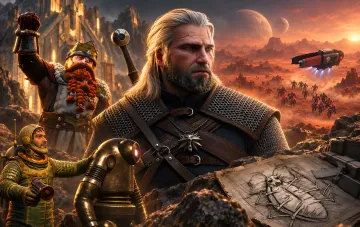
The white-haired witcher with two swords is the main character of The Witcher game series by the Polish studio CD Projekt RED. He lives in a fantasy world where monsters, mages, and supernatural creatures exist alongside humans. Geralt makes a living by hunting monsters, but his adventures are rarely limited to simple tasks: often he has to intervene in political conflicts, deal with human intrigues, and decide who to help when a right choice practically does not exist. The character gained special popularity after the release of The Witcher 3: Wild Hunt in 2015, where he searches for Ciri — a girl he considers family and who is threatened by the Wild Hunt. The game's success made Geralt an international celebrity, and the Netflix series starring Henry Cavill introduced the witcher to even more people previously unfamiliar with the gaming franchise.
Collectively, these examples demonstrate a steady trend: modern video games function as full-fledged factories of cultural heroes. Characters born in gaming worlds get a second life in movies, TV series, comics, and merchandise, and their recognition is measured no longer by millions of gamers, but by a global audience. That is why ratings like the BAFTA poll, where Lara Croft outpaced Mario, become an indicator of how the gaming industry shapes the common cultural code of entire generations.