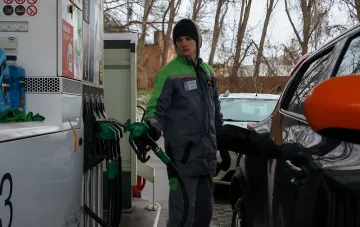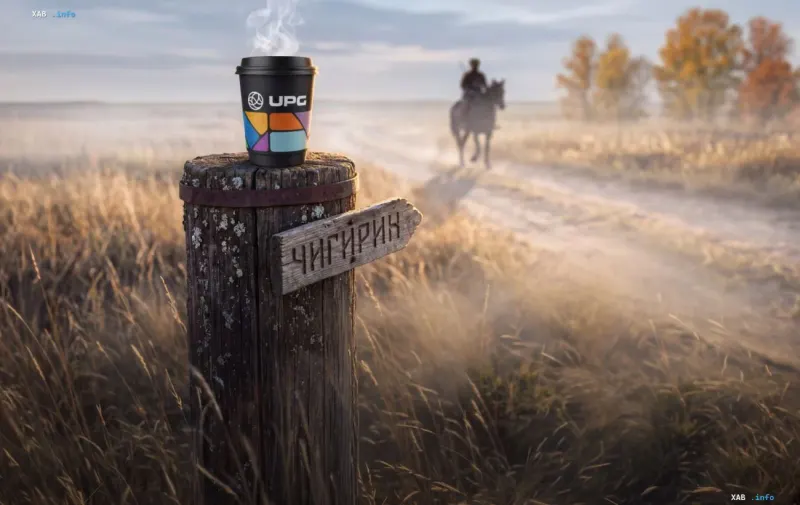
Modern drivers are accustomed to enjoying a cup of delicious coffee during a long trip within minutes at any roadside complex. However, our ancestors in the 17th century could only dream of such service. RBC-Ukraine, together with the UPG network, decided to imagine what coffee breaks of prominent historical figures would look like if modern service standards had appeared centuries earlier.
Coffee Diplomacy of Hetman Bohdan Khmelnytsky
During the times of Bohdan Khmelnytsky, foreign ambassadors constantly arrived at his residence in Chyhyryn with diplomatic missions. The Hetman dearly loved coffee and always treated his guests to it, but for Europeans at the time, this bitter Turkish drink was quite an exotic novelty. Tasting it turned into an etiquette test, as diplomats had to force themselves to finish the serving to the bottom so as not to offend the host.
If a modern UPG complex had already been operating on the way to Chyhyryn, this diplomatic tradition would have had a much more pleasant aftertaste. After an exhausting journey, ambassadors could have caught their breath, enjoyed a hearty lunch with fresh dishes at VIVO café, and gathered their thoughts before important negotiations. Instead of a bitter Turkish drink, they would have relished a mild latte or flat white, while the Hetman himself would have stayed focused thanks to a rich dopio.
Kamianets-Podilskyi Coffee Houses and Parking for Horses
If one looks for the origins of Ukrainian coffee mania, the road inevitably leads to Kamianets-Podilskyi. At the end of the 17th century, during Ottoman rule, the first coffee houses in Ukraine appeared here, numbering at least ten within a few years. The UPG complex concept would have fit perfectly into this infrastructure, where horses rather than cars would be refueled.
Ottoman riders would leave their steeds in a spacious parking lot where top European standard fuel — selected oats and fragrant hay — awaited the animals. While the animals rested, guests would come in for coffee, receiving espresso macchiato or Americano with milk in a convenient to-go format within minutes instead of long boiling over hot sand.
Patrick Gordon's Business Breakfasts in Kyiv
The tradition of business coffee meetings came to the Ukrainian capital in 1678 with Kyiv's commandant, Scotsman Patrick Gordon. At his meetings, he invariably treated guests to strong black coffee without a single drop of sugar, and officials eventually got used to this routine. The appearance of a modern UPG complex at the entrance to Kyiv would have allowed officials to choose drinks to their taste, while Patrick Gordon would likely have traded the strict recipe for a gentle cappuccino or matcha latte.
The popular historical myth states that Ukrainian Yuriy-Franz Kulchytsky taught all of Europe to drink coffee after the Siege of Vienna in 1683. Today, Ukraine's coffee culture has come a long way and has become an integral part of daily life, connecting the pursuit of comfort across centuries.