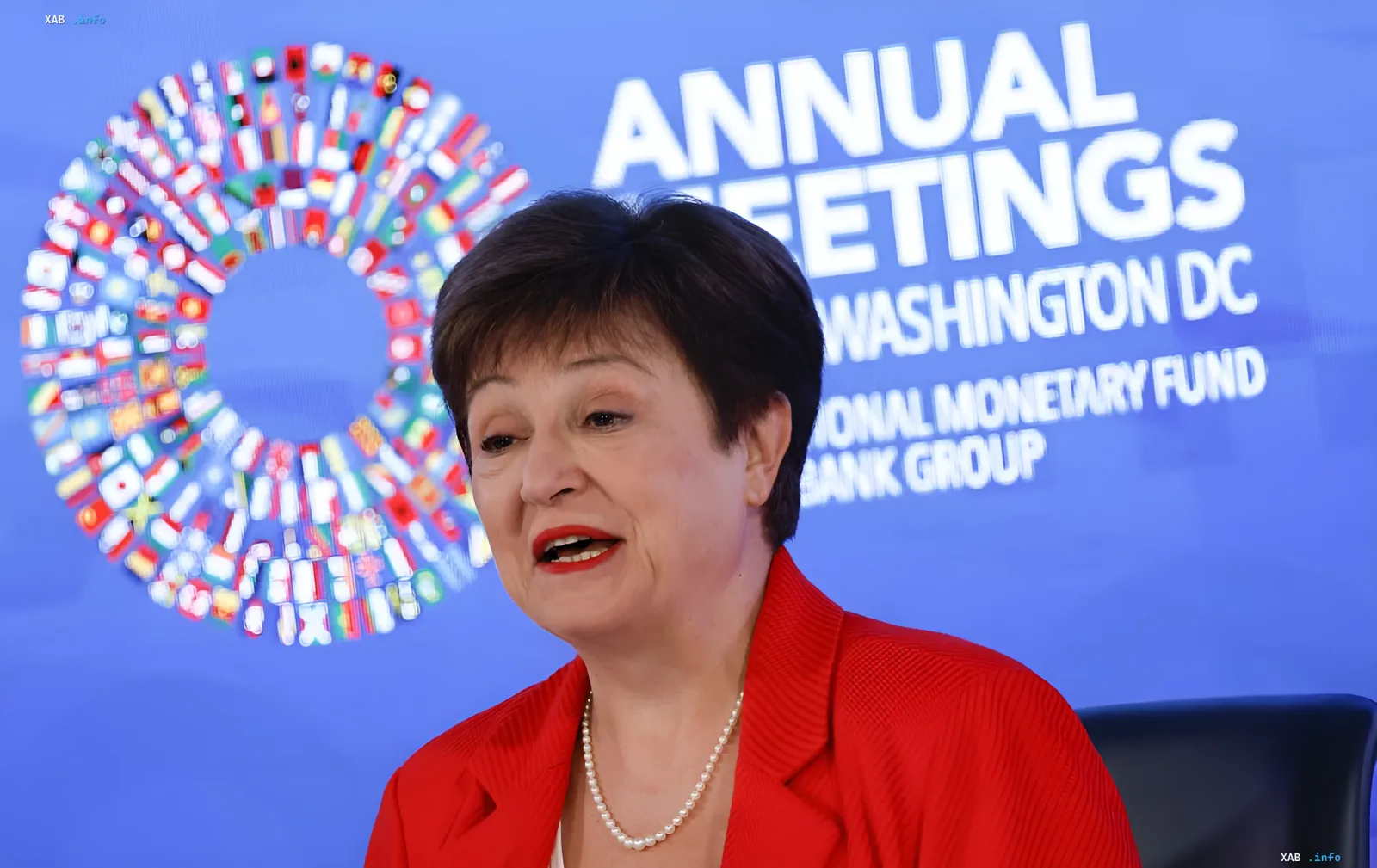
The Executive Board of the International Monetary Fund (IMF) has officially approved the first review of the four-year Extended Fund Facility (EFF) program for Ukraine. This decision unlocks access to a new tranche of funds, which will be critical for maintaining the state budget amid the ongoing military conflict.
Financial breakthrough: $690 million
According to the National Bank of Ukraine (NBU), the approval of the program review gives Kyiv immediate access to financing of 503 million Special Drawing Rights (SDRs). In dollar terms, this amount is approximately $690 million. These funds will be directed directly to support the deficit state budget.
After the disbursement of this tranche, the total amount of funds received by Ukraine under the EFF program will reach $2.2 billion. The program itself, totaling $8.1 billion, is fully financed by international partners under both the baseline and pessimistic scenarios.
Economy under pressure: how is it holding up?
In an official release, the IMF notes a paradoxical situation: despite the ongoing war, a difficult external environment, and extremely high risks, the Ukrainian economy has maintained macroeconomic and financial stability. The Fund attributes this success to the government's balanced economic policy, effective cooperation with international institutions, and significant donor support.
However, economic prospects remain under threat. IMF experts point to a deterioration of the situation due to intensified attacks on the country's critical infrastructure, as well as the negative consequences of the conflict in the Middle East, which are affecting global markets.
Reforms and new requirements
To receive financing, Ukrainian authorities have agreed to adopt corrective measures and revise the timelines for implementing key reforms. Kyiv has confirmed its commitment to the program's goals in four key areas:
- Fiscal policy;
- Anti-corruption efforts;
- The energy sector;
- The financial system.
The IMF emphasizes that timely and expected external support remains vital not only for maintaining current stability but also for the country's future recovery. Article IV consultations identified the main tasks for economic growth that must be addressed for successful post-war reconstruction.