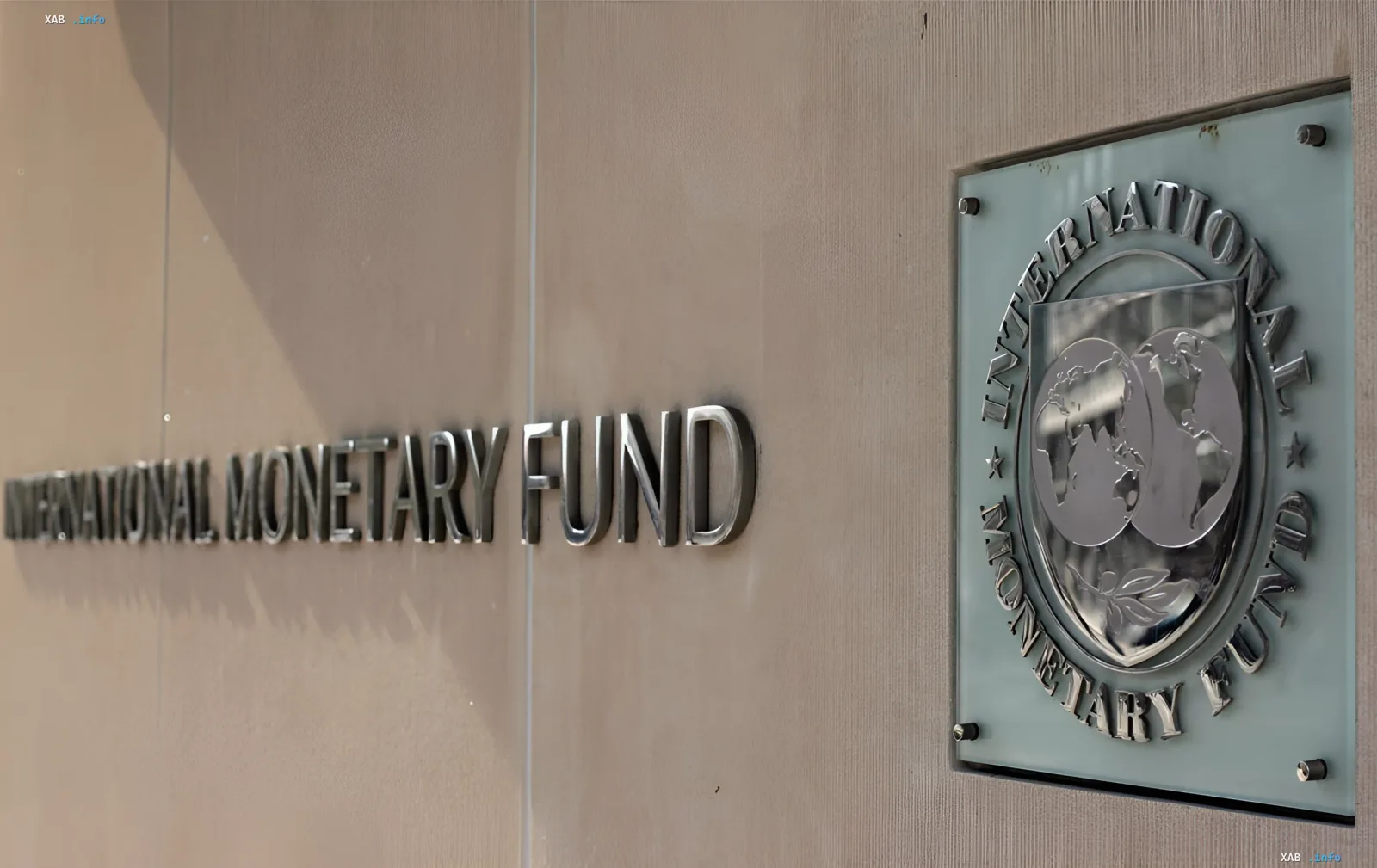
Next week, against the backdrop of a growing shortfall in the Ministry of Defense's funds, a mission from the International Monetary Fund will begin its work in Ukraine. This is reported by RBC-Ukraine in a piece on the budgetary "hole" in the defense department. The visit is of a working nature: experts will assess the execution of the current year's state budget and the preparation of the budget for the following year.
IMF Mission: Working Visit and Key Deadlines
According to the outlet, the mission will assess the execution and needs of the budget through the end of the current year, as well as familiarize itself with the preparation of the budget for the next year. The budget draft, as noted, must be submitted to the IMF Board by September 15. It is precisely this deadline that makes the experts' visit particularly sensitive: the mission's conclusions will directly affect whether Kyiv will be able to agree on the parameters of the next financial plan.
Defense Ministry Shortfall: $27 Billion
The issue of additional funding, according to RBC-Ukraine's assessment, has become especially acute against the backdrop of a funds shortfall at the Ministry of Defense, which, according to the outlet, has already reached $27 billion, or about 1.2 trillion hryvnias. Of this amount, an additional $8–10 billion needs to be raised by the end of 2026 for armaments and other military expenses. A further nearly $20 billion, by estimates, will be required for payments to military personnel, families of the deceased, and other war-related expenses.
What the Experts Will Check and Why
The outcome of the mission's work should be an understanding of whether Ukraine needs additional financing and how this need can be met. IMF experts, as a rule, analyze macroeconomic indicators, the state of public debt, and the sustainability of budgetary rules. In a situation where a significant share of spending is concentrated in the defense sector, their assessment becomes a key factor in further negotiations on credit lines.
Contradictory Data
It is worth paying attention to the chronology here. In the base RBC-Ukraine material, the mission is said to begin work "next week," that is, in early September 2026. At the same time, a number of other sources — including minfin.com.ua (a piece dated May 27, 2026), gazeta.ua, and obozrevatel.com — describe an IMF mission that has already arrived in Kyiv to assess the fulfillment of the credit program's conditions. Judging by the dates, these publications refer to an earlier visit (May 2026). Thus, in the public space two different events are being mixed up: the May mission to check the program's conditions and the expected September working visit. The $27 billion shortfall figure is also cited primarily by a single source (RBC-Ukraine), so it should be treated as the outlet's estimate rather than as officially confirmed departmental statistics.
Context: Previous Attempts to Agree on the Shortfall
Previously, Ukraine had already tried to agree with the IMF an increase in the state budget deficit to finance military spending, but did not receive the fund's consent. This circumstance raises the stakes of the current visit: if the mission confirms the need for additional financing, Kyiv will have an argument for revising budgetary limits; if, however, the experts deem the deficit unsustainable, pressure on fiscal discipline may intensify.
Note: This material is prepared for informational purposes only and does not constitute financial or investment advice. Investments involve risk, including the possible loss of capital. It is recommended to consult a licensed financial advisor before making investment decisions.