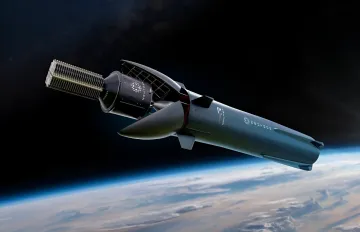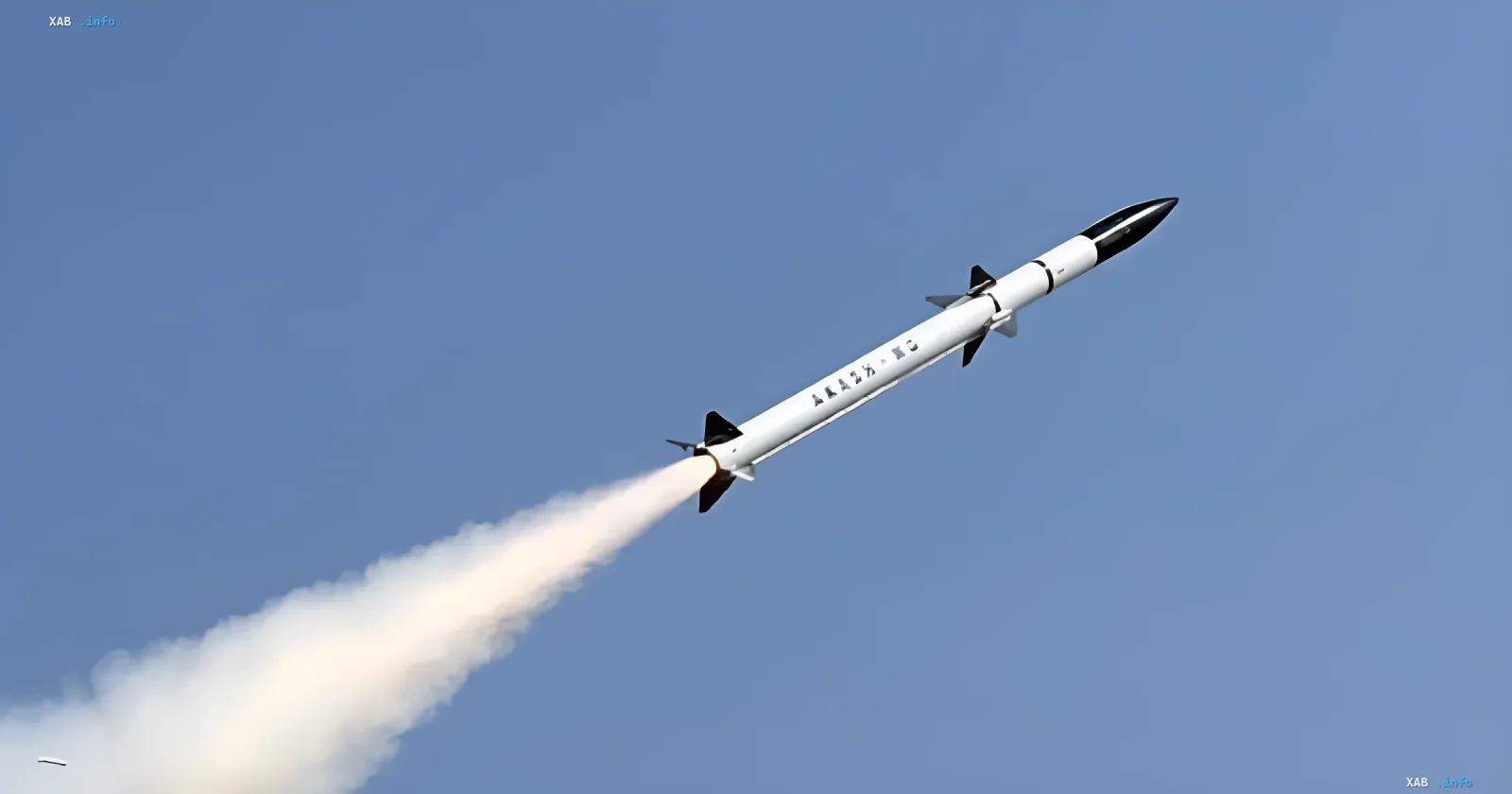
India's space industry has made a historic leap forward. Skyroot Aerospace successfully launched its first private orbital rocket, Vikram-1, from the Satish Dhawan Space Centre in Sriharikota. The mission, named 'Aagman', marked the first time a private Indian company independently designed, manufactured, and launched an orbital launch vehicle.
Technological Breakthrough and Rocket Design
The Vikram-1 rocket, standing as tall as a seven-story building, demonstrated stable performance across all four stages. Constructed from ultra-lightweight and ultra-strong carbon composite materials, it is capable of delivering payloads of up to 350 kg to Low Earth Orbit (LEO).
A key feature of the design is the hybrid propulsion system developed by Skyroot itself. It combines high-efficiency solid-fuel engines with power units manufactured using 3D printing technology. This solution underscores India's drive to master advanced rocketry and reduce production costs.
Significance of the Mission for the Indian Economy
The successful orbital insertion of the satellite places India in an exclusive club of nations possessing commercial enterprises capable of developing and operating independent launch systems. Prior to this, in 2022, Skyroot had conducted a suborbital flight with the Vikram-S rocket, but 'Aagman' signifies the transition to full-fledged commercial orbital launches.
During the maiden orbital flight, demonstration payloads from the company and its partners were delivered. The data obtained will serve as the foundation for refining the 'Vikram' rocket family and preparing for future commercial contracts.
Leadership Reaction and Prospects
Indian Prime Minister Narendra Modi congratulated the Skyroot Aerospace team, calling this success a significant milestone for the country's innovation ecosystem. According to the nation's leader, the growing involvement of the private sector opens new horizons and inspires the younger generation to dream boldly and innovate.
Experts note that the mission's success confirms the effectiveness of the policy to open the space sector to private investment. This strengthens India's technological self-reliance and creates a base for developing dual-use technologies necessary for Earth observation, communications, navigation, and defense.
Skyroot Aerospace, founded in 2018 by two former engineers from the Indian Space Research Organisation (ISRO), has proven its ability to compete in the global market, ushering in a new era of private spaceflight development in Asia.