
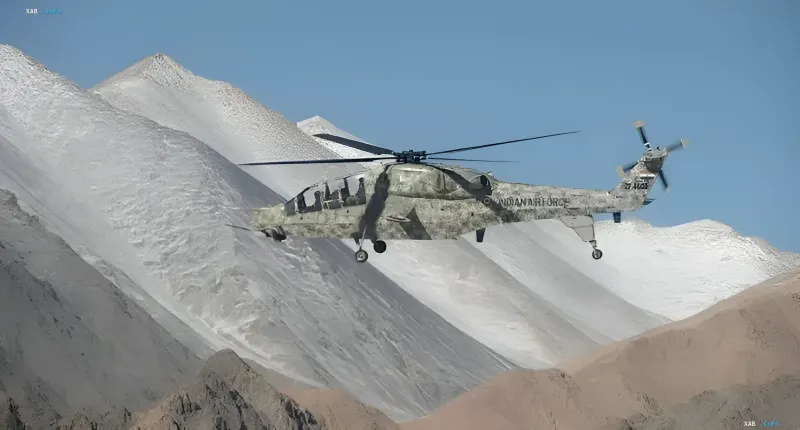
In harsh climatic zones where temperatures drop below the point at which traditional fuel turns into a thick sludge, the mobility of military equipment often becomes impossible. The Indian Army has announced a solution to this critical problem by presenting a new type of diesel fuel capable of retaining its properties even in extreme cold.
Technological breakthrough in extreme conditions
The Chief of Army Staff, General Dhiraj Seth, officially presented Xtreme Weather Grade (XWG) diesel fuel. The key feature of this product is its ability to function effectively at temperatures down to -42 degrees Celsius. This solution aims to eliminate the main drawback of traditional diesel: its tendency to thicken and subsequently clog fuel filters in freezing conditions.
The development was the result of collaboration between military experts and oil trading companies. The project was implemented in record time—just one year. General Seth called this development revolutionary, emphasizing that it can radically improve the mobility, combat readiness, and reliability of military equipment.
Compatibility and safety
An important aspect of implementing XWG is its technical compatibility. The fuel fully complies with national quality and emission standards. This means that existing vehicles and logistics equipment can use this new type of fuel without the need for expensive engine modifications or re-certification.
According to the command, the use of XWG eliminates the need for a number of measures previously required to maintain equipment operability in the cold. This not only simplifies logistics but also directly affects the safety and morale of the personnel, who will no longer depend on the whims of the weather when performing tasks.
From military needs to the civilian sector
Although the initial goal of the development was to supply the army, the potential of the fuel is not limited to military bases. According to plans, XWG can be adapted for civilian use. This is particularly relevant for the high-altitude regions of India, as well as for regions with harsh winters where transport infrastructure often suffers from frost.
General Seth praised the development team and expressed hope that this model of cooperation would become a benchmark for creating new fuel technologies that meet various operational requirements.
A step towards energy independence
The launch of production of the new fuel is seen as a significant step within the national "Atmanirbhar Bharat" (Self-Reliant India) program. The initiative is aimed at boosting the potential of domestic defense production and reducing dependence on foreign technologies. Creating fuel capable of operating in conditions where imported analogues might fail is a vivid example of the implementation of this strategy.


