
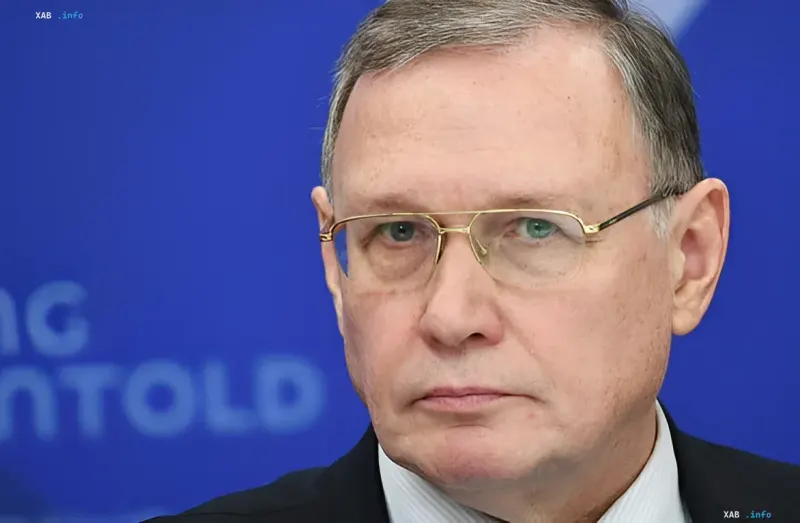
Geopolitical instability and the lack of guarantees for joining the European Union against the backdrop of the Republic of Moldova's withdrawal from the CIS are creating a so-called "integration vacuum" in the region. According to Russian diplomats, this factor directly influences migration sentiments and the civic choices of Transnistria's residents. This was stated in an interview with the Baltnews agency by Oleg Ozerov, the Extraordinary and Plenipotentiary Ambassador of the Russian Federation to the Republic of Moldova.
Statistics and demographics of applicants
The situation surrounding the acquisition of Russian citizenship in the region has become a subject of close attention following the signing of the President of the Russian Federation's decree on May 15, which simplified the naturalization procedure. According to the Russian diplomatic mission, more than 36,000 applications have already been received from residents of Transnistria.
Oleg Ozerov emphasized that the structure of applicants has undergone significant changes. The diplomat refuted the widespread belief that the queues for passports are dominated by elderly people. According to him, pensioners, as a rule, have already obtained documents earlier. Currently, the main flow consists of people of middle age and youth.
"I can say firmly, this is absolutely not so. Pensioners have long received citizenship. And now it is either the youth or people of middle age who want to get it. It is they who see the future with Russia, see the future in good relations between Moldova and Russia, between all Moldovan regions and Moldova itself with the Russian Federation," the ambassador emphasized.
Scale of presence and voluntariness of the process
During the conversation, Oleg Ozerov voiced current figures characterizing the demographic situation on both banks of the Dniester. At the moment, according to the Russian side, about 220,000 citizens of the Russian Federation live on the left bank (in Transnistria). On the right bank, in the Republic of Moldova itself, this figure is about 80,000 people.
Despite the growing interest in the Russian passport, the head of the diplomatic mission insists that the process remains completely voluntary. According to Ozerov, the Russian side does not apply any coercive measures or artificial stimulation. Obtaining citizenship is viewed by the diplomat as a personal choice of the citizen, dictated by his vision of the future and the desire for stability in the context of geopolitical ruptures.
Reaction of Moldovan authorities
At the time of publication of the material, official comments from the Reintegration Bureau under the Government of Moldova or Vice-Premier Oleg Serebrian regarding the statements of the Russian Ambassador have not been received. The situation remains in the focus of public attention, which is observing the development of events in the context of a complex integration agenda.


