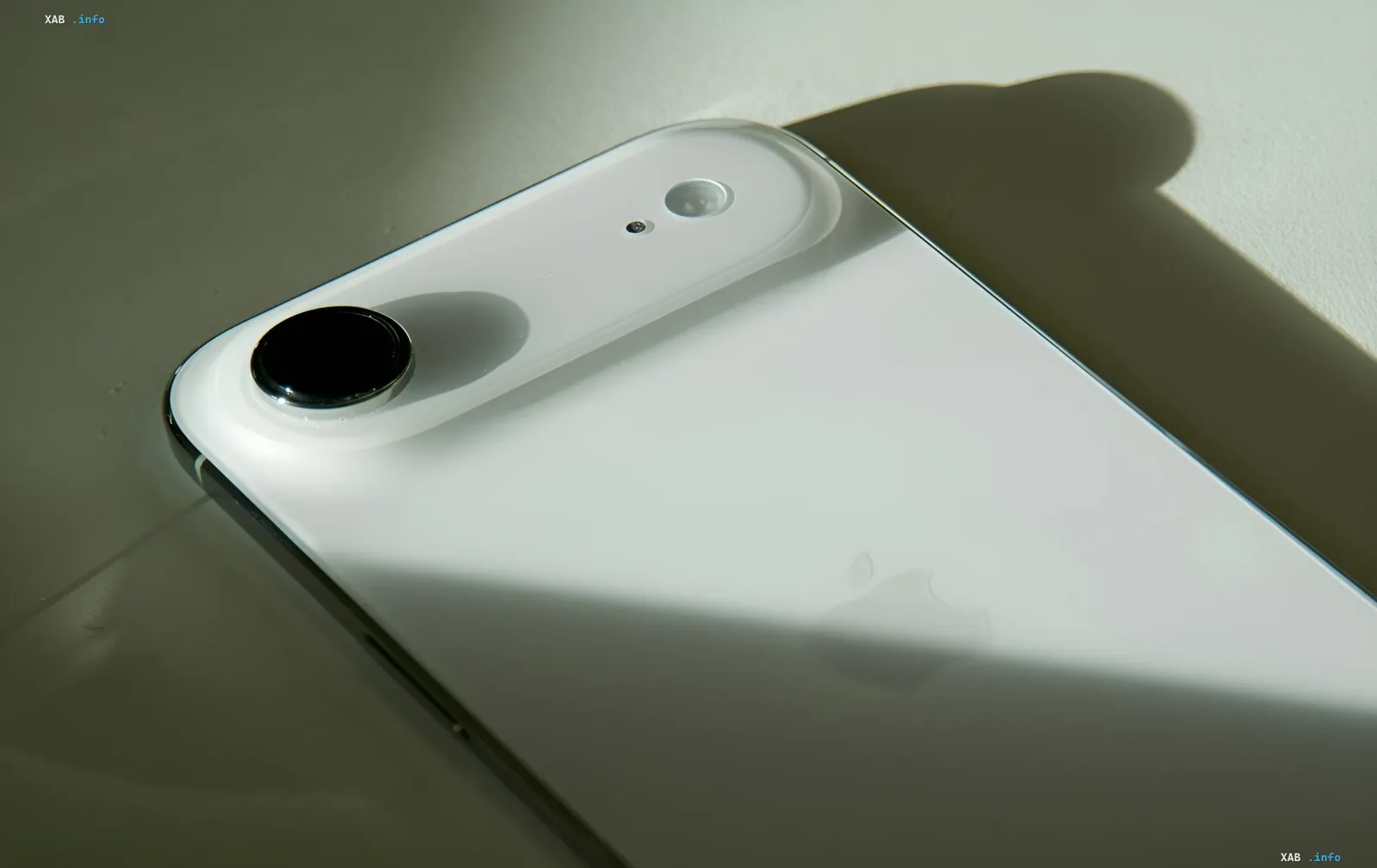
Apple is not giving up in the race for a unique design. Despite the lukewarm reception of the first ultra-thin smartphone, the company plans to release the second generation of the iPhone Air model. This is reported by RBK-Ukraine citing data from Bloomberg.
Lessons from the past: why the first Air didn't become a hit
The debut of the first iPhone Air last autumn did not bring the expected triumph. The smartphone, positioned as a record-thin gadget, faced harsh criticism from users and experts. The main stumbling block was the compromises engineers had to make to achieve an extremely compact body.
Owners of the device massively complained about two key shortcomings that significantly limited the functionality of the flagship:
- Insufficient battery life;
- The presence of only one camera instead of the familiar multi-lens system.
Return in 2027: fixing mistakes
Insiders report that Apple does not intend to close the direction, but plans to eliminate the identified problems in the new version. The release of the second generation iPhone Air is scheduled for spring 2027. This decision refutes the opinion of many analysts who believed the first model was just a temporary experiment or a prototype for a future foldable smartphone. The development of a full-fledged successor indicates that the ultra-thin design will remain a permanent part of the company's mobile lineup.
Revolution in the calendar: end of the September presentation era
The emergence of rumors about a spring launch confirms fundamental changes in Apple's strategy. The company is finally abandoning the familiar scenario where all new products were presented exclusively in September.
Over the past year, the schedule has undergone significant transformation:
- The autumn season is now reserved exclusively for the presentation of the most expensive flagship models;
- The announcement of the more affordable iPhone 17e was moved to spring;
- The updated iPhone Air will also enter the spring release schedule.
New philosophy of compactness
After Apple finally closed the iPhone mini and iPhone SE lines, the company decided to approach the idea of compactness from a different angle. Instead of reducing the screen diagonal, engineers are betting on extreme thinness and lightness of the body, offering users a fundamentally new form factor that, as Cupertino hopes, will become the bestseller of the next generation.


