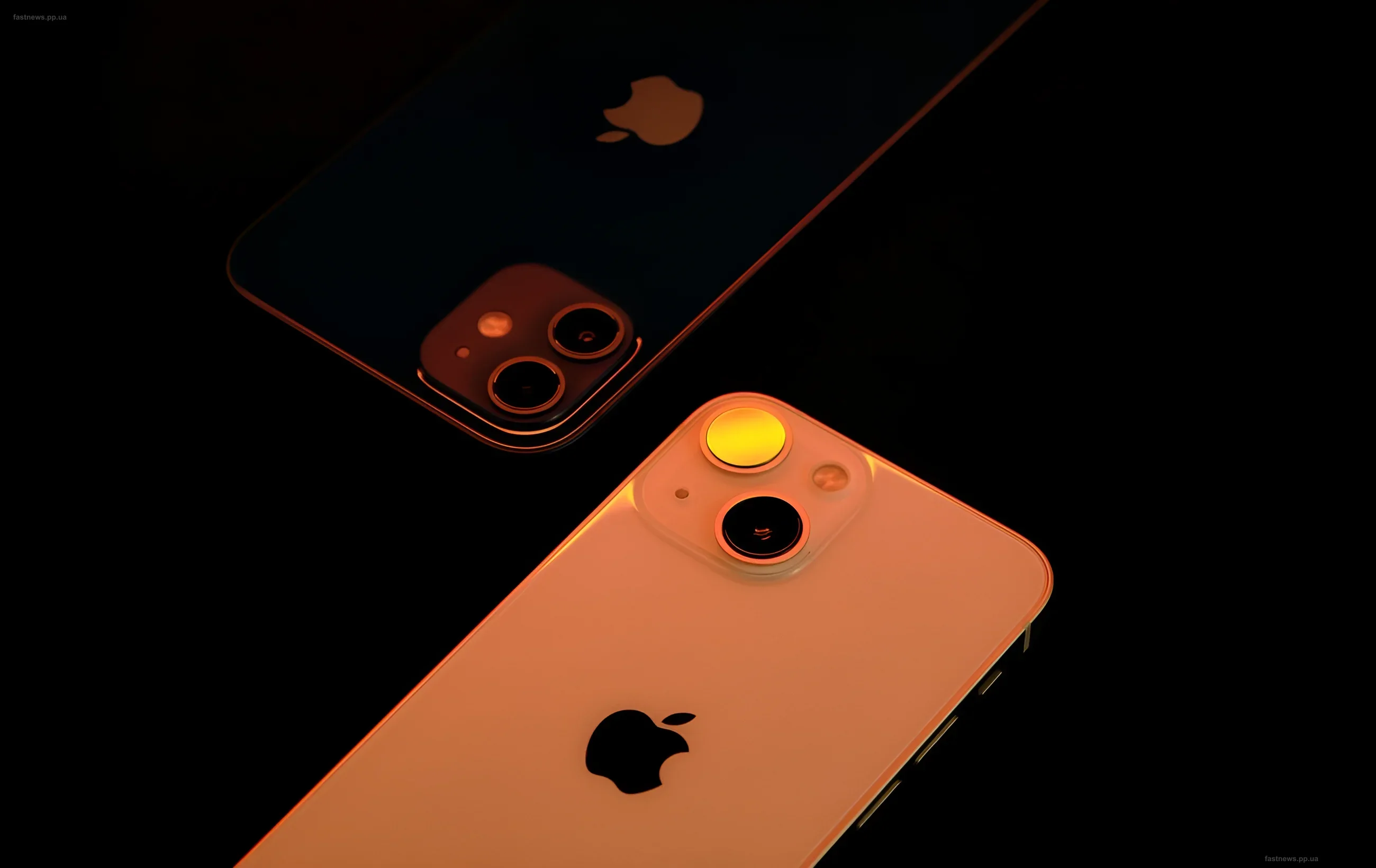
The era of bulky plastic "domes" for underwater photography on iPhone may be coming to an end. Apple engineers have registered a new patent that offers an elegant solution to one of the oldest problems in mobile photography: how to take a quality photo underwater without turning the smartphone into a torpedo.
Traditional accessories for underwater photography, known as dome ports, have always had a critical flaw. They were inconvenient, bulky, and, most importantly, often became the cause of optical distortions themselves, making photos blurry or unnatural.
Unified Optics Instead of Separate Lenses
In a document titled "Plurality Of Optical Centers In A Unified Free Form, Hemispherical Optic," Apple proposes a radically new approach. Instead of putting separate protective caps on each lens, the company suggests using a single continuous protective layer.
This element will function as an external lens for all the smartphone's cameras simultaneously. Such a design allows for the creation of an ultra-thin protection system that will easily fit into a standard case without adding extra bulk to the device.
Perfect Sealing and No Seams
The key advantage of the new development is the monolithic nature of the structure. The protective element will be made from a single piece of material. This completely eliminates the use of glue, seams, and connecting elements, which usually become the weak link in waterproofing and the cause of image defects.
Shape versatility is another feature of the patent. If the cameras are located on a flat surface, the protection will be flat. If the module has a curve, the single glass will accurately replicate this geometry, ensuring a perfect fit and no air pockets.
Who is behind the idea?
The authors of the patent are listed as Ryan M. Sheridan and Benjamin D. Buckner. The latter is known in the industry as a specialist who worked on eliminating the "fisheye" effect in Apple's optical systems. Given his experience, the new development promises not just to protect the camera from moisture but also to maintain the highest image quality, free from chromatic aberrations.
Most likely, we will not see this technology integrated directly into the body of mass-produced iPhones due to manufacturing complexity. However, it is perfectly suited for creating branded thin cases that will turn any iPhone into a professional underwater camera without the need to buy specialized cases.


