
Iran has reacted with satisfaction to the outcome of the US midterm elections held on November 3, 2026, but behind public statements supporting the "anti-war sentiments" of American voters lies deep anxiety: the country's leadership fears that President Donald Trump might try to compensate for his political defeat with a military strike against Iran. According to Reuters, two high-ranking Iranian sources reported this, emphasizing that Tehran does not consider the threat of resumed hostilities to be removed.
"Americans Said 'NO TO WAR'"
Iranian Parliament Speaker and chief negotiator Mohammad Bagher Ghalibaf posted on social media X, calling the election results "a reflection of the American attitude toward war." "Conscience or the cost of living — Americans said 'NO TO WAR,' and we support this message," he wrote, adding that Washington must not ignore the sentiments of its own citizens if it considers the possibility of new attacks on Iran. Ghalibaf thus effectively highlighted the internal political vulnerability of the Trump administration and attempted to draw a red line for potential future strikes.
Khamenei: US Hegemony Nearing Its End
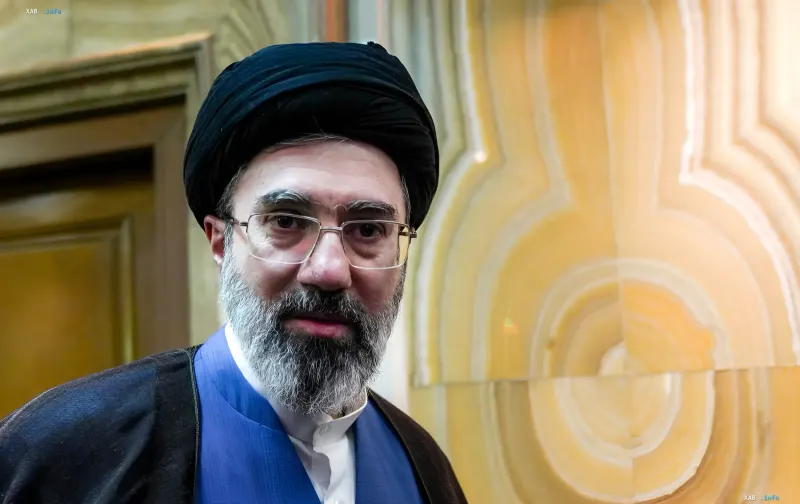
Iran's Supreme Leader Mojtaba Khamenei took a firmer and more strategic stance. He stated that the US attitude toward Iran will not change regardless of which party is in power in Washington, and warned against any concessions to the American side. "The US considers the end of its hegemony distant; we see it as close," Khamenei emphasized, signaling that the change of majority in Congress will not open any room for diplomatic maneuvers for Tehran. His words can be seen as a warning: Iran will not use the electoral shift in the US as a pretext for unilateral concessions.
Combat Readiness and Fear of "Military Compensation"
Despite public satisfaction with the voting results, Tehran maintains heightened combat readiness. According to Reuters, two high-ranking Iranian sources confirmed that the country's leadership is considering a scenario in which Trump, seeking to regain electoral support in the face of defeat in the midterms, might launch a new military strike against Iran. This scenario, according to Iranian analysts, is especially likely in the coming weeks while a new power configuration forms in Congress and before the administration determines its further strategy regarding Tehran.
Why Democrats Won: Gas and War
In the November 3 midterm elections, Democrats won majorities in both the Senate and the House of Representatives. Notably, their victories were recorded even in states that traditionally supported Republicans, which, according to observers, indicates deep dissatisfaction among some American voters with Trump's economic policy and his decision to start a war. The conflict with Iran, in particular, led to a noticeable rise in gasoline prices, which hit voters' wallets in swing states. Donald Trump himself publicly acknowledged that the US-Israeli war against Iran could have affected the voting results and the Republicans' failure.
Mediators Accelerate Work
Against the backdrop of mutual fears in Tehran and Washington, mediating countries have intensified efforts to end the war. According to sources, the parties fear that after the US elections, hostilities could resume with new intensity: Republicans in Congress have lost a leverage of restraint, and the Trump administration, from the Iranian perspective, may try to "close" the military operation by the end of the year so as not to leave it as a "legacy" for the next political cycle. The diplomatic track thus remains the only channel capable of preventing escalation in the coming weeks.


