
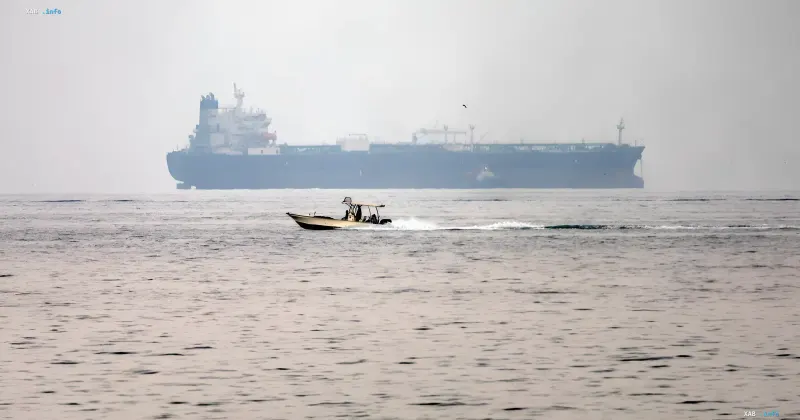
On Saturday, November 14, 2026, Iran's Islamic Revolutionary Guard Corps (IRGC) claimed it shot down an American MQ-1 Predator reconnaissance drone for the second consecutive day. According to the Iranian military, this marks the 17th downed MQ-1, although independent verification of this figure is impossible. The drone, according to the IRGC, was shot down over Qeshm Island on the northern coast of the Strait of Hormuz; the strike was again attributed to the new air defense system that Iran also announced on Friday. Simultaneously, the Iranian military reported that three oil tankers hit mines and caught fire in the Strait of Hormuz.
US Drone Losses: Congressional Data
The US is indeed losing drones in the war with Iran, though the exact number of downed aircraft remains classified. According to a congressional report dated October 5, 45 MQ-9 Reaper drones had been lost by mid-August, and at least three Predators had been destroyed previously. In total, by early October, at least 81 manned or unmanned aerial vehicles had been lost in the conflict with Iran, according to the same report. As of August 1, the value of these losses was estimated between $1.9 billion and $3.3 billion.
Three Tankers Hit by Mines: Iranian Agency Statements
In a statement broadcast by Iranian state television on Saturday morning, the IRGC reported that two oil tankers—which had turned off their radar and positioning systems and were "secretly attempting" to traverse the strait via an unauthorized route—exploded and caught fire after striking a naval mine in the southern part of the waters; one of them, according to the Guards, was a supertanker. A separate statement from the Iranian conventional navy reported a third tanker traveling "through an unsafe and prohibited zone east of the strait" with tracking and identification systems disabled, which caught fire and stopped after striking a mine. Neither statement named the vessels or their country of origin.
Blockade and Minefield: Diverging Positions
Since February, when the war with the US began, Tehran has demanded that vessels obtain its permission to pass through the strait and has attacked ships failing to comply with these rules. In response to Iran effectively blocking a strategic trade route, the US has imposed a naval blockade on Iranian ports and is providing military support to tankers using the waterway. The US military maintains that the main routes through the strait have been cleared of mines, whereas Iranian forces have regularly reported fires and explosions on ships in recent weeks, attributing them to mine strikes; on Friday, the IRGC published footage of smoke rising from a liquefied gas carrier that allegedly hit a mine in the southern part of the strait.
Yemen and Humanitarian Consequences
Amid developments in the strait, UN Deputy Spokesperson Farhan Hak stated on Friday that civilians across Yemen are increasingly suffering from drones, missiles, airstrikes, and shelling in homes, markets, and other areas previously considered safe. According to the Houthis, in one of the deadliest strikes since the resumption of fighting between the Iran-backed Houthis and Saudi-backed government forces on November 6, an airstrike on a market in Taiz province killed at least 30 people. Hak emphasized that under international law, all parties are obligated to take "all feasible precautions" to prevent and minimize civilian casualties.
Oil Market Reaction
Oil prices fluctuated on Friday following US President Donald Trump's statement that Washington "does not need a deal with Iran" even as the Middle East conflict continues. The global benchmark, Brent crude, spiked early in the day before declining and remained virtually unchanged by 2:00 PM at $95.89 per barrel.


