
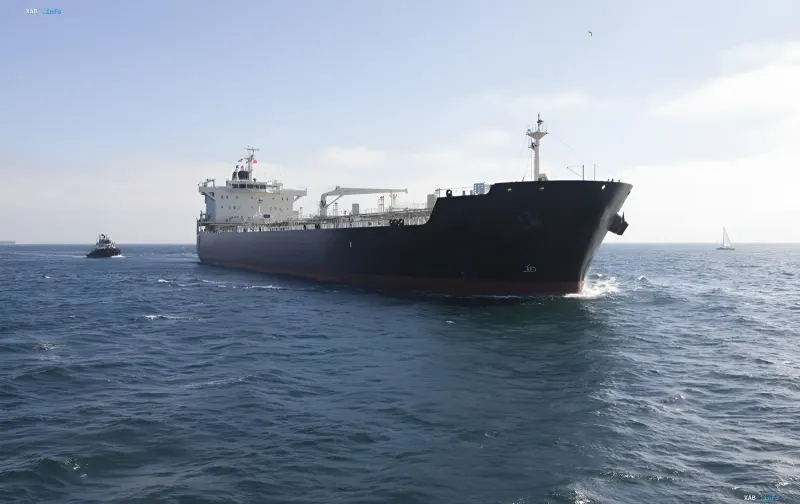
On the night of July 12, the situation in a key node of global trade — the Strait of Hormuz — reached a critical point. The Islamic Revolutionary Guard Corps (IRGC) of Iran officially announced the complete closure of this waterway to shipping. The reason for this unprecedented step was an incident involving a vessel that refused to comply with Iranian demands.
Incident with the vessel and route violation
According to the IRGC Navy, a group of vessels attempted to pass through the strait using an unauthorized route. Despite warnings to change course, the crews ignored the demands of Iranian authorities. As a result of the actions of one of the vessels, which Tehran claims endangered maritime safety and turned off its systems, decisive measures were taken. The vessel was struck and neutralized.
Total blockade until "cessation of US interference"
Immediately after the incident, Iran declared the closure of the Strait of Hormuz until further notice. In an IRGC statement, the condition for lifting restrictions was clearly outlined: the strait will remain closed until the interference of the United States ceases. "No vessel will be allowed to pass through it," the Iranian armed forces emphasized.
Threat of strikes on US bases
Tehran also expressed serious concern regarding a possible reaction from the West. The IRGC warned that if the adversary, allegedly having provoked the incident itself, decides to commit a new act of aggression, a harsh response will follow. Specifically, the Iranian side identified US bases in the region as potential targets for strikes. This statement resonates against the backdrop of growing tension in the Persian Gulf.


