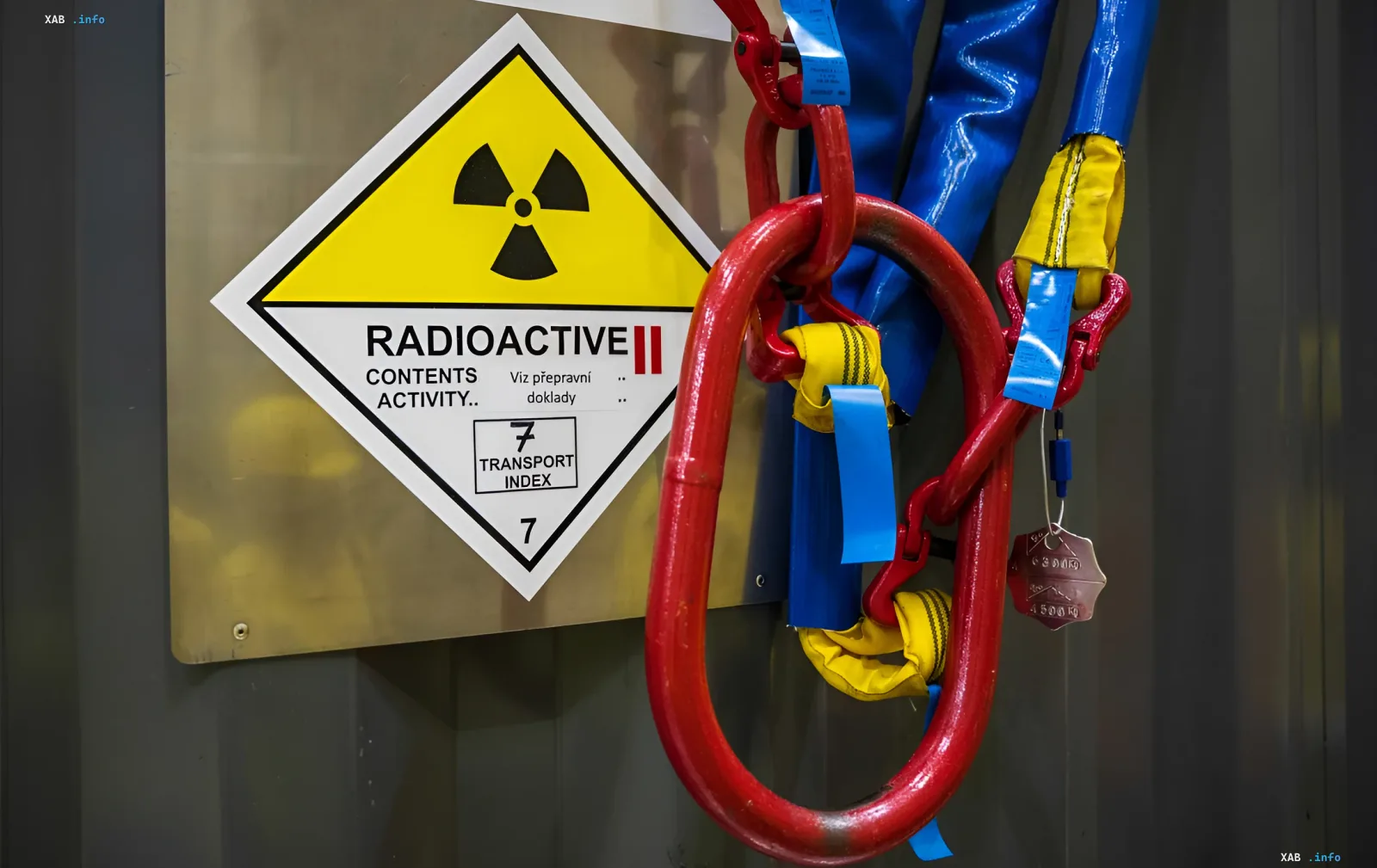
The situation surrounding Iran's nuclear program has sharply escalated. In recent weeks, Tehran has taken unprecedented measures to protect its stockpiles of highly enriched uranium. According to sources familiar with US intelligence, access to approximately half a ton of strategic material has become significantly more complex and dangerous than it was a month ago.
Iranian specialists have collapsed the tunnels leading to the storage facilities and mined the entrances. Now, even for the Iranians themselves, extracting the uranium will require large-scale demining operations and the use of heavy earth-moving equipment.
Disruption of Plans and New Threats
These actions create serious obstacles to the implementation of the agreement being prepared by the Donald Trump administration. According to the plan, Iran is to transfer enriched uranium to the United States. The material was intended to be destroyed on-site and then removed from the country.
However, the new fortifications make fulfilling these conditions extremely difficult. A logical question arises: who will now undertake the dangerous task of extracting uranium from under the rubble and minefields?
Scott Roker, who headed the Nuclear Materials Removal Office of the US National Nuclear Security Administration from 2017 to 2021, commented on the situation: "If this report is true, it will certainly complicate the removal of highly enriched uranium".
Risk of Loss of Control
Experts fear that if negotiators demand that Iran deliver all uranium to a single location for removal, Tehran may claim that part of the material is no longer recoverable. This would create a vacuum of trust between the parties.
"We would not have full confidence that Iran could not retain access to it in the future," Roker noted.
The international community believes that the bulk of the stockpiles are located in the collapsed tunnels of the Isfahan nuclear complex in central Iran, although some material may also be stored at other facilities.
Preconditions for Conflict
Tensions have been building gradually. In mid-May, US military forces were already preparing an operation to seize the material but deemed it too risky. Since then, Iran, anticipating possible US actions, has further fortified potential uranium storage sites. Earlier, US President Donald Trump publicly hinted that he might order troops to seize this material.
The situation is exacerbated by contradictory statements. Officials from the US and Iran provide different versions of the preliminary agreement. The draft agreement leaked to a semi-official Iranian agency on Friday, prompting an angry reaction from Trump on social media.
At the same time, Washington continues to discuss the conditions under which Iran could have its frozen funds returned. The discussion involves a phased approach: easing sanctions pressure in exchange for specific steps by Tehran. Previously, a scenario was discussed where a temporary agreement would be concluded first, and only then would the nuclear program issue be addressed, giving the parties time to prepare more complex arrangements.


