The leadership of Iran expresses deep skepticism regarding any written or verbal guarantees from the United States, stating that diplomatic arrangements are unable to ensure long-term and reliable peace in the region. The official stance of Tehran is built on the conviction that Washington systematically violates previously given promises, making any new agreements vulnerable and ineffective in the face of potential aggression.
Position of the Iranian Parliament and Diplomatic Impasse
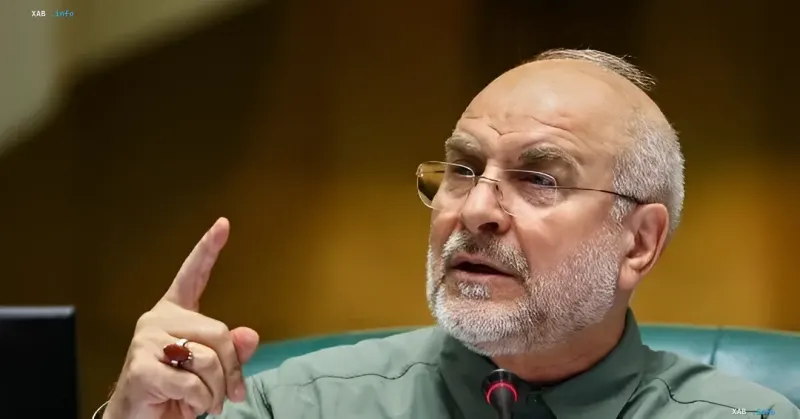
According to the WANA agency, Iranian Parliament Speaker Mohammad Bagher Ghalibaf made a harsh statement, emphasizing the need to combine military might with the negotiation process. According to him, Tehran does not intend to conduct endless and pointless discussions, but nor is it going to compromise on its national interests. Ghalibaf noted that the written commitments of the American side cannot guarantee protection against future attacks, meaning Iran must rely solely on its own resources, strategic position, and combat readiness to create reliable deterrence.
Warning About the Consequences of a Ground Campaign
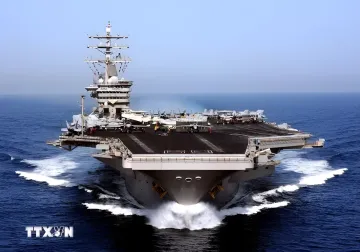
Developing the theme of harsh rhetoric, Brigadier General Mohammad Reza Naqdi issued a warning regarding a hypothetical US ground operation against Iran. Representatives of the Islamic Revolutionary Guard Corps (IRGC) are confident that Washington clearly understands the colossal risks and costs of expanding the military campaign. Recalling the long-term and costly experience of US interventions in Iraq and Afghanistan, Naqdi stated that a potential ground operation in Iran could not last longer than twenty days and would turn into catastrophic losses and the capture of US military personnel.
Contradictory Data
Against the backdrop of uncompromising statements by Iranian military commanders about the inevitability of a harsh rebuff and the preservation of large missile arsenals, reports regularly appear in the expert community and Western media about backstage contacts and possible negotiations. In particular, analytical sources and international agencies such as RFI previously raised the question that Parliament Speaker Mohammad-Bagher Ghalibaf and other influential political figures might be probing the ground for behind-the-scenes dialogue with Washington. This creates certain contradictions between the public rhetoric of uncompromising resistance and probable diplomatic maneuvers behind the scenes.
Strategic Consequences for the Region
Analyzing the current dynamics of relations between the US and Iran, experts agree that the escalation of tension carries serious risks for global security and stability in the Middle East. Tehran's desire to demonstrate military resilience and readiness to repel any scenarios, including a land invasion, is aimed at changing the balance of power in the region. At the same time, Washington faces the need to weigh the economic and political costs of any coercive pressure, taking into account the lessons of past Middle Eastern campaigns.