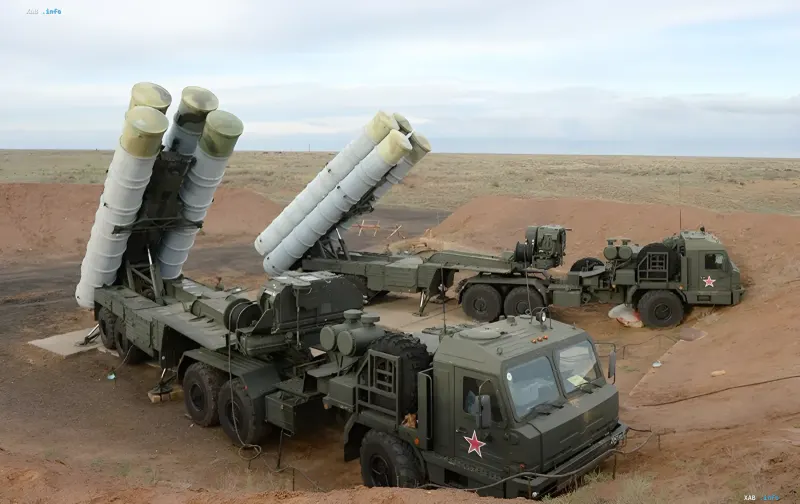
On November 5, Russian President Vladimir Putin met in the Kremlin with Mohsen Rezaei, Secretary of Iran's Supreme National Security Council, who delivered a letter from Iran's Supreme Leader Mojtaba Khamenei. According to The Telegraph, the message contained a request for the supply of S-400 anti-aircraft missile systems, which Tehran has been requesting for years. The visit followed a preliminary telephone conversation between the two leaders and became one of the most high-profile diplomatic contacts in the Middle East in recent months.
Khamenei's Letter and Rezaei's Visit to Moscow
As reported by The Telegraph citing an Iranian official, Mohsen Rezaei delivered the message from Iran's Supreme Leader directly in the Kremlin on November 5. A Kremlin spokesperson confirmed the visit and the delivery of the letter, but the Russian leadership's statement emphasized the development of bilateral relations and the situation in the Persian Gulf and the Middle East as a whole. Meanwhile, Rezaei did not publicly state that the letter's text contained a specific request for air defense systems. According to the publication, Iranian officials claim that Moscow is discussing the delivery of the long-requested systems, and Tehran hopes Putin will finally approve the deal.
Iran's Air Defense Following US and Israeli Strikes
The key motive behind the Iranian request is the restoration of air defense, which, according to The Telegraph, was significantly undermined as a result of US and Israeli strikes. Tehran views the S-400 as a priority means to fill gaps in its air defense system. Military analysts cited by the publication point out that Russia's war in Ukraine has also exacerbated the shortage of Russian air defense reserves, which could complicate or delay any potential supplies. Thus, even with Moscow's political consent to the deal, logistical and production constraints remain a serious factor.
Moscow's Long Delays and Regional Cautions
According to The Telegraph, Moscow has repeatedly postponed concluding a contract for the supply of S-400s to Iran, citing concerns over the stance of Israel and other regional states. These considerations are likely related to Russia's reluctance to exacerbate relations with Tel Aviv and other players in the Middle East. Nevertheless, the very fact of Tehran's renewed appeal through the Supreme Leader's channel indicates that Iran views the acquisition of the S-400 as a strategic rather than tactical task. Neither government — neither Moscow nor Tehran — has announced the achievement of an agreement, and supplies remain far from guaranteed, the publication notes.
Impact on Washington's Rhetoric and Debate in the Trump Administration
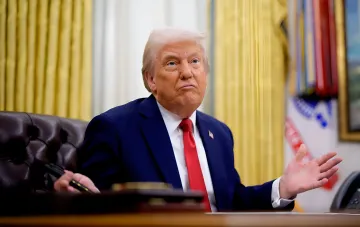
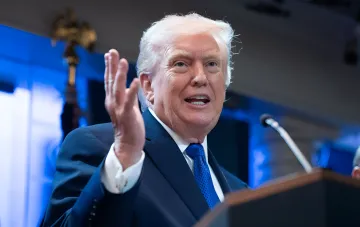
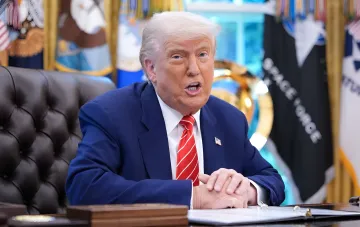
Rezaei's visit to the Kremlin, assessed by The Telegraph, calls into question US President Donald Trump's assertion that Moscow is not providing assistance to Iran. On the same day, November 5, Trump met with top national security advisors for the first time since the congressional elections to discuss further plans regarding the Iranian track. Within the administration, according to the publication, disagreements have intensified: some advisors urge resuming strikes while striving for peace before the 2028 presidential election, whereas others recommend acknowledging losses and winding down the operation. Ahead of the meeting, Trump told journalists that he «does not want to destroy the rest of Iran,» but did not rule out that he might find himself forced to do so.
What This Means for Regional Security
The situation surrounding the potential supply of S-400s to Iran lies at the intersection of several strategic lines: Russian-Iranian rapprochement, US policy in the Middle East, and Moscow's internal constraints associated with waging the war in Ukraine. While neither side has confirmed the conclusion of a contract, and the Iranian request remains at the level of a diplomatic message, the real prospects for supplies depend on numerous variables — from the production capacities of the Russian defense complex to the political will of the Kremlin. For the regional security architecture, any shift on this issue will have significant consequences, as the S-400 is capable of substantially altering the balance of power in the airspace of the Persian Gulf.