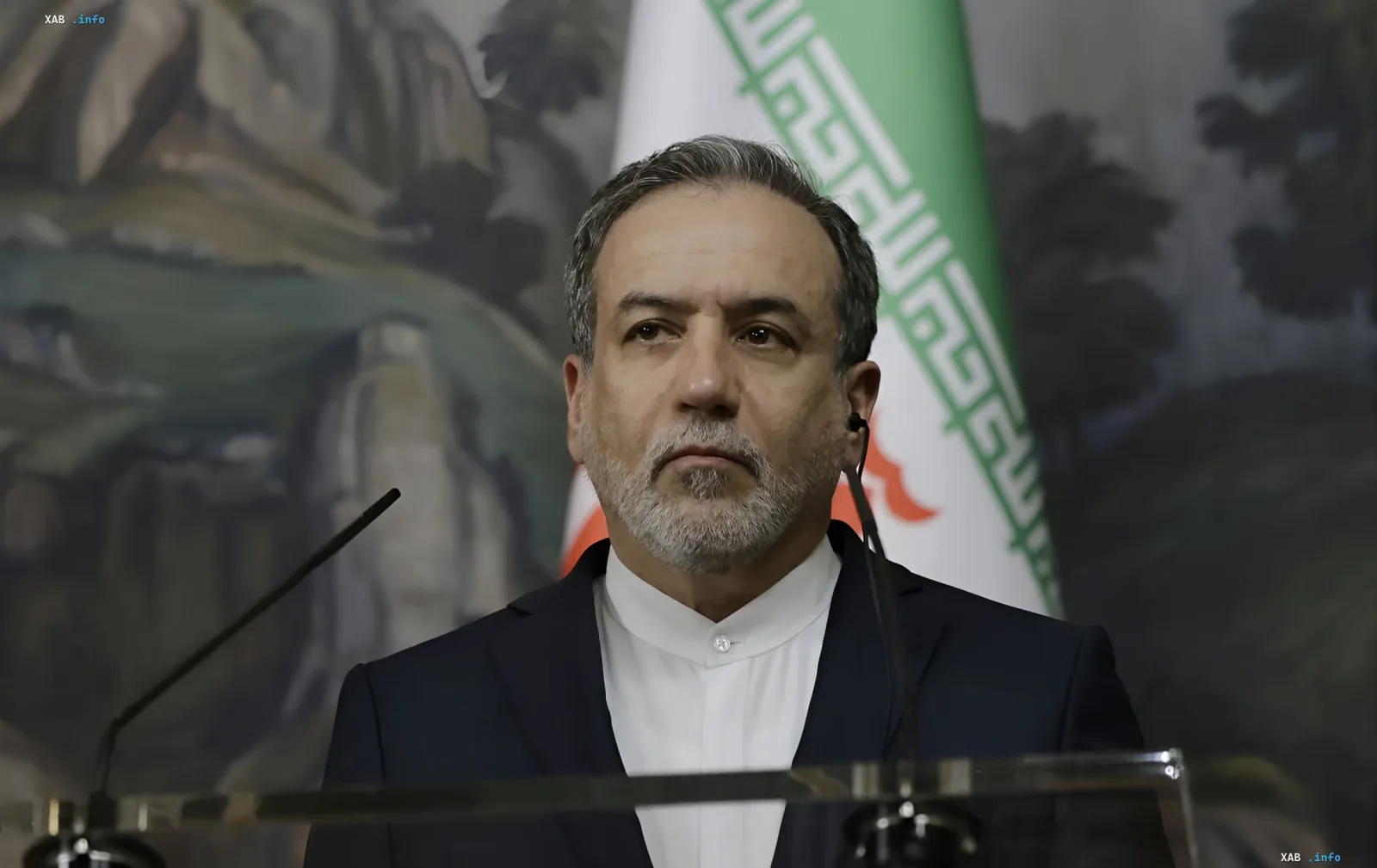
Iran has officially announced the suspension of nuclear negotiations with the United States until Washington fulfills all conditions of the interim deal. Tehran has also reaffirmed its exclusive sovereignty over the strategically vital Strait of Hormuz, emphasizing that the management of this waterway will not revert to its pre-war status.
Conditions for Resuming Dialogue
Iranian Foreign Minister Abbas Araqchi clearly outlined his country's position: discussions regarding the nuclear program are possible only after the implementation of the interim agreement. According to the diplomat, the text of the memorandum may still be adjusted as parties continue to coordinate details. However, Iran insists on preliminary agreements before any discussion of nuclear status.
Control over the Strait of Hormuz
The Iranian Foreign Minister emphasized that the management of the Strait of Hormuz is now under the full control of Tehran and Oman. In his view, this decision is irreversible and reflects a new geopolitical reality in the region.
Iran as the Victor of the Conflict
Abbas Araqchi described his country as the primary beneficiary of the confrontation with the US. "Iran is the victor in the war with the US," he stated, expressing confidence in the conflict's positive outcome for Tehran.
International Reactions
Pakistani Prime Minister Shehbaz Sharif reported that the US and Iran have already agreed on the text of a peace agreement and that the end of the war is near. However, US Treasury Secretary Scott Bessent warned that Iran could lose its frozen assets if it fails to meet certain conditions.
Future Prospects
The situation remains tense, and further steps depend on the willingness of the parties to compromise. Iran continues to insist on the fulfillment of its demands, while the US assesses the potential consequences of abandoning negotiations.


