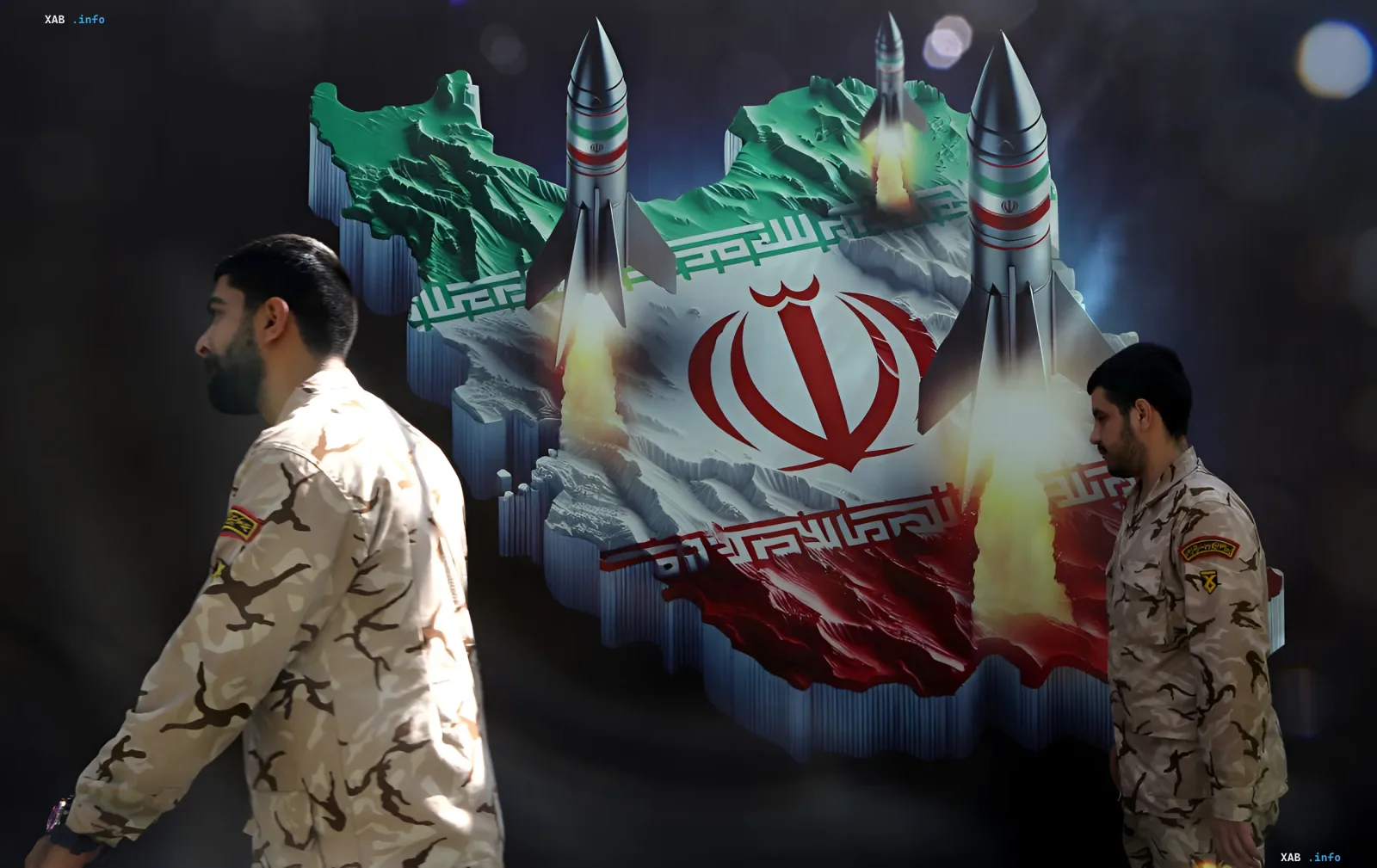
Tehran has outlined a new strategy in its relations with Washington: diplomacy and military pressure will be used in parallel. Iran's chief negotiator, Mohammad Bagher Ghalibaf, made a stern statement warning the US of its readiness to turn a naval blockade of the Strait of Hormuz into a "defeat for the enemy".
Tehran's dual strategy
Amid growing regional tensions, the Iranian side has refused to choose between peace and war. According to Ghalibaf, Tehran does not intend to limit itself to negotiations or military action alone. "We do not intend to simply fight or simply negotiate; rather, we will fight at the right time and negotiate at the right time," he emphasized.
This position demonstrates the flexibility of Iranian diplomacy, which preserves the possibility for dialogue while reserving the right to a tough response in the event of escalation. The ultimate goal, according to the official, remains the end of the war and ensuring stable security in the region, although trust in the opposing side is absent.
Economic barriers and political deadlock
Despite statements by US President Donald Trump about his intention to conclude an agreement on extending the ceasefire and resuming the operation of the Strait of Hormuz in the near future, Tehran believes the process has reached a deadlock. The key obstacle remains the issue of $24 billion in frozen Iranian assets.
Military advisor to the Supreme Leader of Iran, Mohsen Rezaei, confirmed that without resolving this issue, progress towards peace is impossible. Washington, for its part, insists on its conditions, creating an atmosphere of mutual distrust and freezing progress in negotiations.
Rising military tension
The situation in the region has sharply deteriorated against the backdrop of new clashes between Iran and Israel. Tehran launched a missile strike on Israeli territory, where two ballistic missiles were intercepted by air defense systems in the north of the country. In response, Israel carried out counter-strikes, resulting in explosions in at least three Iranian cities.
US President Donald Trump, upon learning of the events, personally contacted Benjamin Netanyahu and urged him to refrain from retaliatory actions. However, the Israeli side ignored the recommendation, leading to further escalation of the conflict. These events have only strengthened Iran's rhetoric regarding the need for military readiness.
The future of the Strait of Hormuz
The Strait of Hormuz remains a strategically important hub for world trade, and its blockade could have global consequences. Iran, which controls the northern coast of the strait, has repeatedly stated its readiness to close it in the event of a threat to its interests. Now, amid tense relations with the US, this threat sounds more realistic.
Tehran has made it clear that it does not intend to abandon the negotiation process, but it also does not intend to tolerate actions it considers a threat to its security. Thus, peace and war in the region may coexist in a single strategy, where every step will depend on the actions of the adversary.


