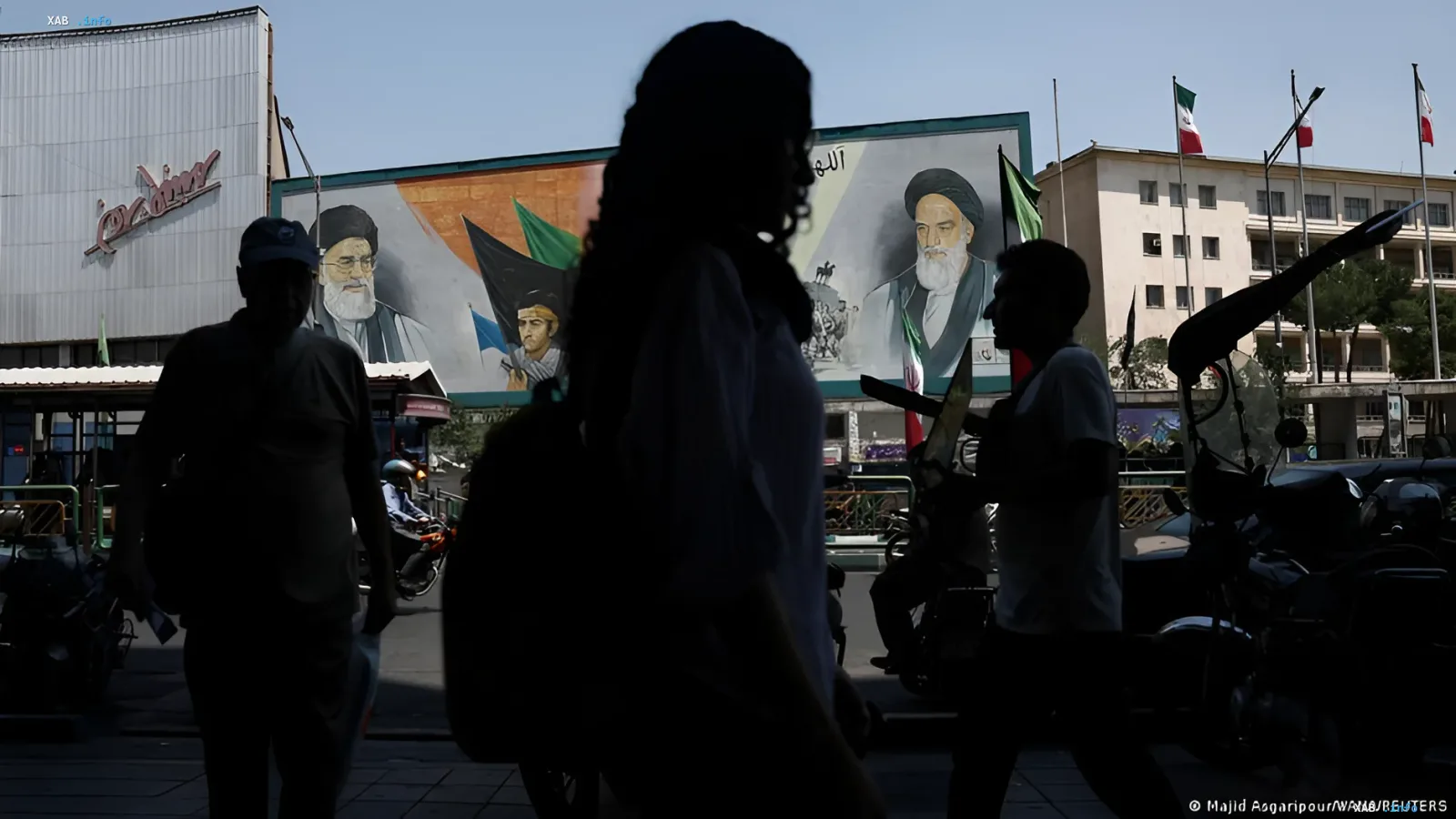
Political tension surrounding a potential peace agreement between the US and Iran reached a peak in early June. Expectations that the document would be signed on Sunday, June 14, were dispelled by an official statement from Tehran. Iranian authorities categorically refused to link the fate of the peace treaty to the personal celebrations of the American leader.
Rejection of "Media Maneuvers"
Iranian Foreign Ministry Spokesman Esmaeil Baghai officially confirmed that the joint memorandum on the start of the war settlement will not be signed on the day of Donald Trump's 80th birthday. According to the diplomat, the exact date of signing remains in question, and although the possibility of concluding an agreement in the coming days is not ruled out, Tehran is calling for caution.
"Given the instability of the opposing side, we must exercise caution in any statements regarding this process," Baghai stated. The Iranian Tasnim agency, citing a representative of the foreign ministry, noted that the document is intended to end hostilities, but the issue of the nuclear program is not included in it at this stage.
Tehran's Internal Position
The Fars agency, linked to the Islamic Revolutionary Guard Corps (IRGC), shed light on the motivation of the Iranian side. According to the source, Iranian negotiators do not intend to allow "media and ceremonial maneuvers" by the US. Signing on the US President's birthday would be perceived as a concession that Tehran is not ready to make.
A source close to the negotiating group told the agency that the final decision has not yet been made. Authorities continue to examine in detail the "political, legal, and technical aspects" of the proposals put forward. This indicates that the coordination process is in the final stage but requires careful elaboration of the details.
Negotiation Dynamics and Pakistan's Role
The situation developed rapidly. On June 11, Donald Trump announced the cancellation of planned strikes on targets in Iran, citing the success of negotiations. At the same time, he suggested that the agreement could be signed over the coming weekend. On June 12, Iranian Foreign Ministry Spokesman Baghai confirmed that the main provisions of the memorandum have been practically agreed upon.
Pakistan plays a key role in the process as a mediator. Prime Minister Shehbaz Sharif stated on the evening of June 12 that the final text of the peace agreement has been agreed upon. The next day, he clarified that final coordination is expected within 24 hours, adding: "Pakistan is preparing for the electronic signing of the peace agreement immediately after this".
What's Next?
Despite the rejection of the symbolic date, the fact of the parties' readiness for dialogue remains a fact. The memorandum, which is intended to end military hostilities, is at the stage of final legal and political review. Iranian authorities are betting on sovereignty and the absence of pressure, refusing any formats that could be interpreted as political opportunism.


