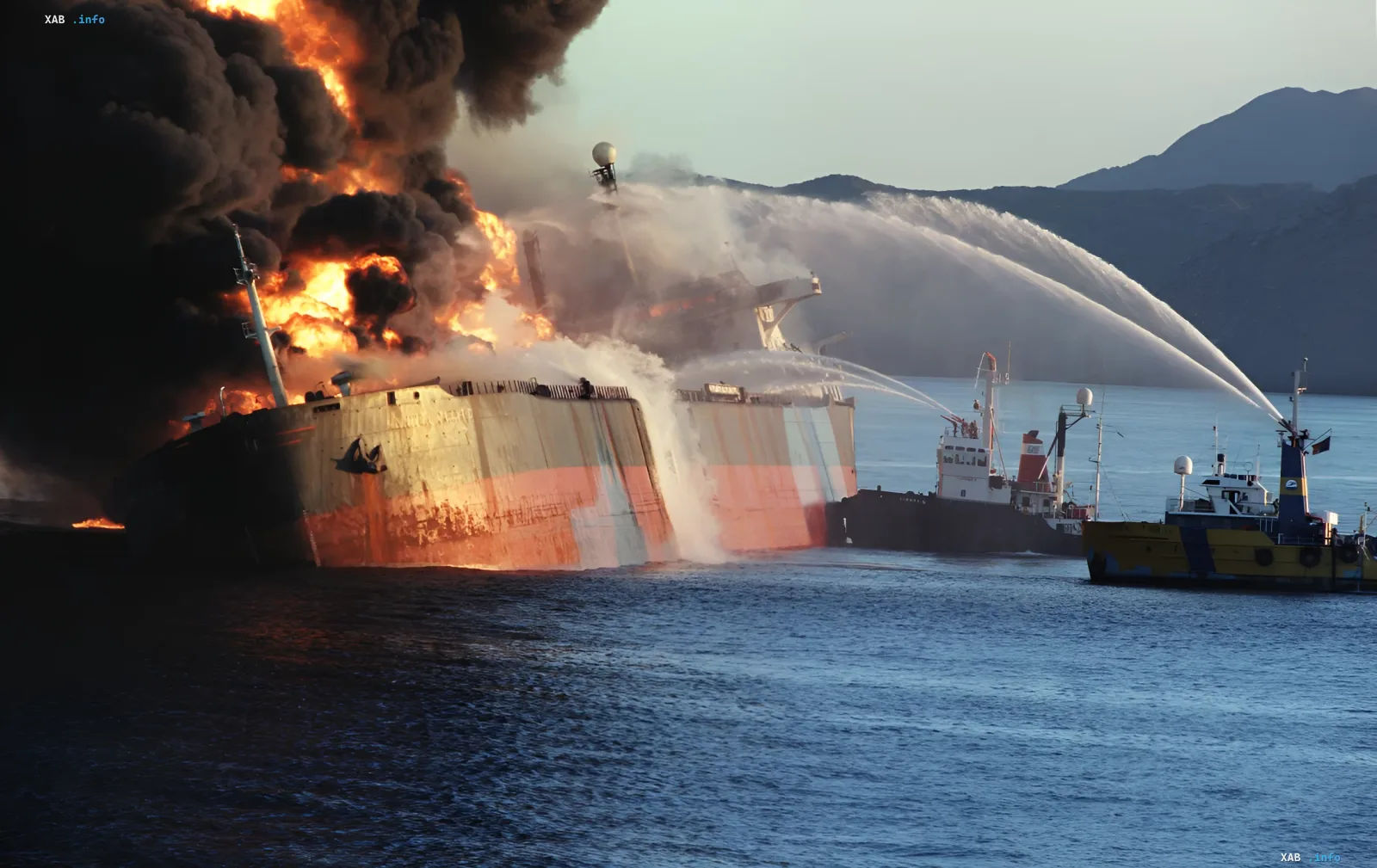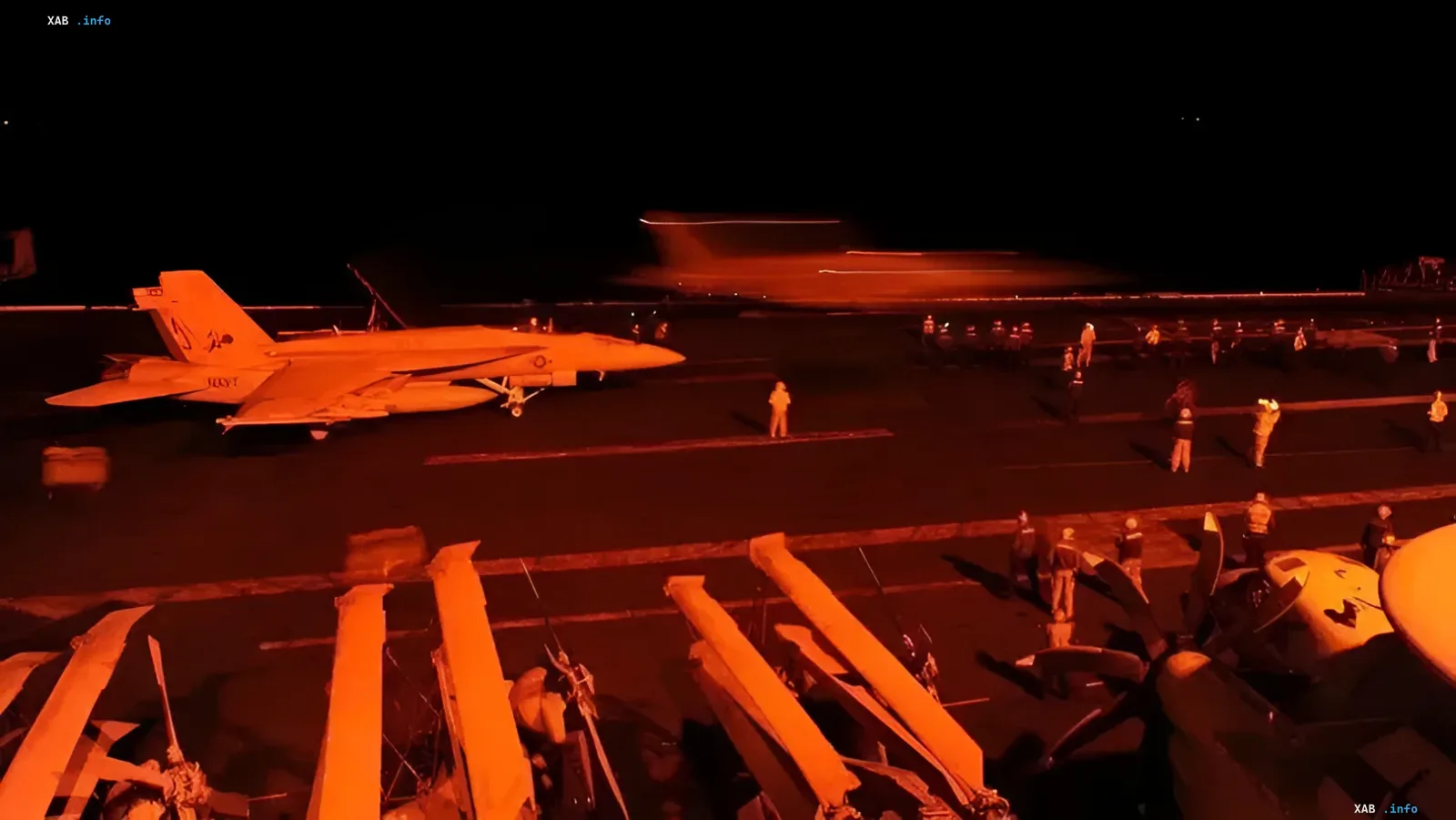
The situation in the Middle East is rapidly intensifying. The US Central Command has confirmed the completion of the seventh consecutive night during which American forces conducted attacks on targets in Iran. However, despite Washington's active operations, Tehran does not intend to limit itself to defensive maneuvers.
Ultimatum from Tehran
Mohsen Rezaei, military advisor to Iran's Supreme Leader Ali Khamenei, issued a stern warning. In an interview with the state-run IRIB channel, he stated that the policy of "fight and negotiate" has been exhausted. Rezaei outlined a clear timeframe: if the US continues the war for another 2–3 days, Iran will shift to an "offensive" phase.
According to the advisor, in the event of escalation, the Iranian armed forces will no longer be limited to retaliatory strikes. He emphasized that US bases and troops will no longer be safe, regardless of the political borders in which they are located.
Air Force Mobilization in Israel
Parallel to Iran's threats, Washington and Jerusalem are conducting large-scale logistical preparations. American and Israeli officials reported that the Donald Trump administration has informed Israel of the transfer of dozens of additional tanker aircraft. This is being done in anticipation of a possible expansion of military operations.
According to data from a correspondent for the Vietnam News Agency, approximately 30 strategic tanker aircraft are currently stationed at Ben Gurion International Airport near Tel Aviv. Another 30 are located at Ramon Airport in the south of the country. It is expected that in the coming days, the number of aircraft will be brought to a level comparable to the start of the active phase of the war.
US military officials explain the choice of bases with strategic considerations. Priority is given to operating aircraft from Ben Gurion, as other airfields in the region are considered more vulnerable to Iranian strikes and less safe for American aviation.
Trump's Plans: From Bombing to Nuclear Facilities
A meeting was held at the Situation Room on July 14, where President Trump was briefed on new military plans. Currently, the possibility of launching a large-scale offensive campaign is being considered, which would be significantly larger than the current airstrikes around the Strait of Hormuz.
Among the discussed attack options are:
- Bombing of critical Iranian infrastructure, including power plants;
- Strikes on nuclear facilities to bury stocks of enriched uranium;
- An attack on an underground facility on Mount Pikaks, which is allegedly a construction site.
A final decision has not yet been made, but sources indicate Trump's readiness for escalation. The goal of such actions is to inflict sufficient damage on the Iranian regime to force it to reopen the Strait of Hormuz and make concessions regarding the nuclear program. The order to intensify attacks could be given in the coming days.