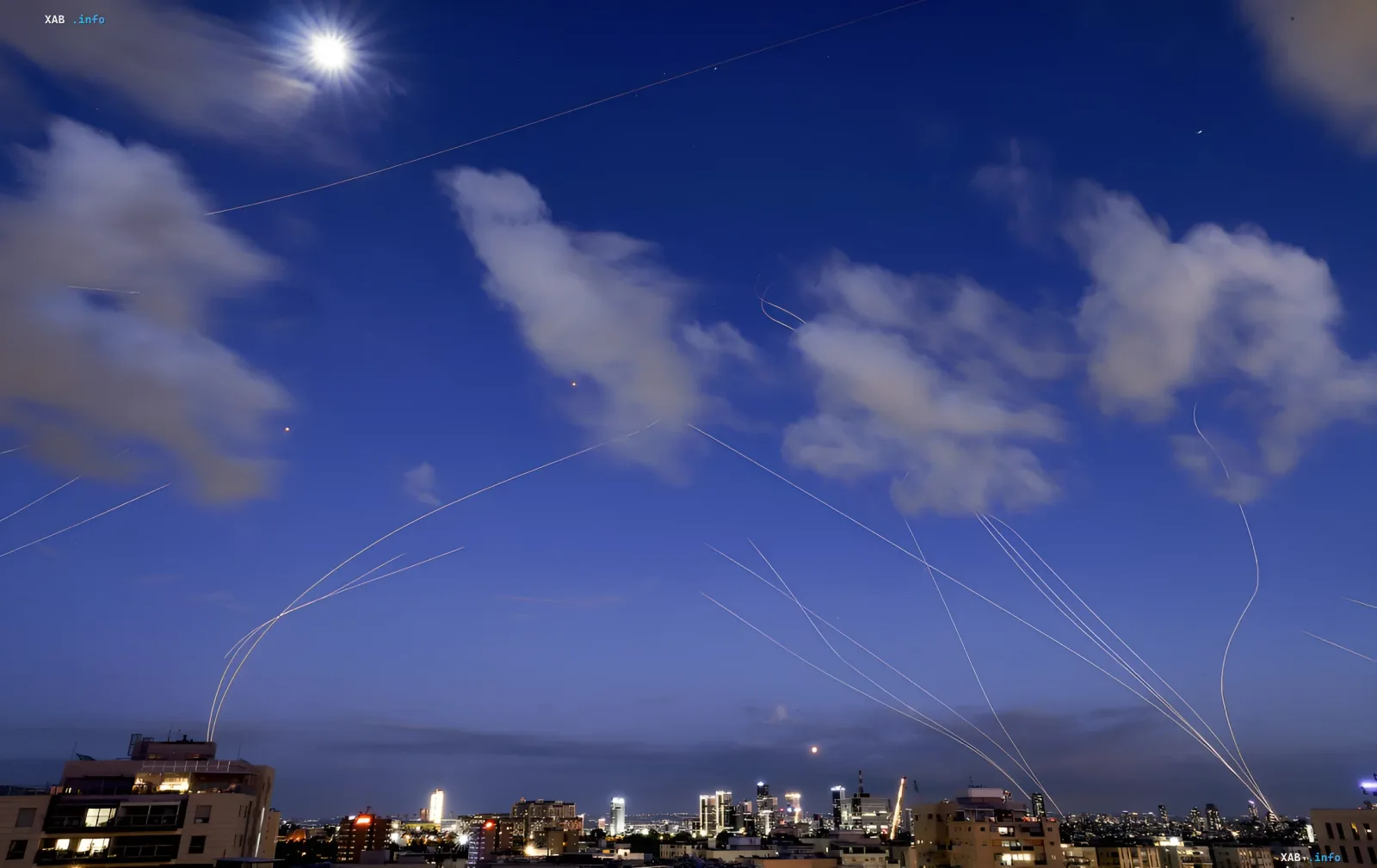
Fiery trails of ballistic rockets have once again lit up the sky over northern Israel. Iran has launched an attack on the territory of the Jewish state, violating the ceasefire that has been in effect since April 8. According to IDF data, two rockets were successfully intercepted by air defense systems. So far, there have been no reports of casualties or damage.
The End of a Two-Month Lull
This attack is the first in over two months, during which relative silence was maintained between Tehran and Jerusalem. The rocket strike, carried out on the evening of June 7, marked a sharp change in the situation in the region and put the fragile ceasefire at risk.
Israel's "Decisive Response"
Israeli authorities have taken a tough stance. High-ranking officials, speaking on Channel 12, stated that the country would "respond decisively" to the provocation. According to them, Jerusalem will not allow a "balance" where Iran can bombard Israel with impunity in response to Israeli strikes on "Hezbollah" in Beirut.
There is no official decision yet on the nature of the retaliatory measures. Prime Minister Benjamin Netanyahu and other senior officials will soon conduct a security assessment to develop an action strategy.
Iran and US Reaction
In Tehran, the attacks were explained as a necessity to protect Lebanon. The military advisor to the Supreme Leader of Iran stated that the Islamic Republic would not tolerate violations of the ceasefire and aggression against its neighbor. The Iranian side's statement said that aggressors have been warned, and any new actions will meet an "even more crushing response".
US President Donald Trump called on the parties to exercise restraint. In a comment to Fox News, he advised Iran to stop the strikes, noting that "enough rockets have been launched." Trump proposed that Tehran return to the negotiating table and reach an agreement.
Causes of Escalation
Events are unfolding against the backdrop of a tense situation in Lebanon. The day before, on June 6, Israel carried out an airstrike on the south of the country, where nine people were killed. The Israel Defense Forces confirmed the attack on a vehicle that, according to their data, was "moving suspiciously" and preparing an attack on Israeli soldiers near the village of Kfar-Tibnin.
This incident became a catalyst for the crisis: this week, Iran suspended negotiations with the US, demanding a halt to Israeli operations in the region. Earlier, Trump agreed in a phone call with Netanyahu that Israel would not deploy troops to Beirut, which was one of Tehran's key demands.


