

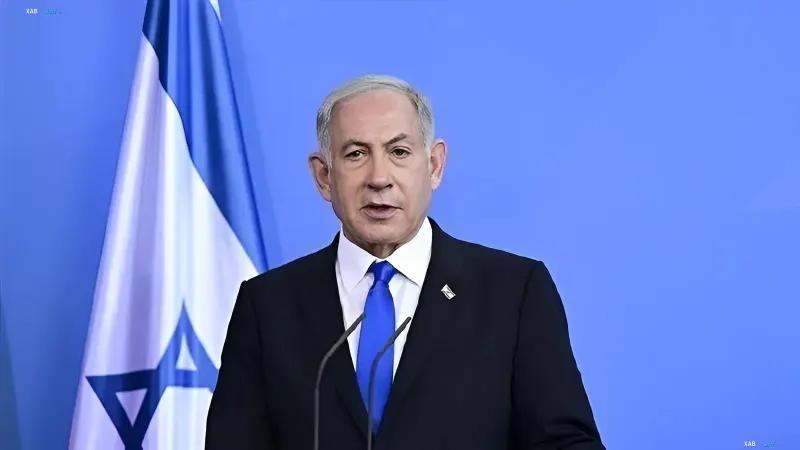
Diplomatic relations between Israel and Turkey have reached a critical point. Israeli Prime Minister Benjamin Netanyahu issued a harsh assessment of Turkish President Recep Tayyip Erdogan's rhetoric, calling it an "existential threat" to the existence of the Jewish state. The escalation of the situation, recorded in late June 2026, led to unprecedented steps by Tel Aviv, including the official recognition of the Armenian genocide.
Rhetoric as a Security Threat
In his special statement, Netanyahu emphasized that the Turkish leader's statements can no longer be perceived as ordinary political polemics. According to the Israeli Prime Minister, Erdogan's regular manifestos are effectively interpreted as calls for the destruction of the State of Israel.
Jerusalem refuses to ignore these signals. Netanyahu drew historical parallels, noting that the experience of the 20th century teaches us to treat such declarations with the utmost seriousness. "Almost daily, statements by President Erdogan are recorded that can be understood as calls to destroy Israel. This requires documentation and practical consideration in defense strategy," the head of government stated.
Economic Embargo and Conflict in Gaza
Analysts link the current wave of escalation to the long-term deterioration of contacts between the two countries. Ankara has already completely suspended trade and economic interaction with Tel Aviv, imposing an embargo on export-import operations. Turkey's official motivation is the humanitarian situation in the Gaza Strip.
Against the backdrop of these events, Netanyahu stated in May 2026 that Israeli forces had established control over more than 60% of the territory of the sector. However, despite military successes, diplomatic isolation from a strategic partner in the region is growing.
Historical Turn: Recognition of the Armenian Genocide
The culmination of the crisis was the decision of the Israeli government on June 28, 2026. The Cabinet of Ministers, led by Netanyahu, unanimously approved a resolution on the official recognition of the Armenian genocide of 1915–1916 in the Ottoman Empire.
The initiator of this step was Foreign Minister Gideon Saar, who called it the fulfillment of a "moral and historical duty." This decision radically changes Israel's foreign policy course, which for decades refrained from such statements, fearing a break in ties with Turkey and Azerbaijan.
For Ankara, the recognition of the genocide is a red line. Turkey traditionally rejects this term, acknowledging the death of Armenians but disputing the systematic nature of the extermination. Israel's entry into the number of countries that have recognized the genocide (following the US, France, Germany, and Russia) is viewed by international observers as the final dismantling of the previous security architecture in the Middle East.


