The situation on the Lebanese-Israeli front is rapidly gaining momentum, moving into a phase of critical instability. Amidst a complete deadlock in diplomatic negotiations with Iran and the Lebanese side, the Israeli leadership has decided to turn to Washington with an unprecedented request.
According to sources from The Jerusalem Post, senior Israeli officials are insisting on the need to expand the scale of military operations, including strikes on the capital of Lebanon — Beirut. Tel Aviv is counting on the support of the White House, arguing that there have been no results in contacts with the "Hezbollah" movement.
Diplomatic storm and the West's position
Israel's intentions have provoked a sharp reaction from the international community. Western allies, fearing the transformation of a local conflict into a regional war, are calling for immediate de-escalation. The British Foreign Secretary, Yvette Cooper, sternly demanded that Israel cease military operations in Lebanon.
According to Cooper, the current escalation has led to tragic consequences: the death of civilians, mass displacement of the population, and the destruction of infrastructure. London emphasizes that every new step towards violence reduces the space for diplomatic resolution.
Germany has taken a similar position. Foreign Minister Johann Wadefull expressed deep concern and called on all parties to the conflict to immediately cease hostilities to avoid further bloodshed.
Breakthrough on the ground: control over the Beaufort Ridge
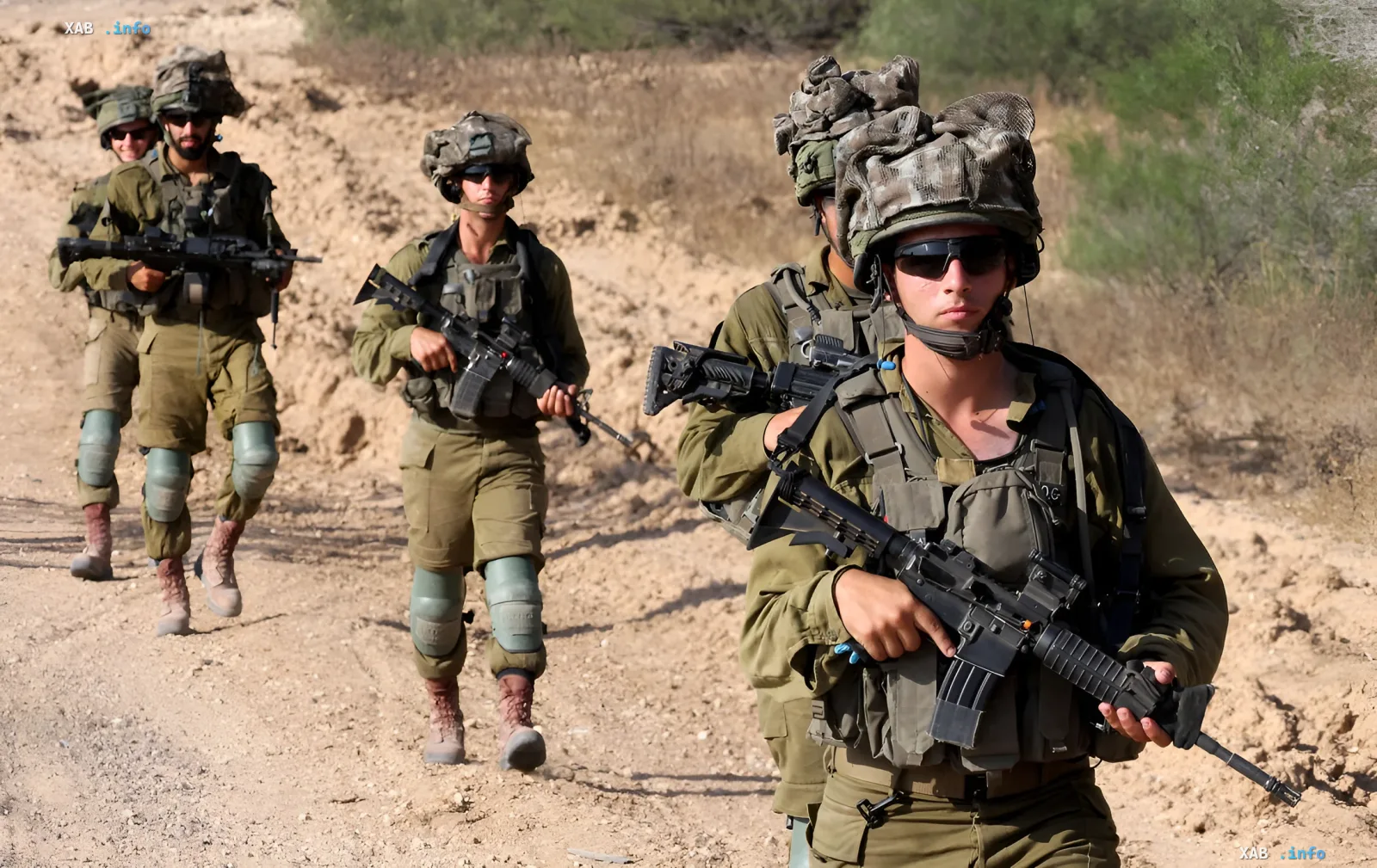
While diplomats argue about paths to peace, a large-scale military campaign is unfolding on the ground. The Israel Defense Forces (IDF) report significant successes in advancing into southern Lebanon. Yesterday, Israeli forces established full control over the strategic stronghold on the Beaufort Ridge, as well as capturing the Wadi el-Saluki areas.
This breakthrough was made possible thanks to massive preparation: before the offensive, aviation, artillery, and tank units struck key Hezbollah infrastructure targets. The front line has officially shifted to the Zaharani River, which is approximately 40 kilometers from the Israeli border. In connection with this, Tel Aviv has issued an order for the urgent evacuation of residents of southern Lebanon.
New tactics: drone warfare and attacks on the rear
The nature of hostilities is transforming. The Israeli army has begun actively creating specialized units — mini-air forces equipped with drones. These groups will play a key role in operations against "Hezbollah" deep inside Lebanon.
However, the initiative has not remained solely with the IDF. Hezbollah militants have responded by increasing their activity in the use of unmanned aerial vehicles. The group reported carrying out 12 attacks on Israeli military infrastructure in recent days. "Hezbollah" officially took responsibility for strikes on barracks in the Shomera area and a military base in the Yaara area.
These attacks have dealt a serious blow to the psychological situation in northern Israel. The weekend turned into a nightmare for vacationers at the popular Nahariya beach. People ran out of the water in panic as shells fell into the sea in close proximity to the shore. Militants are deliberately choosing targets near civilian objects, exacerbating the humanitarian situation.


